Fractured Destinies

(2018) Palestinian-Armenian Ivana eloped with a British doctor in the 1940s, in the midst of the Nakba, and emigrated to England. Over half a century later, her daughter Julie has been tasked with her dying wish: to take her ashes back to their old home in Acre. With her husband Walid, they leave London and embark on a journey back to their country of birth. Written in four parts, each as a concerto movement, Rabai al-Madhoun’s pioneering new novel explores Palestinian exile, with all its complex loyalties and identities. Broad in scope and sweeping in its history, it lays bare the tragedy of everyday Palestinian life.

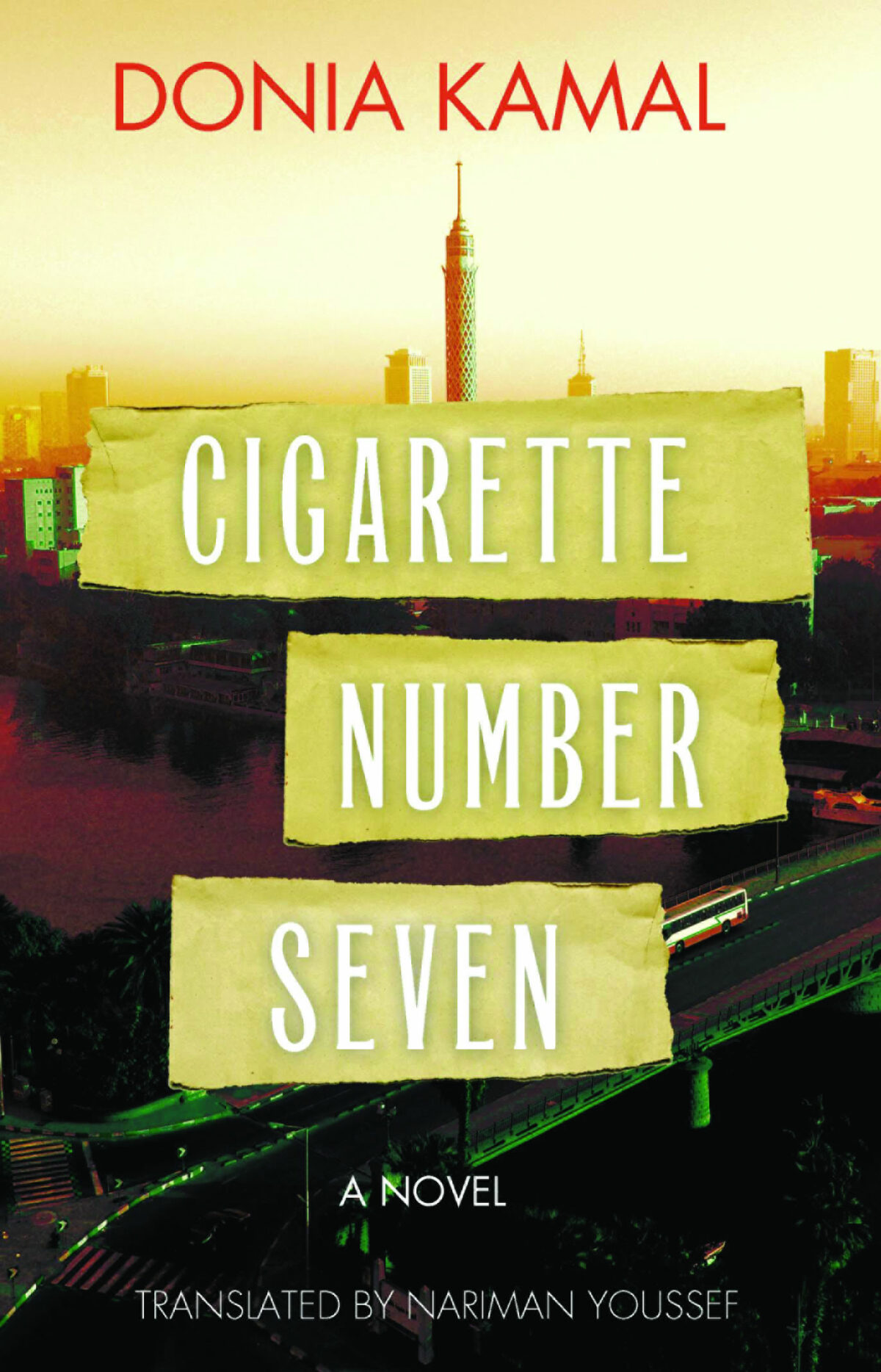
Cigarette Number Seven

(2018) A young woman’s story of family, love, and revolution in modern Cairo As a child, Nadia was left her with her grandparents in Egypt, while her mother sought work in the Gulf. Decades later, she looks back on her fragmented childhood from an uncertain present: it is 2011 and the streets have erupted in an unexpected revolution. Her activist father, the sole anchor in her life, encourages her to be a part of the protests and so Nadia joins the sit-in at Tahrir Square. Donia Kamal’s succinct, candid prose draw us into Nadia’s world: from the private to the public; from the men she has loved and lost, to her participation in the momentous events of the Egyptian revolution. Stunning in its simplicity, Cigarette Number Seven is a deeply intimate novel about family and relationships in turbulent times.

Gaza Weddings

(2017) From the author of Time of White Horses and The Lanterns of the King of Galilee Twin sisters Randa and Lamis live in the besieged Gaza Strip. Inseparable to the point that even their mother cannot tell them apart, they grow up surrounded by the random carnage that characterizes life under occupation. Randa, who wants to be a journalist, writes to record the devastation around her, taking pictures of martyred children. Meanwhile, their beloved neighbor Amna quietly converses with all those she has lost, as she plans the wedding of Lamis and her son Saleh. With their menfolk almost entirely absent, it is the women who take center stage in this poignant novel of resilience, determination, and living against the odds.

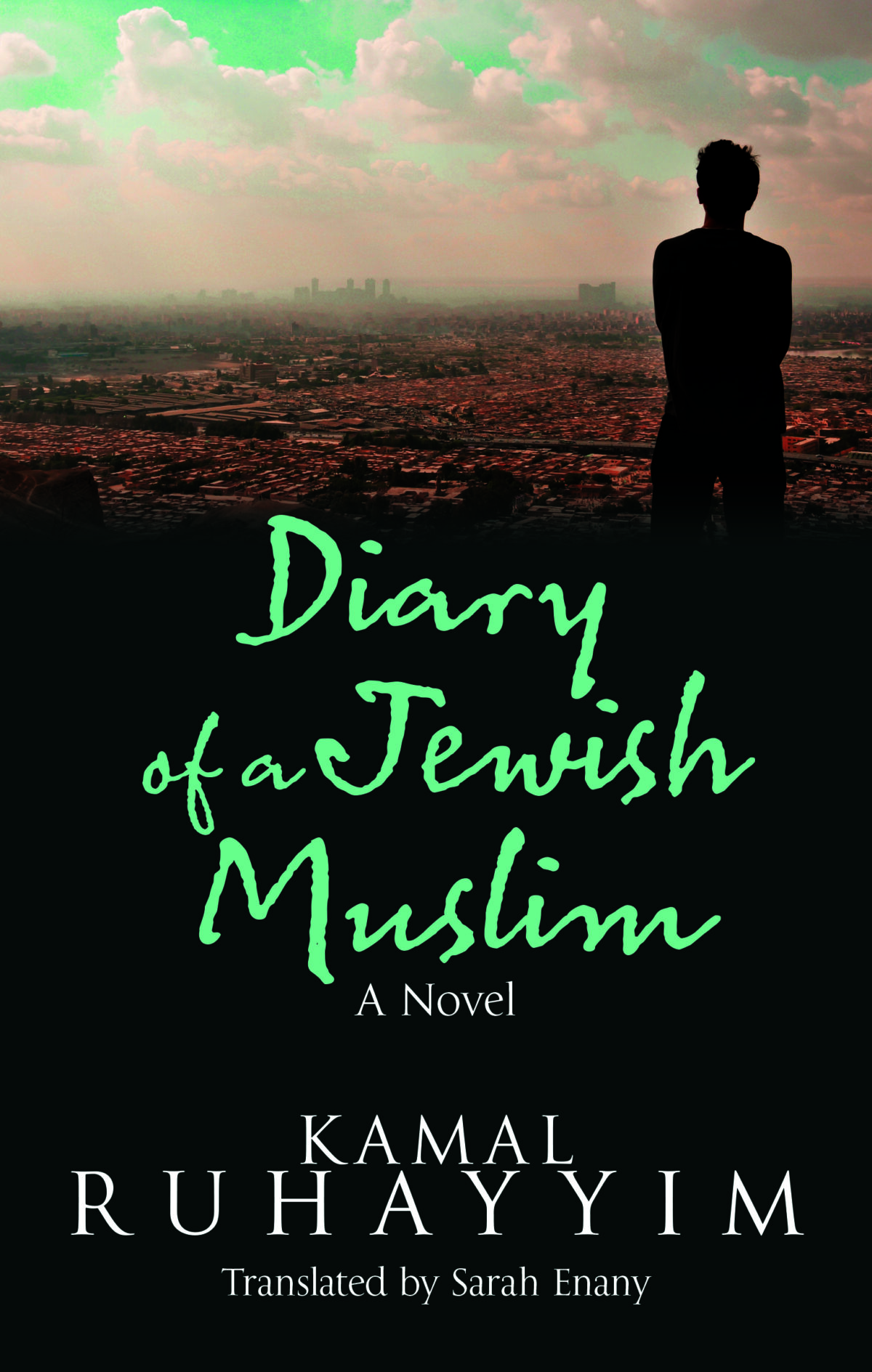
Diary of Jewish Muslim

Egyptian Muslims and Jews were not always at odds. Before the Arab-Israeli wars, before the mass exodus of Jews from Egypt after the pogroms and anti-Semitism of ’30s and ’40s, threats of death to ‘100,000 children”, and the bombings and riots aganst the Jews in 1948, there had been harmony.
Offering an intimate yet panoramic view of the easy coexistence of Muslims, Jews, and Christians in an old neighborhood of Cairo, this sweeping yet personal novel, spanning the 1930s to the 1960s, accompanies Galal, a young boy with a Jewish mother and a Muslim father, through his childhood and boyhood in the vibrant popular quarter of Daher. With his schoolboy crushes and teen rebellions, Galal is deeply Egyptian, knit tightly with his mother, father, and grandfather in old Cairo-a middle-class social fabric of manners and morals, values and traditions that cheerfully incorporates and as cheerfully transcends religion, but a fabric that is about to be torn apart by a bigger world of politics that will also put Galal’s very identity to the test.

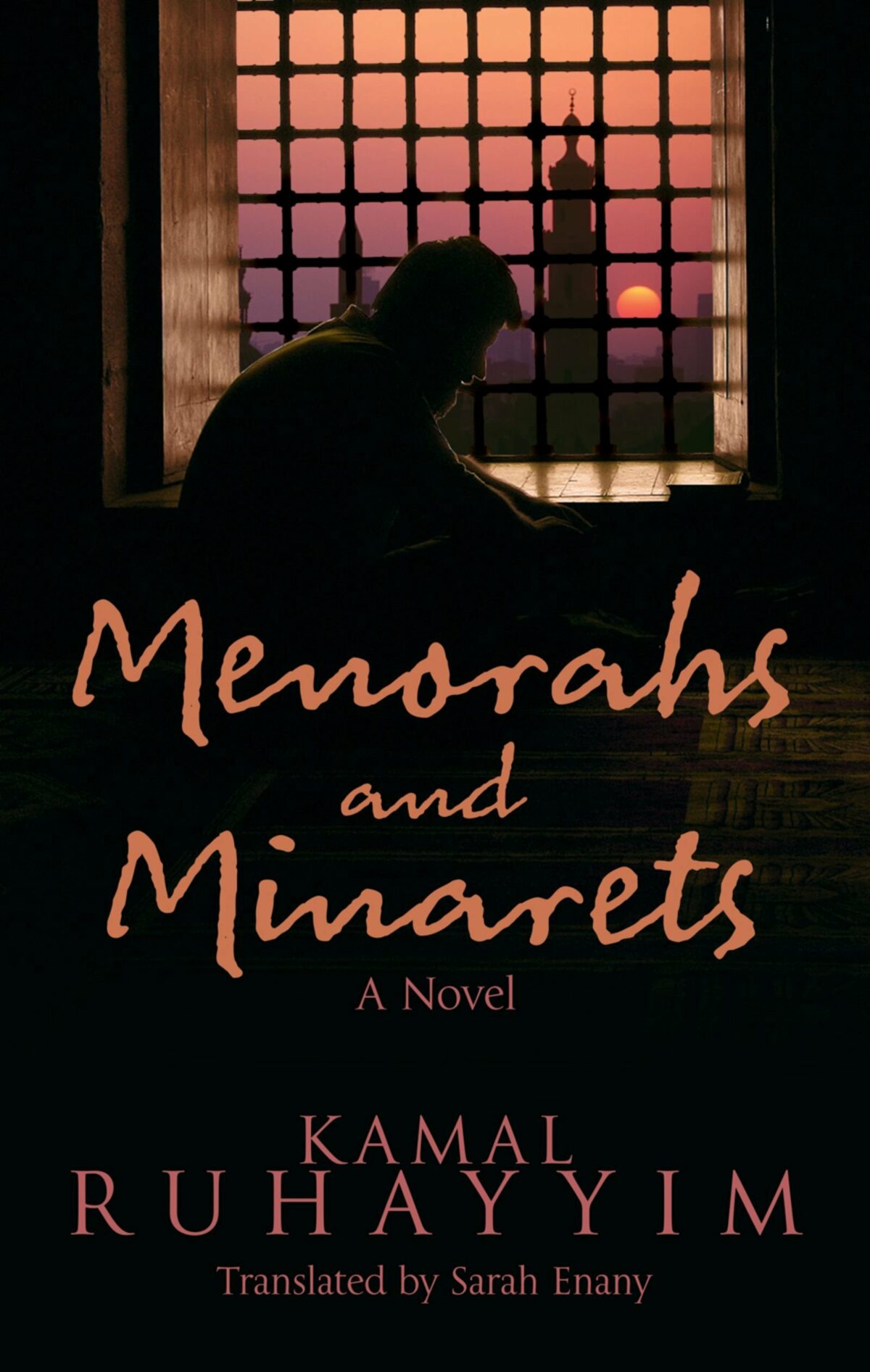
Menorahs and Minarets

(2017) A rare insight into Jewish Egyptian history After ten years in Paris, Galal returns to Cairo, where he finds a society in transformation. Egypt is Galal’s home, but he feels he no longer belongs there. He is caught between his two identities: his Jewish mother’s family are cosmopolitan business people, while his father’s family are rural farmers from the Delta. Kamal Ruhayyim paints an uncompromising portrait of an older generation dictating how their children live and love. Menorahs and Minarets is the concluding part of Ruhayyim’s compelling trilogy.

Marcus Simaika

(2017) The compelling life and times of a leading figure of modern Coptic Egyptian history Marcus Pasha Simaika (1864–1944) was born to a prominent Coptic family on the eve of the inauguration of the Suez Canal and the British occupation of Egypt. From a young age, he developed a passion for Coptic heritage and devoted his life to shedding light on centuries of Christian Egyptian history that had been neglected by ignorance or otherwise belittled and despised. He was not a professional archaeologist, an excavator, or a specialist scholar of Coptic language and literature. Rather, his achievement lies in his role as a visionary administrator who used his status to pursue relentlessly his dream of founding a Coptic Museum and preserving endangered monuments. During his lengthy career, first as a civil servant, then as a legislator and member of the Coptic community council, he maneuvered endlessly between the patriarch and the church hierarchy, the Coptic community council, the British authorities, and the government to bring them together in his fight to save Coptic heritage. This fascinating biography draws upon Simaika’s unpublished memoirs as well as on other documents and photographs from the Simaika family archive to deepen our understanding of several important themes of modern Egyptian history: the development of Coptic archaeology and heritage studies, Egyptian–British interactions during the colonial and semi-colonial eras, shifting balances in the interaction of clergymen and the lay Coptic community, and the ever-sensitive evolution of relations between Copts and their Muslim countrymen.

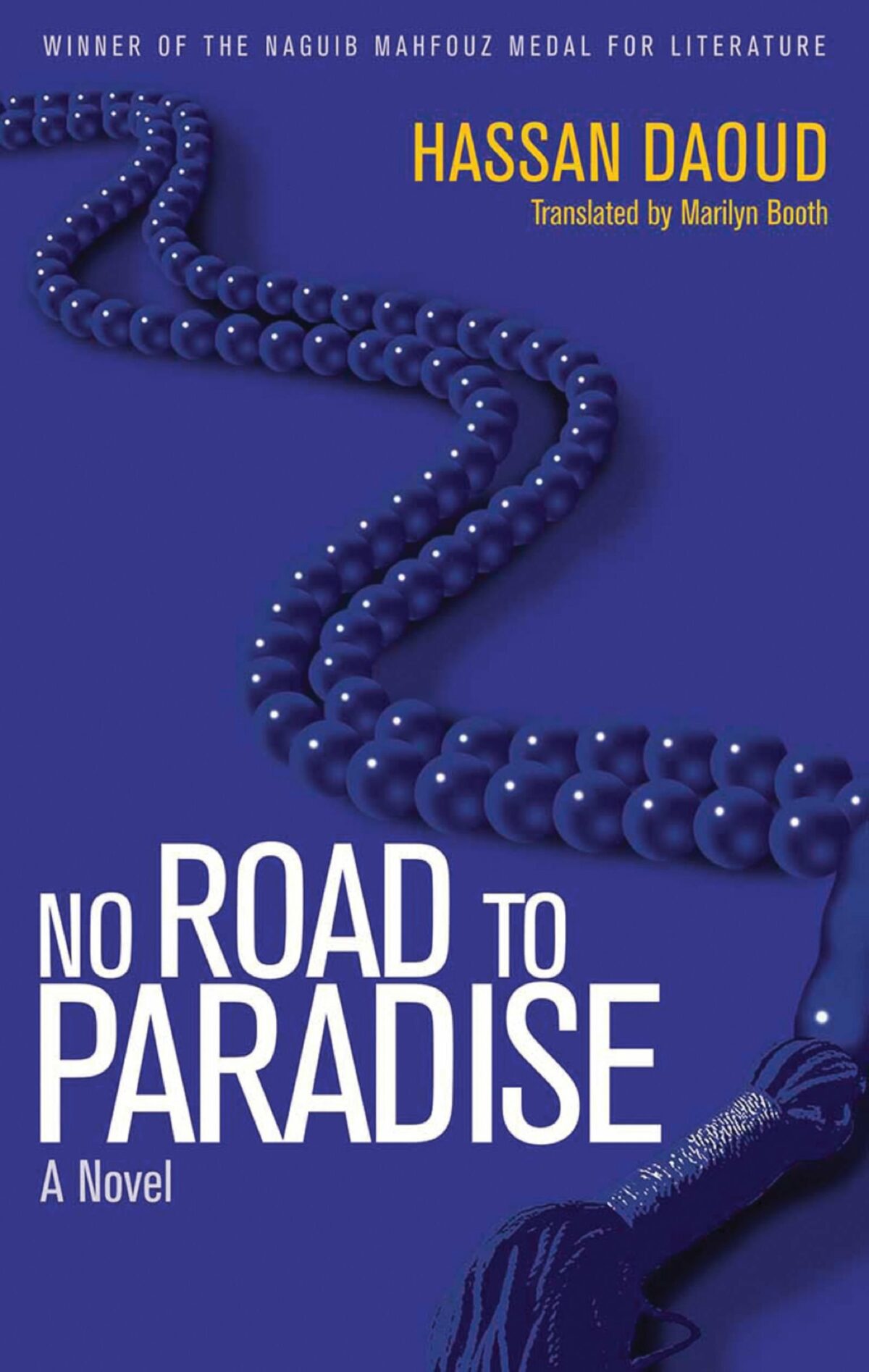
No Road to Paradise

(2017) Winner of the Naguib Mahfouz Medal for Literature In a small Lebanese village a disillusioned imam, diagnosed with terminal cancer, must face his demons. Having consented to an arranged marriage, he has found himself in a loveless union and lusts after another. To please his family, he took up the robe and turban of his forefathers but the expected path to fulfillment did not unfold before him. Meticulous, sparse prose quietly evokes the essence of rural life and the burden of tradition. Hassan Daoud’s masterful novel plumbs the depths of a man’s struggle with religion and his place in the world.

Diaries of Waguih Ghali Vol. 2

(2018) The captivating diaries of an Egyptian political exile, novelist, and libertine intellectual in sixties Europe In 1968 Egyptian novelist and political exile Waguih Ghali committed suicide in the London flat of his editor, friend, and sometime lover, Diana Athill. Ghali left behind six notebooks of diaries that for decades were largely inaccessible to the public. The Diaries of Waguih Ghali: An Egyptian in the Swinging Sixties, in two volumes, is the first publication of its kind of the journals, casting fascinating light on a likable and highly enigmatic literary personality. Waguih Ghali (1930?–69), author of the acclaimed novel Beer in the Snooker Club, was a libertine, sponger, and manic depressive, but also an extraordinary writer, a pacifist, and a savvy political commentator. Covering the last four years of his life, Ghali’s Diaries offer an exciting glimpse into London’s swinging sixties. Volume 2 covers the period from 1966 to 1968. Moving from West Germany to London and Israel, and back in memory to Egypt and Paris, the entries boast of endless drinking, countless love affairs, and of mingling with the dazzling intellectuals of London, but the Diaries also critique the sinister political circles of Jerusalem and Cairo, describe Ghali’s trepidation at being the first Egyptian allowed into Israel after the 1967 War, and confess in detail the pain and difficulties of writing and exile. Including an interview conducted by Deborah Starr with Ghali’s cousin, former director of UNICEF-Geneva, Samir Basta.

Love in the Rain

(2016) Naguib Mahfouz (1911–2006) was born in the crowded Cairo district of Gamaliya. He wrote nearly 40 novel-length works, plus hundreds of short stories and numerous screenplays. He was awarded the Nobel Prize for Literature in 1988. Nancy Roberts is the translator of Naguib Mahfouz’s The Mirage (AUC Press, 2009) and Salwa Bakr’s The Man from Bashmour (AUC Press, 2007), for which she received a commendation in the Saif Ghobash Banipal Prize for Translation.

In the Time of Love

(2016) One of the Nobel laureate’s most intriguing novels, available for the first time in English Love—who can count its varieties, measure its force, uncover the masks it wears, or predict how it binds and divides? In this spare novel, master storyteller Naguib Mahfouz gives us some of his most memorable characters, widely familiar to Egyptians from the film version of the book: Sitt Ain, with her large house, her garden, her cats, and her familiar umbrella, strong and active, mother of the neighborhood; her son Izzat, so different from her, emotional and unsure of his way; and the friends of his childhood, Sayyida, Hamdoun, and Badriya, all their lives entangled and shaped over many years by the encounter of commitment, ambition, treachery, and above all love. This is a story in and of twentieth-century Egypt, which can be read on more than one level. The neighborhood and the motifs may be familiar, but they combine to tell a new and intriguing tale, with an unexpected outcome.