Kullu Tamam

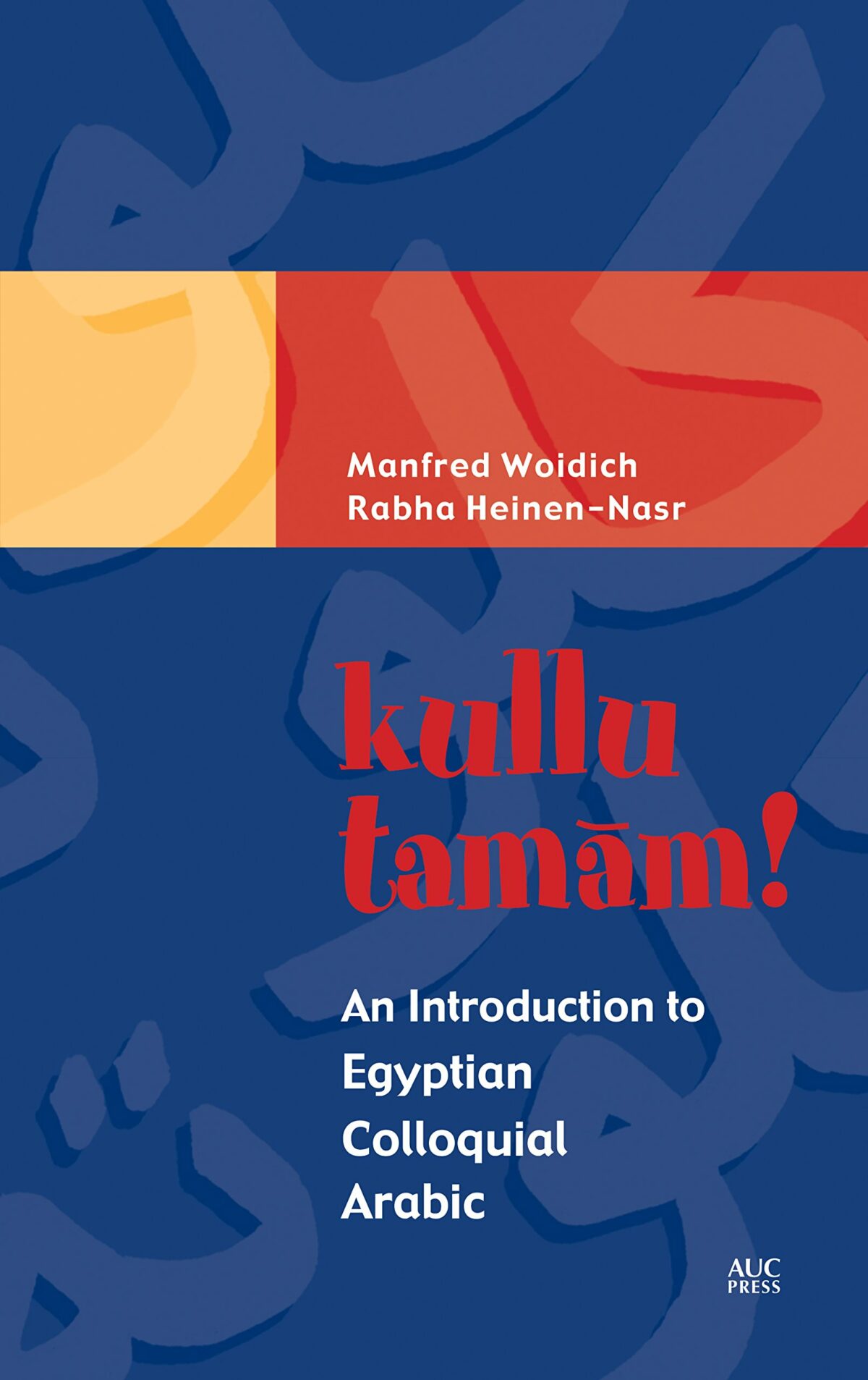
There are basically two types of Arabic: the local vernaculars-which are used in everyday life-and Modern Standard Arabic, which is restricted to writing and to speaking in formal settings. Anyone wanting to have a good command of the Arabic language must learn both varieties. kullu tamam! takes account of this diversity in two ways: it introduces the student to the language by means of Egyptian Colloquial Arabic, and provides a basis for those who want to go on to learn Modern Standard Arabic. This is done by using the grammatical terminology common to both varieties of Arabic, by offering many vocabulary items current in both the vernacular and the standard variety, and-in the later lessons-by introducing the Arabic script. kullu tamam! uses a cognitively oriented approach, presents Arabic mainly in transcription, gives grammatical rules, and presents a wide range of pattern drills and translation exercises (with key), as well as vocabulary lists for both Arabic-English and English-Arabic. Illustrative texts are either short dialogues, as may be encountered in daily life in Egypt, or descriptive passages dealing with more abstract topics and using a vocabulary typical of Arabic newspapers. The accompanying audio CD carries recordings of the texts, made by Egyptian native speakers. For over ten years now, the Dutch edition of kullu tamam! has been used successfully as a textbook in first-year Arabic courses at university level in the Netherlands. Now students in the English-speaking world can benefit from its clear, fresh approach. kullu tamam! is also suitable for self-study purposes.
Kallimni ‘Arabi

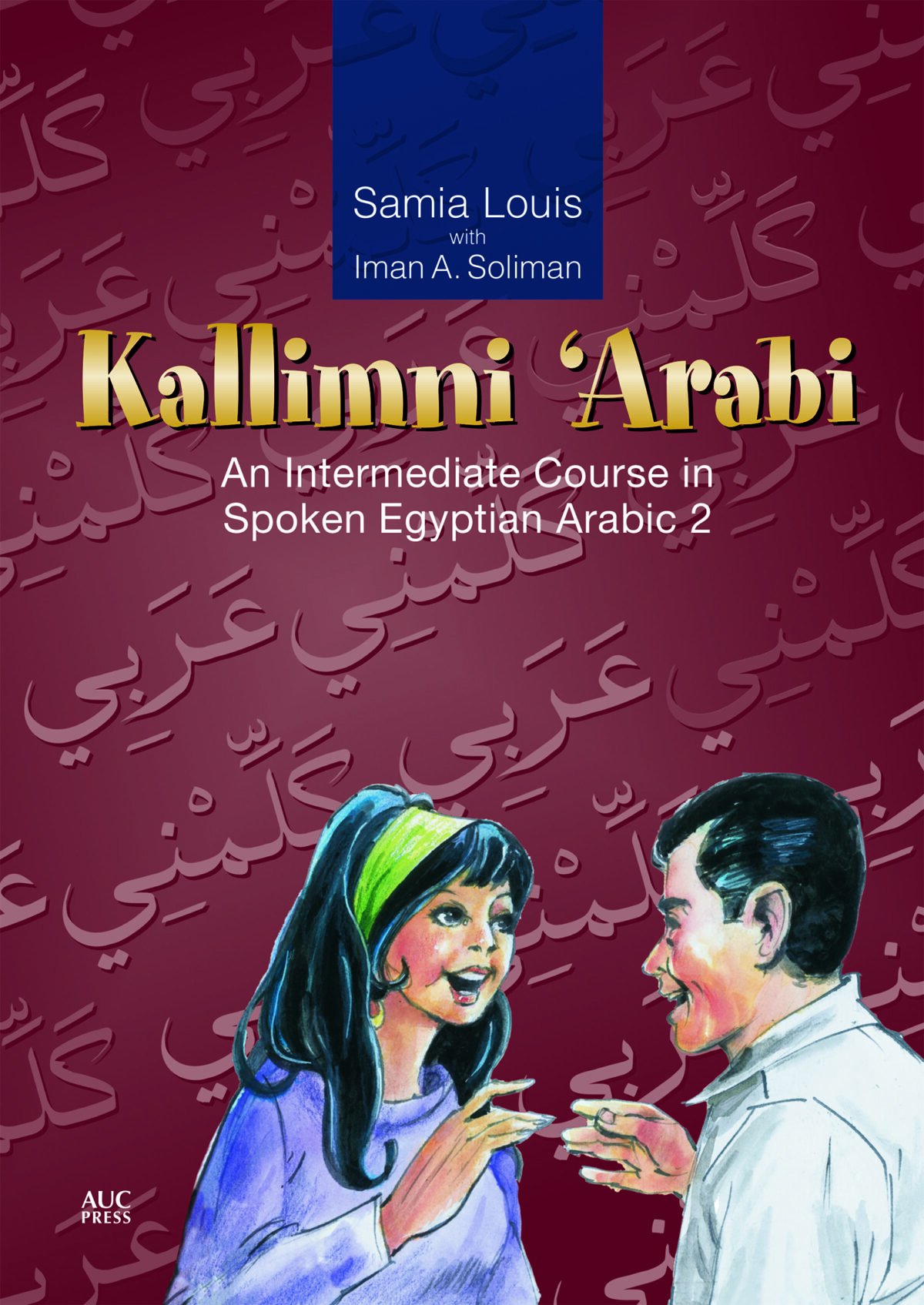
Drawing on her years of experience as an Arabic instructor and course developer, Samia Louis has used a functional approach to create a bright, innovative coursebook for the study of Egyptian colloquial Arabic–the spoken dialect most frequently studied and most widely understood in the Arab world. Designed according to the ACTFL guidelines for teaching Arabic as a foreign language, in ten highly structured lessons Kallimni `Arabi trains students in the crucial skills, with particular emphasis on listening and speaking. The accompanying audio CD carries recordings of the dialogues and exercises in each chapter, made by Egyptian native speakers. From the basics of communicating (asking directions, the language of shopping) to more advanced conversations (future plans, hobbies and free time), Kallimni `Arabi is structured so that students learn Egyptian Arabic using real-life situations and expressions. The key topics covered gradually lead students to understand, use, and speak Arabic, rather than simply memorize fixed phrases. Kallimni `Arabi is aimed at students with some ability to read and write Arabic, who have had the equivalent of 30 hours of a beginner Colloquial Arabic class or 40 hours of a Modern Standard Arabic program.

في كل أسبوع يوم جمعة

هذه الرواية تضعنا أمام إشكالية كيف يتعامل الأديب مع “الموضات” والظواهر الاجتماعية، دون أن يقع في فخ محاكاة الواقع.. إنها موضات وظواهر دخلت إلى وجدان الروائي، فحاول معرفة خلفياتها ودوافعها، ليضع يده على حجم التغيير الذي طال المجتمع المصري في العقدين الأخيرين من نهاية القرن العشرين، والعشرية الأولى من القرن الجديد.

اختار إبراهيم عبد المجيد، أحد المواقع على الإنترنت، والذي تشترط صاحبته قبول أعضاء جدد في يوم الجمعة فقط من كل أسبوع، وبتوالي دخول الأعضاء الجدد، يحكي كل منهم حكايته، يدخل الروائي عش دبابير المجتمع؛ ليكشف ما جرى تحت سطحه، وكيف يفكر هؤلاء الشباب في ظروفهم وواقعهم، وما طموحاتهم وخلفياتهم الاجتماعية، وإحباطاتهم، وشيئًا فشيئًا يتقارب هؤلاء الشباب ليشكلوا مجتمعًا صغيرًا، تتجلى فيه كل ظواهر وأمراض المجتمع الكبير. بهذا العمل، يدخل إبراهيم عبد المجيد مرحلة جديدة في سيرته الإبداعية، يثبت فيه أن الروائي هو عين وقلب مجتمعه بحق، يملك عيني زرقاء اليمامة، يشير إلي الخلل وتطوراته المقبلة، يشخص الدّاء ويترك لمن يهمه الأمر وصف الدواء.

Farewell to Alexandria

The eleven short stories in this book take us back to an Alexandria past, the cosmopolitan city as it was experienced by the author in the years before, during, and following the Second World War. Against a backdrop of major events in Alexandria’s history, from the halcyon days of the late 1930s, through the alarums of the War, to the 1952 Revolution and the dispersion of almost the entire foreign community of the city, Tzalas weaves his stories peopled with characters from his youth. These are ordinary people, people of different nationalities and faiths, but all Alexandrians, living side by side in the Great City. In describing each character with great sensitivity and perception, Tzalas succeeds not only in capturing the essence of the city itself, but in poignantly foretelling the fundamental changes and exodus that were to come. The events surrounding, among others, a German family caught in the city during the Second World War, three French monks, an old Greek musician, and a group of cultivated elderly Alexandrian gentlemen, are told with an affection often tinged with sadness. Through these characters, Tzalas tells the story of everyday lives caught up in the turbulent currents of history and the transformation of a beloved city—the end of an era. Each of the eleven stories is accompanied by an evocative illustration by Anna Boghiguian.

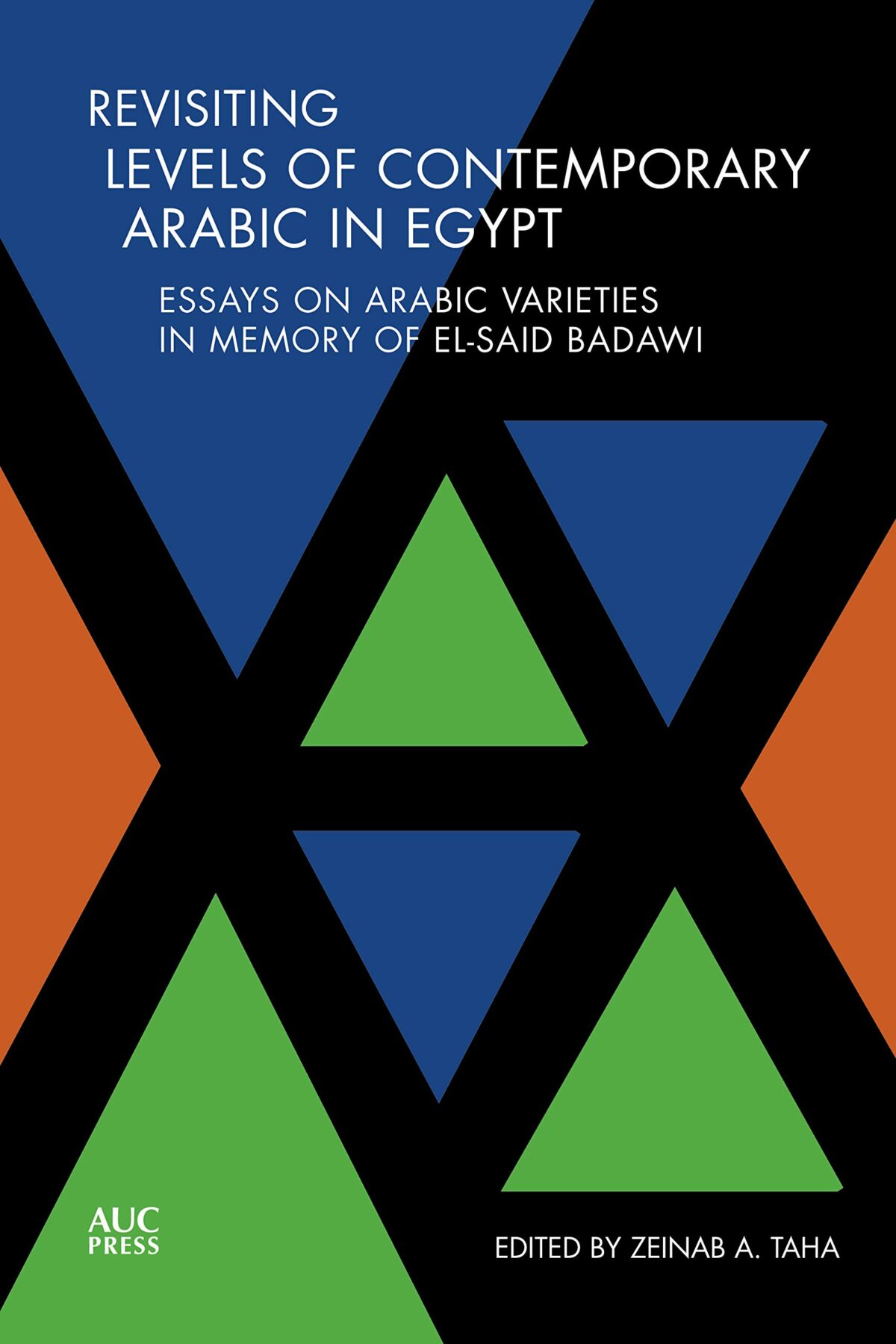
Revisiting Levels of Contempor

(2020) A leading-edge study of Arabic varieties and how they are used, written by distinguished scholars in the field El-Said Badawi’s seminal, Levels of Contemporary Arabic in Egypt was first published in Arabic in 1973. Its theory of interrelated language levels that are ever-changing along a sociolinguistic continuum inspired a generation of Arabists and Arabic-language educators to re-examine Arabic varieties from a wide range of perspectives, transforming the way scholars carried out research on language variation, lexicography, and teaching Arabic as a foreign language. Since that time, Arabic has witnessed major changes in the way its spoken and written forms are practiced, but informed, scholarly publications on the current reality of the linguistic landscape have been few and far between. This collective study, with contributions from renowned scholars of Arabic applied linguistics, draws on empirical data to bring together original new research on spoken and written language varieties in Egypt today. Thematically, Revisiting Levels of Contemporary Arabic in Egypt explores three broad but interconnected areas: Arabic varieties in context, challenges to Badawi’s Levels model, and the pedagogical implications of varying levels in teaching Arabic as a foreign language. It not only discusses the current applicability of Badawi’s model to contexts such as contemporary Egyptian newspapers and Facebook, but looks at empirical data related to colloquial varieties in Egypt and elsewhere, the role of context in their current use, and the approaches to documenting and deriving colloquial lexicons. It also examines linguistic styles in different genres and contexts and for different audiences. Contributors: Muhammad Abdel Haleem, University of London, England Mona Farrag Attwa, University of Colorado, Boulder, CO Michael G. Carter, University of Oslo, Norway Mona Kamel Hassan, The American University in Cairo, Egypt Margaret Larkin, University of California, Berkeley, CA Gunvor Mejdell, University of Oslo, Norway Mustafa Mughazy, Western Michigan University, Kalamazoo, MI Karin Christina Ryding, Georgetown University, Washington, DC Waheed Samy, The American University in Cairo, Egypt; University of Michigan, Ann Arbor, MI Devin J. Stewart, Emory University, Atlanta, GA Willem Stoetzer, Leiden University, Netherlands Zeinab A. Taha, The American University in Cairo, Egypt Hanady Tawwakol, The American University in Cairo, Egypt Kees Versteegh, Radboud University, Nijmegen, Netherlands Lisa J. White, The American University in Cairo, Egypt Manfred Woidich, University of Amsterdam, Netherlands Shahira Yacout, The American University in Cairo, Egypt Munther Younes, Cornell University, Ithaca, NY

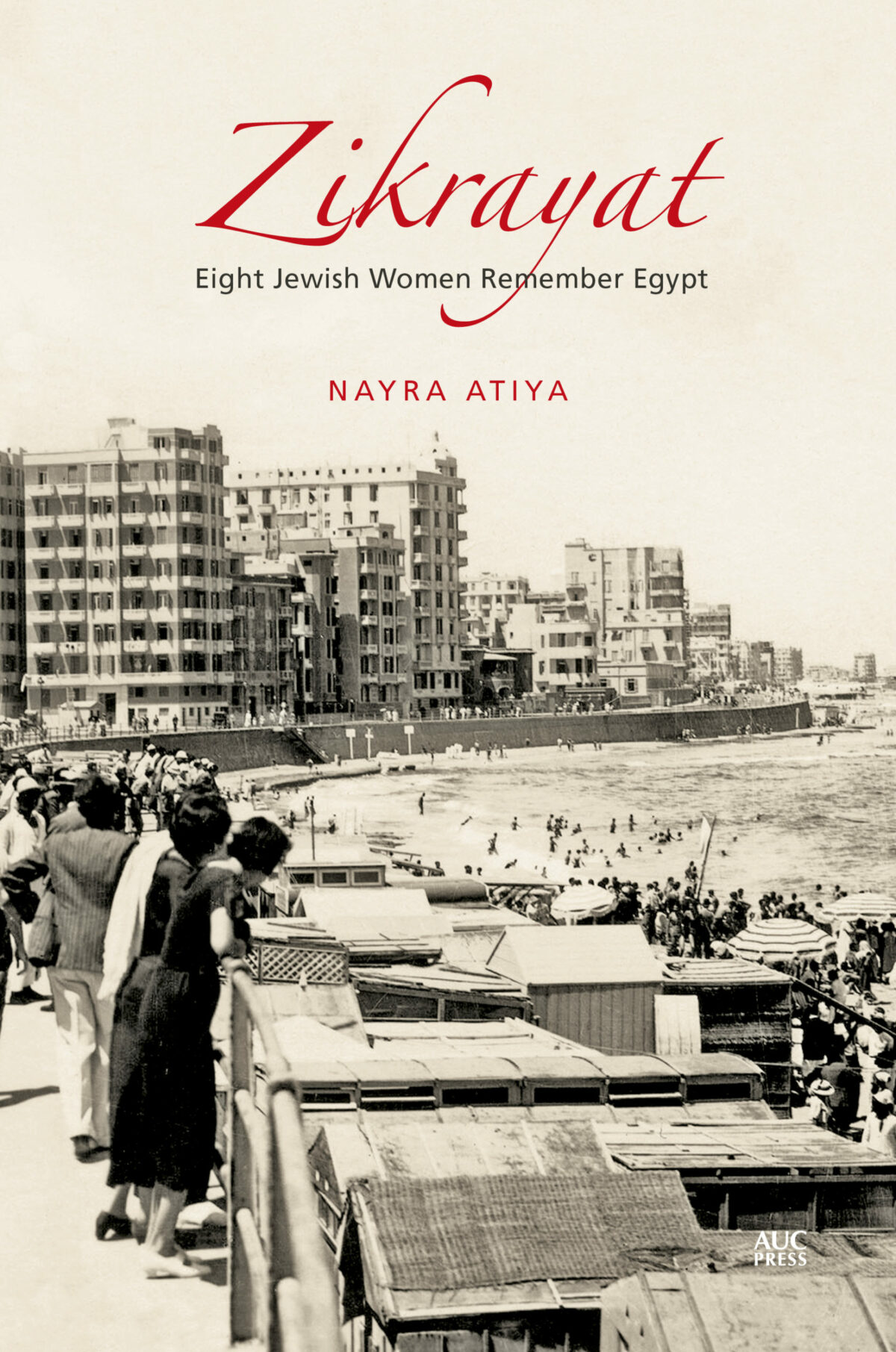
Zikrayat

(2020) Jewish women exiled from Egypt to New York share glimpses of a lost world, by the author of Khul-Khaal: Five Egyptian Women Tell Their Stories Between 1948 and 1957, a period that witnessed two wars between Egypt and Israel, 60,000 members of Egypt’s 75,000-strong Jewish population left the country, compelled by growing hostility to them because of their presumed links to Zionism, economic insecurity, and after 1956, overt expulsion. Decades later, during the 1980s and 1990s, the personal reminiscences of eight Egyptian Jewish women, presently residents of New York who had left Egypt, were meticulously collected by Nayra Atiya. While Atiya’s sample of eight narrators represents only a tiny percentage of the Jews who left Egypt, their accounts tell us much about the middle- and upper-class Jews who migrated to the Americas and Europe, giving us a vivid sense of their lives in Egypt before their departure and the dynamic role they played in Egyptian society. They were the children or grandchildren of generations of Jews who migrated to Egypt from around or near the Mediterranean to escape economic hardship and persecution or, in one case, a family conflict. With one exception, Atiya’s interlocutors resided in relatively upscale neighborhoods in Egypt near other Jewish families. They lived in elegant apartments, with servants, fine foods, memberships in elite clubs, and summers spent near Alexandria or in Europe. In Zikrayat, Atiya movingly captures the essence of these women’s characters and experiences, the fabric of their day-to-day lives, and the complex, many-layered mood of those times in Egypt. In doing so she brings to life the ties that bind all Egyptians, offering a glimpse into a now vanished world?and the heartbreak of exile and migration.

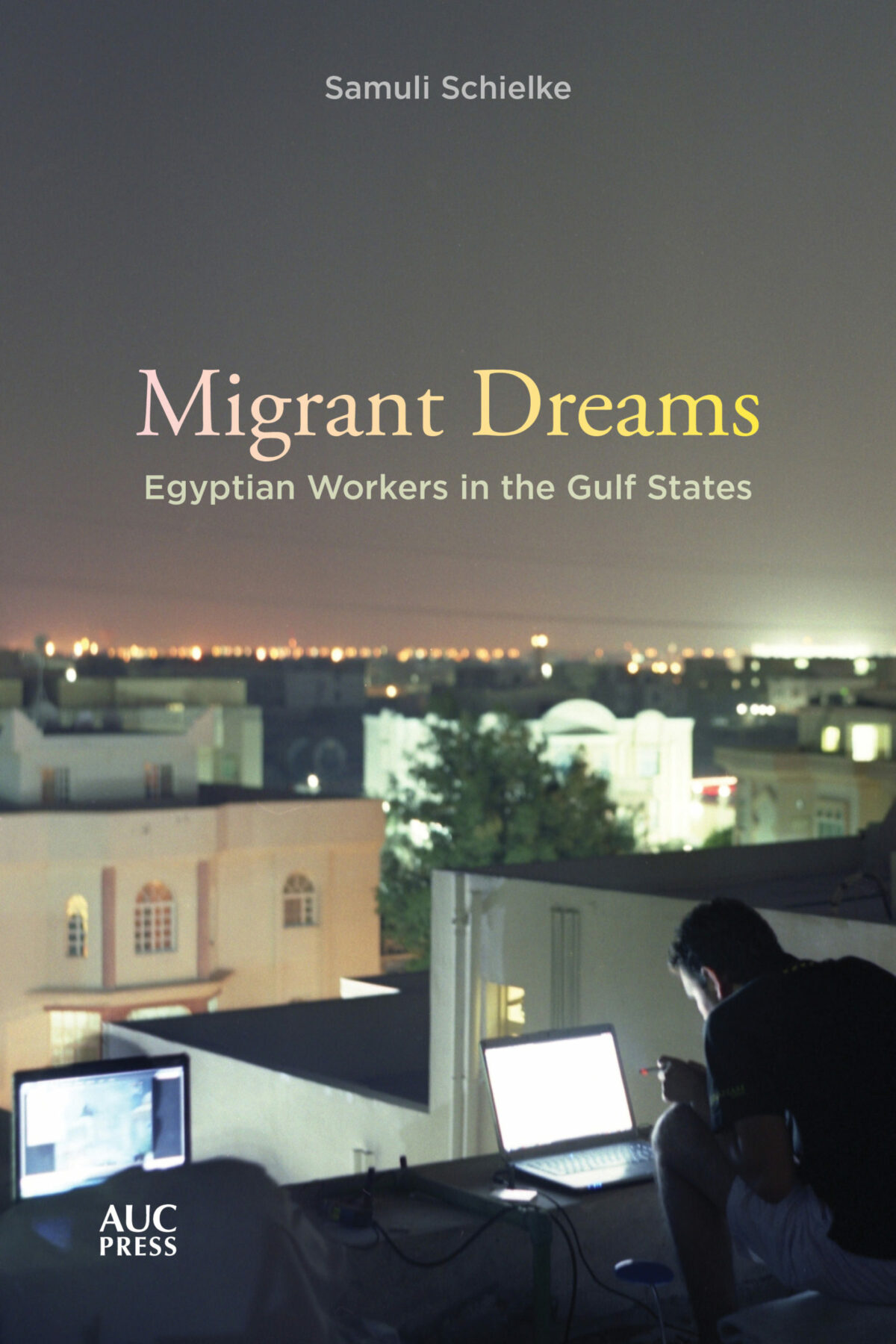
Migrant Dreams Egyptian Worke

(2020) A vivid ethnography of Egyptian migrants to the Arab Gulf states, Migrant Dreams is about the imagination which migration thrives on, and the hopes and ambitions generated by the repeated experience of leaving and returning home. What kind of dreams for a good or better life drives labor migrants? What does being a migrant worker do to one’s hopes and ambitions? How does the experience of migration to the Gulf, with its attendant economic and legal precarities, shape migrants’ particular dreams of a better life? What do those dreams?be they realistic and productive, or fantastic and unlikely?do to the social worlds of the people who pursue them, and to their families and communities back home upon their return? Based on ten years of ethnographic fieldwork and conversations with Egyptian men from mostly low-income rural backgrounds who migrated as workers to the Gulf, returned home, and migrated again over a period of about a decade, this fine-grained study explores and engages with these questions and more, as the men reflect on their strivings and the dreams they hope to fulfill. Throughout the book, Samuli Schielke highlights the story of one man, Tawfiq, who is particularly gifted at analyzing his own situation and struggles, resulting in a richly nuanced account that will appeal not only to Middle East scholars, but to anyone interested in the lived lives of labor migrants and what their experiences ultimately mean to them.

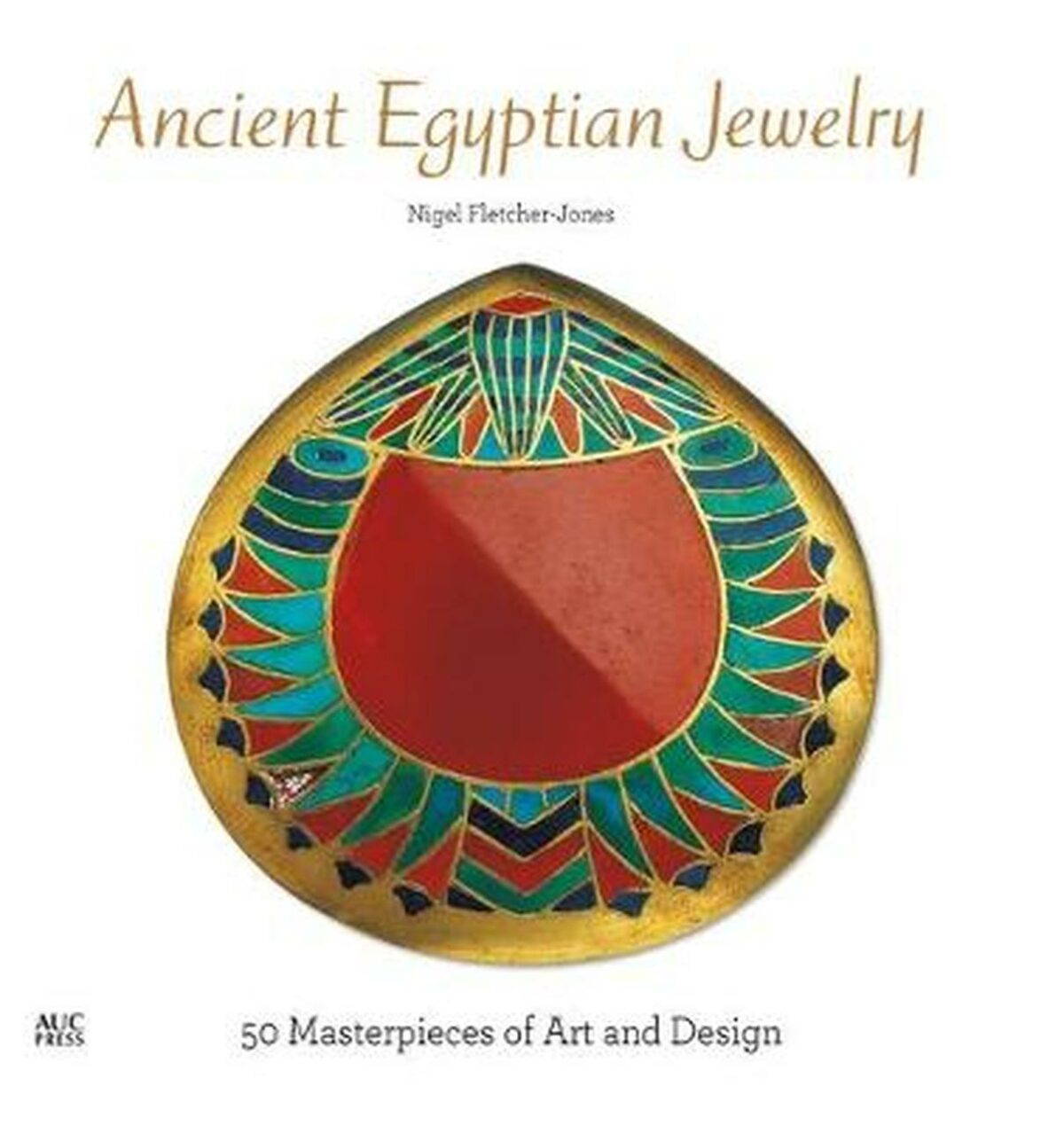
Ancient Egyptian Jewelry

(2020) Jewelry was worn by ancient Egyptians at every level of society and, like their modern descendants, they prized it for its aesthetic value, as a way to adorn and beautify the body. It was also a conspicuous signifier of wealth, status, and power. But jewelry in ancient Egypt served another fundamental purpose: its wearers saw it as a means to absorb positive magical and divine powers?to protect the living, and the dead, from the malignant forces of the unseen. The types of metals or stones used by craftsmen were magically important, as were the colors of the materials, and the exact positioning of all the elements in a design.

Thirteen Ways to Make a Plural

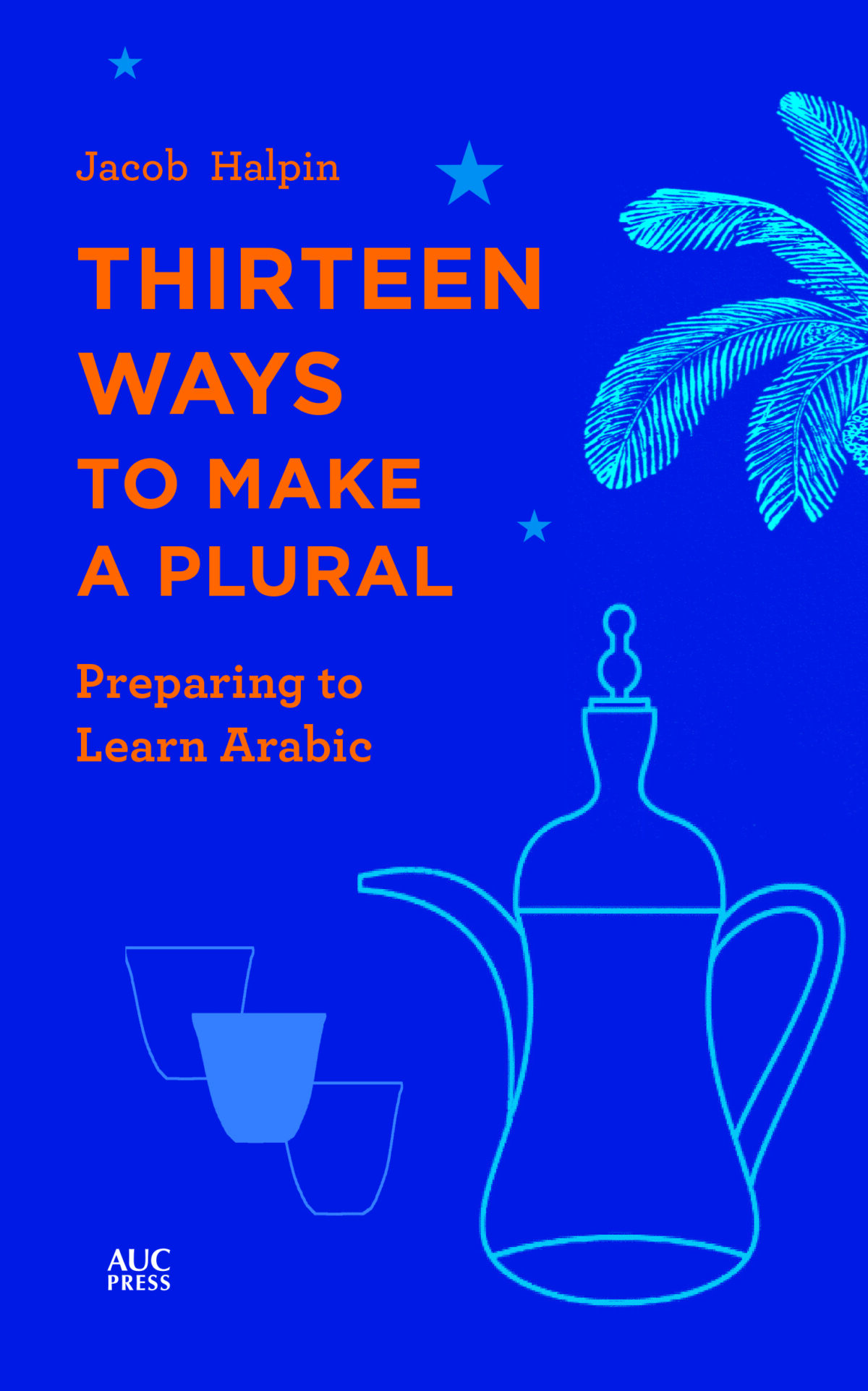
(2020) An essential guide for anyone seeking to learn Arabic, including tips and tricks to make the process more productive Arabic is one of the world’s most complex and fascinating languages, but many students dive into it without first understanding what they are aiming for, much less knowing how they will get there. Thirteen Ways to Make a Plural: Preparing to Learn Arabic provides essential guidance on making a success of learning Arabic, drawing on the author’s personal experience of having been there and done it, along with the insights and advice of countless other students and teachers. Written in a lively and engaging style, this invaluable primer enables readers to identify the type of Arabic (modern standard or colloquial) suited to their needs, to set realistic learning goals, and to achieve them more efficiently. It includes tried-and-tested methods for improving vocabulary retention, speaking fluency, listening accuracy, and reading skills, while separating the grammar that’s needed in the real world from that which can be left for later. It also provides helpful advice on how to make the most of an ‘immersion’ experience abroad, what it takes to reach an advanced level, and the Arabic required in different professional areas.

Traces A Memoir

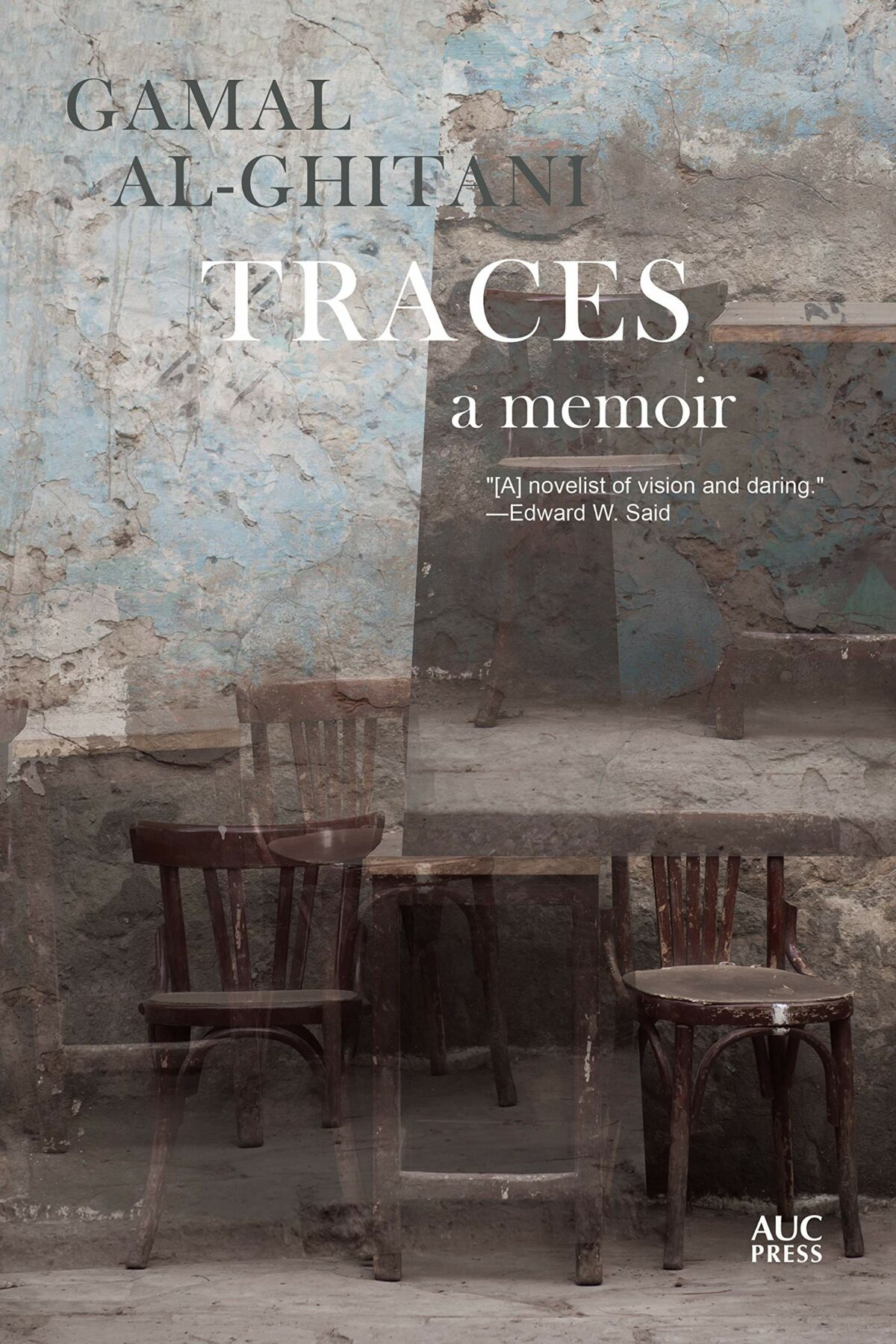
(2020) One of Egypt’s greatest contemporary writers reflects on life and love This haunting memoir, written ten years before Ghitani’s death, weaves together a series of vignettes in a style that mimics the uneven, discontinuous nature of memory itself. These fragments are summoned from across the span of a singular lifetime. We read of his childhood adventures, his erotic awakenings, his time as a political prisoner, and his reports from the battlefront in Iraq and the corridors of power in Syria. Vivid passages capture fleeting glances of strangers through car windows, flavors and scents of delicacies savored, dreams and sorrows of neighbors in the apartment blocks of Cairo before Nasser, as well as chance conversations at points of transit, in cafés, on elegant streets, and with unnamed paramours. These memories, and Ghitani’s musings on memory’s own finitude and mutability, make Traces both a memoir and a meditation on memory itself, in all its inscrutable workings and inevitable betrayals.