
At Sidi Gaber Station he begins to prepare his luggage, ready to get off the train, because the next station is the final one.

At Sidi Gaber Station he begins to prepare his luggage, ready to get off the train, because the next station is the final one.


Curious about your type? Get to know about the enneagram system of typing. Learn about the 9 types, their traits, motivations, strengths and weaknesses. Start developing your sense of self awareness, the key to changing your life.
November is Enneagram month in Diwan! We partnered with The International Enneagram Affiliate in Egypt to bring you a series of online free webinars with the top authors and teachers of the matter. Join us and get to know how knowing your Enneagram type can be the start of a life-altering journey of growth.

حفل إطلاق رواية “النظرة الأخيرة” للكاتبة دينا طاهر

Meet the author and get a signed copy
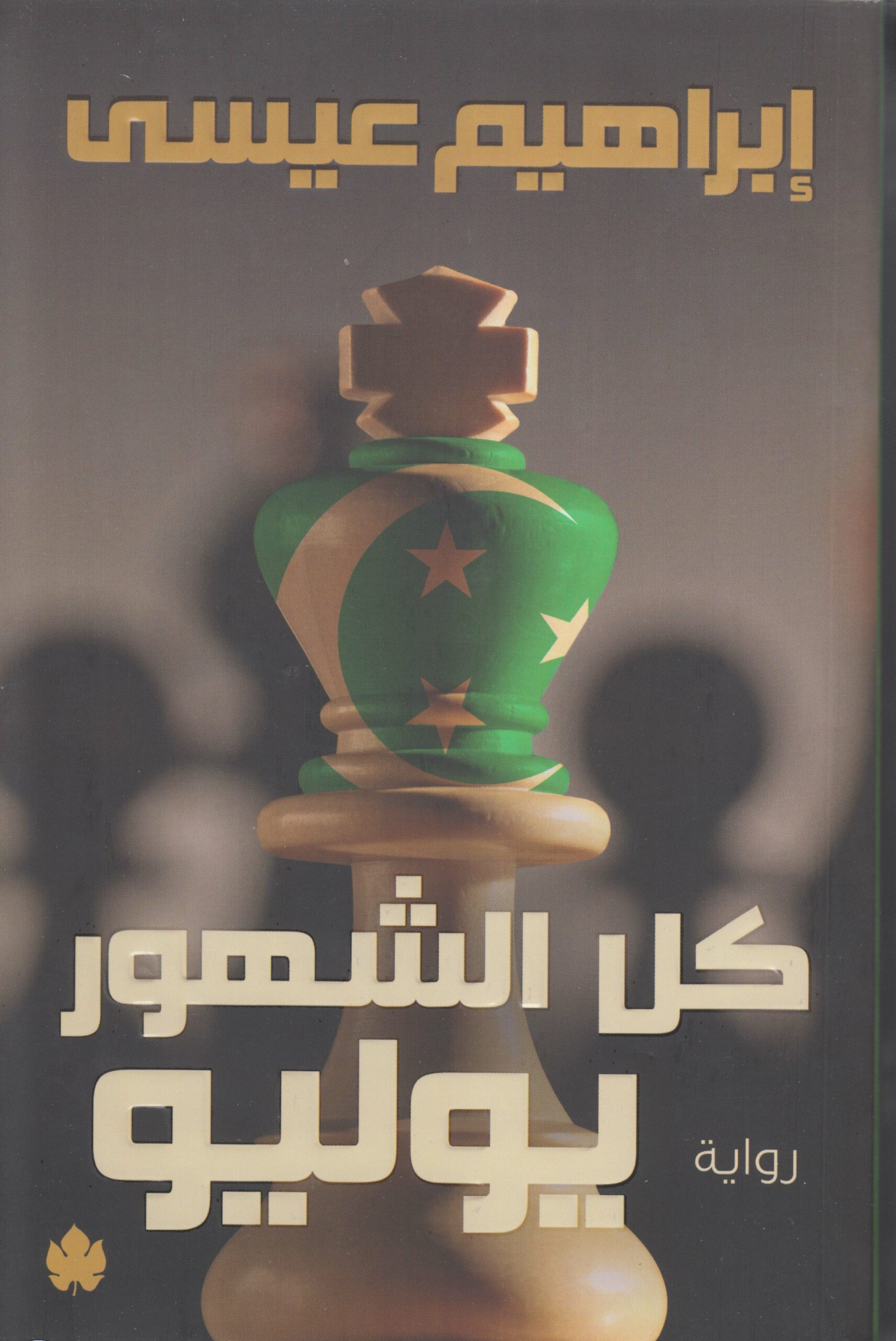
خرج الملك فاروق من البحر يضرب الماء غضبًا، جفَّف بلله وارتدى نظارته السوداء وقد أخفى حمرة عينيه، وهو يسمع رئيس البوليس الملكي يخبره بأن هناك تمرُّدًا من قوات للجيش في القاهرة. ركب الملك سيارة الشاطئ يقودها بنفسه، ودخل إلى مكتبه في قصر المنتزه، استدعى قائد الجيش، واتصل برئيس الأركان وأمره بالقبض على قائمة من الضباط، ثم صرخ وهو يملي الأسماء: «وأول واحد تجيبوه من بيته هو محمد نجيب!». بدأت قوات البحرية الملكية تُحكم سيطرتها على الإسكندرية، بينما انتشرت قوات الجيش بأوامر قائده في شوارع القاهرة، وانقض البوليس الحربي على كل الضباط المطلوب القبض عليهم. تم ترحيل اللواء نجيب إلى السجن الحربي مع مجموعة من الضباط الذين أطلقوا على أنفسهم «الضباط الأحرار».
في صباح ٢٣ يوليو ١٩٥٢، أذاع الملك فاروق بصوته بيانًا من الراديو يعلن عن إجهاض تمرُّد عسكري والقبض على كل المشاركين في المؤامرة.
لكنَّ شيئًا من هذا كله لم يحدث.
بل إن ما جرى كان العكس تمامًا.
إبراهيم عيسى في روايته «كل الشهور يوليو» يُعيد بناء الحقيقة من بين ركام الأكاذيب وزحام الأسرار، وينقذ التاريخ من العواطف، في رواية الصراع والخداع والحب والكراهية والصدفة والغباء والولاء والخيانة والخبل والأمل، وخطة الفشل التي حققت نجاحًا ساحقًا.
حاول أن تنسى كل ما تعرفه لتتعرف الآن على الحقيقة.
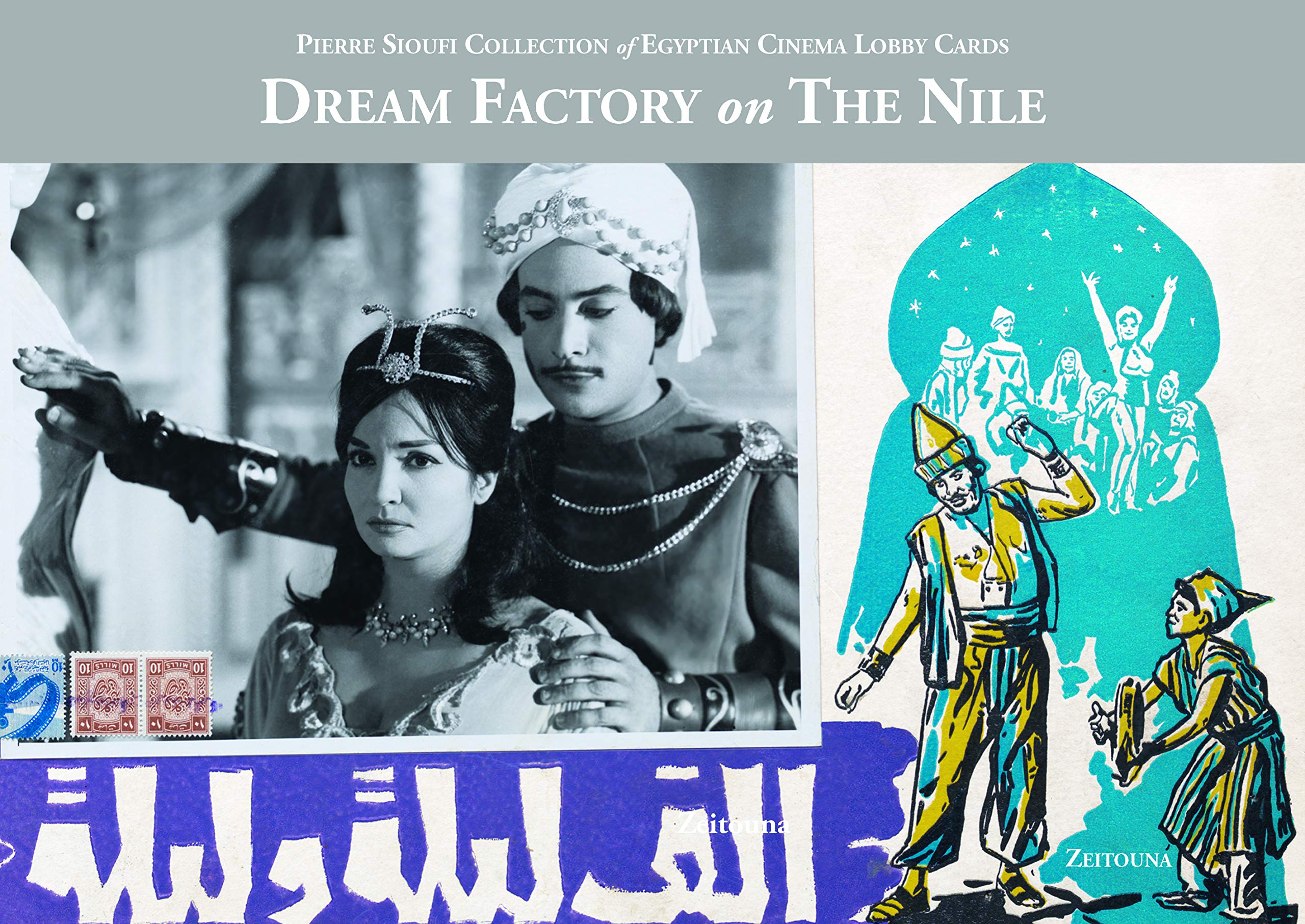
Egyptian lobby cards combined a film’s poster art, still photographs from the set, and a credit list that usually included the production company, cast and crew, director, screenwriter, and music composer―excellent tools for the study of the history of cinema and highly desirable collectors’ items.
Pierre Sioufi (1961–2018), iconic collector, artist, and revolutionary godfather to young activists who led the 2011 Egyptian uprising, amassed a vast quantity of cinema ephemera over the course of his lifetime. Dream Factory on the Nile presents a glimpse of his extensive collection of Egyptian film lobby cards spanning the growth, glory years, and decline of Egyptian cinema between the 1930s and 1990s.
Includes a concise introduction by Rasha Azab to the history of Egyptian film production from its birth in Alexandria at the turn of the twentieth century to the late 1990s.


A prolific film industry has flourished on the banks of the Nile since the earliest days of cinema, producing movies that have been hugely popular and immensely influential not only in Egypt but across the Arab world. Concentrating on productions written and produced entirely in Egypt, Sameh Fathy—a film critic with an encyclopedic knowledge of the history of Egyptian cinema—here selects the 101 most important movies to come out of Cairo’s famous studios over the last eighty years. From classic comedies like Salama Is Fine to social dramas like The Second Wife, and from literary adaptations like The Call of the Curlew to masterpieces of the cinematic art like The Night of Counting the Years, the author introduces us to each film’s writers, producers, directors, and stars, and explains the movie’s particular historical, cultural, or artistic significance. Illustrated throughout with posters and stills from all the movies covered.