No Rules Rules

(2020) There has never before been a company like Netflix. It has led nothing short of a revolution in the entertainment industries, generating billions of dollars in annual revenue while capturing the imaginations of hundreds of millions of people in over 190 countries. But to reach these great heights, Netflix, which launched in 1998 as an online DVD rental service, has had to reinvent itself over and over again. This type of unprecedented flexibility would have been impossible without the counterintuitive and radical management principles that cofounder Reed Hastings established from the very beginning. Hastings rejected the conventional wisdom under which other companies operate and defied tradition to instead build a culture focused on freedom and responsibility, one that has allowed Netflix to adapt and innovate as the needs of its members and the world have simultaneously transformed.

Hastings set new standards, valuing people over process, emphasizing innovation over efficiency, and giving employees context, not controls. At Netflix, there are no vacation or expense policies. At Netflix, adequate performance gets a generous severance, and hard work is irrel­evant. At Netflix, you don’t try to please your boss, you give candid feedback instead. At Netflix, employees don’t need approval, and the company pays top of market. When Hastings and his team first devised these unorthodox principles, the implications were unknown and untested. But in just a short period, their methods led to unparalleled speed and boldness, as Netflix quickly became one of the most loved brands in the world.

Here for the first time, Hastings and Erin Meyer, bestselling author of The Culture Map and one of the world’s most influential business thinkers, dive deep into the controversial ideologies at the heart of the Netflix psyche, which have generated results that are the envy of the business world. Drawing on hundreds of interviews with current and past Netflix employees from around the globe and never-before-told stories of trial and error from Hastings’s own career, No Rules Rules is the fascinating and untold account of the philosophy behind one of the world’s most innovative, imaginative, and successful companies.

الجريمة العثمانية

قائمة طويلة من المجرمين، ما بين سلاطين دمويين، وباشوات فاسدين، وجُند همج.. قتل، سلب، نهب، فساد، تدمير، خيانات.. تزدحم بها صحيفة سوابق العثمانيين..
تفاصيل صادمة لوقائع وأحداث إجرامية لا تسقط بالتقادُم..

حكايات المماليك المصرية

هذا كتاب من نوع جديد يحتوي على حكايات منتقاة من الحقبة المملوكية (1250-1517)، لا يربطها موضوع واحد سوى الخلفية التاريخية من حيثُ الزمان والمكان. الهدف منها ليس كتابة تاريخ مصر المملوكية، لكنها لقطات مختلفة تلقي الضوء على بعض النواحي الاجتماعية والسياسية لهذه الحقبة. منهج الكتاب سردي تاريخي وليس روائيًّا فجميع أحداثه وشخصياته ومعلوماته دقيقة ومستقاة من المصادر المصرية للمؤرخين المماليك والمراجع الأكاديمية الحديثة في مصر والخارج. ببساطة هو محاولة لربط الماضي بالحاضر نشير فيها إلى أن الكثير من صراعات العصر المملوكي الداخلية والخارجية، لا تزال مستمرة إلى اليوم. تتناول فصول الكتاب موضوعات سياسية؛ مثل مؤسسات الحكم من سلاطين المماليك أصحاب السلطة الدنيوية والخلفاء العباسيين أصحاب السلطة الدينية، وحربية كنهب الإسكندرية باسم الصليب، والانتقام المصري بغزو قبرص. ومن أدب الرحلات تتناول رحلات مصريين إلى الخارج شمالًا وغربًا، ورحلات أجانب إلى مصر لأغراض مختلفة. علاقات مصر الخارجية ببعض الدول؛ مثل اليمن والحبشة ومالي وجمهورية البندقية الإيطالية موضوع مهم آخر تغطيه عدة فصول، وهناك فصل عن موضوعات تراثية مهمة مثل زيت البلسم الشهير وعلاقته برحلة العائلة المقدسة إلى مصر.

Placeholder 2

Stay tuned for more upcoming events

Placeholder 1

Stay tuned for more upcoming events

مناقشة كتاب “حكايات التعب والشفاء” مع الكاتب د. نبيل القط

Respected Sir

Respected Sir is a story of vaulting ambition. Othman Bayyumi joins the civil service at the lowest point of the professional scale as an archives clerk. From the first minute in his career he is seized by a mad desire to become one day director-general of the department, and his eagerness to fulfill this ambition becomes an exalted and arduous religious quest, for the sake of which no sacrifice is too great.

The Journey of Ibn Fattouma

First published in Arabic in 1983, this brief but powerful parable is set in a mythical, timeless Middle East. It is presented as the journal of a wanderer known as Ibn Fattouma, whose boyhood tutor had extolled the virtues of travel as a way of finding the true meaning of life. He joins a caravan and sets out to explore the world, his ultimate destination the enigmatic land of Gebel. Raised in an Islamic society, Ibn Fattouma finds to his surprise that many of the countries he visits, though heathen, are in some ways superior to his own. His first stop results in marriage to a non-believer, and children. However, war with another country and a clash with a city official cause him to lose his family, and he is forced to leave. In another country he is imprisoned for twenty years, accused of crimes against the state. Civil war frees him, and he moves on again, always seeking an intangible he is never able to find, always vulnerable to the winds of social and political change. Finally, he joins a caravan bound for Gebel—a country so distant and mysterious that no one has ever been known to reach it and return to tell the tale.

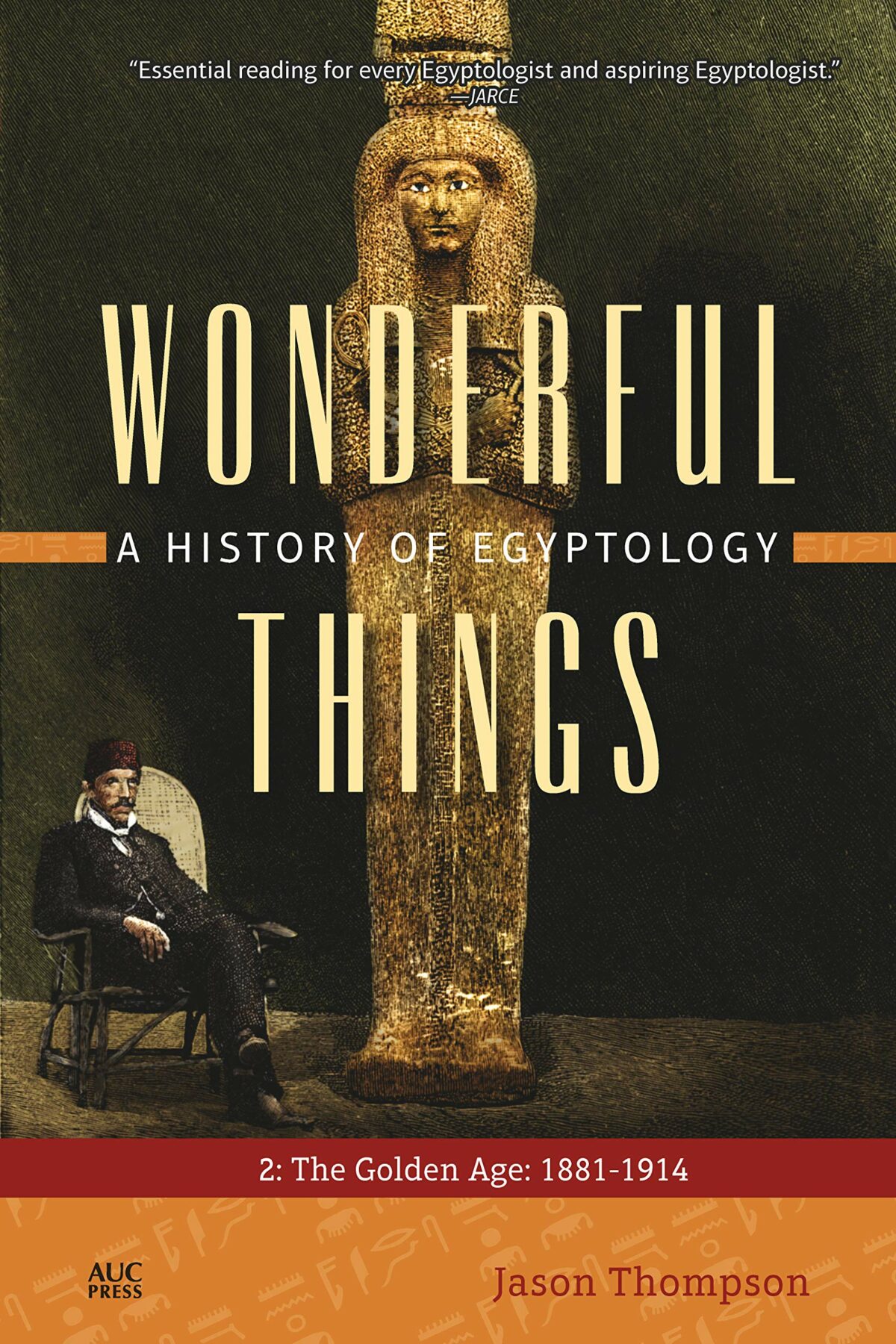
Wonderful Things: A History Of Egyptology 2: The Golden Age: 1881–1914

The discovery of ancient Egypt and the development of Egyptology are momentous events in intellectual and cultural history. The history of Egyptology is the story of the people, famous and obscure, who constructed the picture of ancient Egypt that we have today, recovered the Egyptian past while inventing it anew, and made a lost civilization comprehensible to generations of enchanted readers and viewers thousands of years later. This, the third of a three-volume history of Egyptology, follows the progress of the discipline from the trauma of the First World War, through the vicissitudes of the twentieth century, and into Egyptology’s new horizons at the beginning of the twenty-first century. Wonderful Things affirms that the history of ancient Egypt has proved continually fascinating, but it also demonstrates that the history of Egyptology is no less so. Only by understanding how Egyptology has developed can we truly understand the Egyptian past.

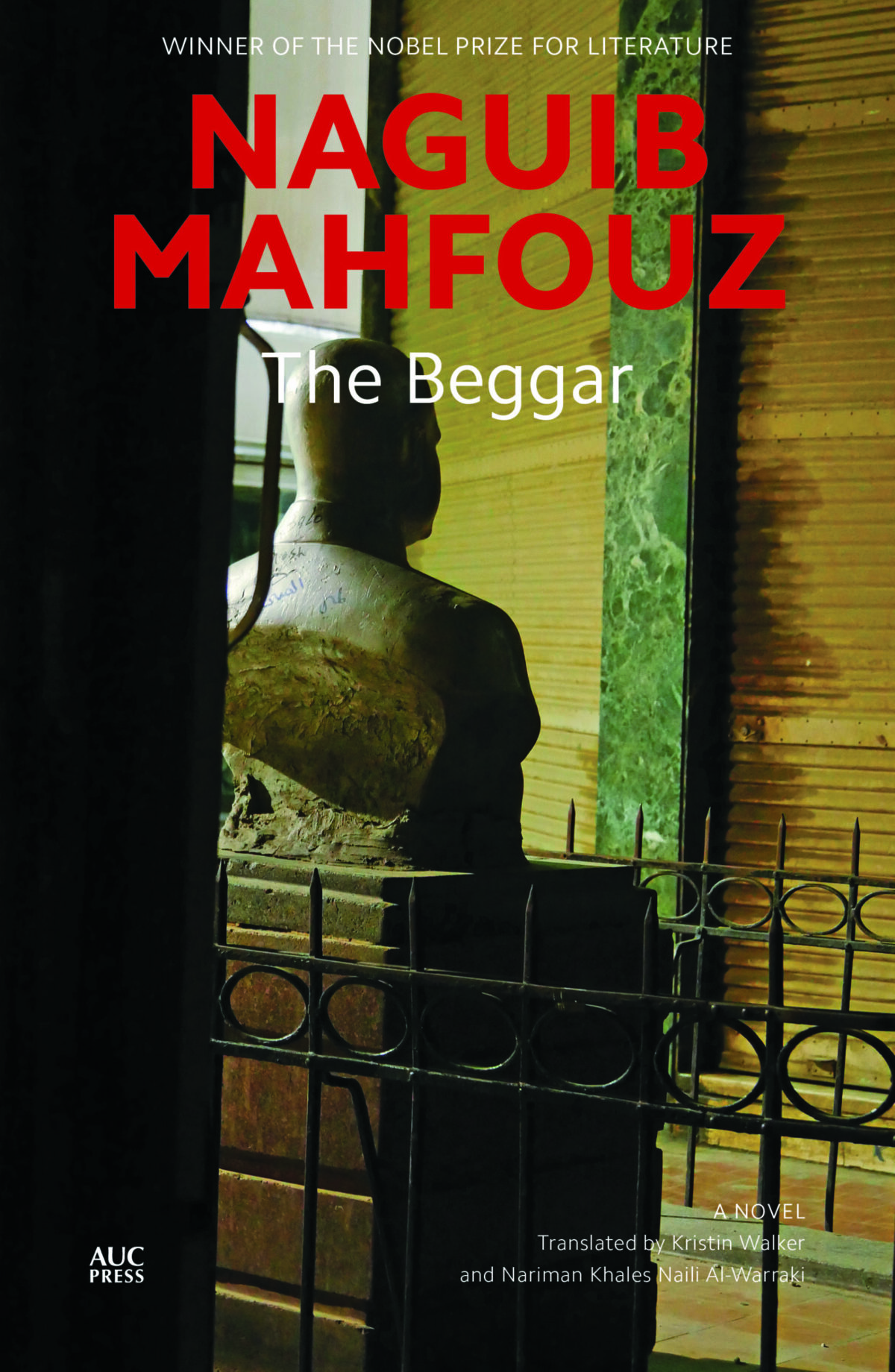
The Beggar

Set in Cairo in the early 1950s, this novel portrays the psychological torment of Omar, an ardent revolutionary in his youth who in middle age has been left behind by Nasser’s 1952 Revolution. His conscience has died. As he struggles for psychological renewal, he sacrifices his work and his family to a series of illicit love affairs, which simply increase his alienation from himself and from the rest of the world.