The Art of the Start 2.0

Whether you’re an aspiring entrepreneur, small-business owner, intrapreneur, or not-for-profit leader, there’s no shortage of advice on topics such as innovating, recruiting, fund raising, and branding. In fact, there are so many books, articles, websites, blogs, webinars, and conferences that many startups focus on the wrong priorities and go broke before they succeed.
The Art of the Start 2.0 solves that problem by distilling Guy Kawasaki’s decades of experience as one of the most hardworking and irreverent strategists in the business world. Guy understands the seismic changes in business over the last decade: Once-invulnerable market leaders are struggling. Many of the basics of getting established have become easier, cheaper, and more democratic. Business plans are no longer necessary. Social media has replaced PR and advertising as the key method of promotion. Crowdfunding is now a viable alternative to investors. The cloud makes basic infrastructure affordable for almost any new venture.
The Art of the Start 2.0 will show you how to effectively deploy all these tools. It will help you master the fundamental challenges that have not changed: building a strong team, creating an awesome product or service, and facing down your competition.

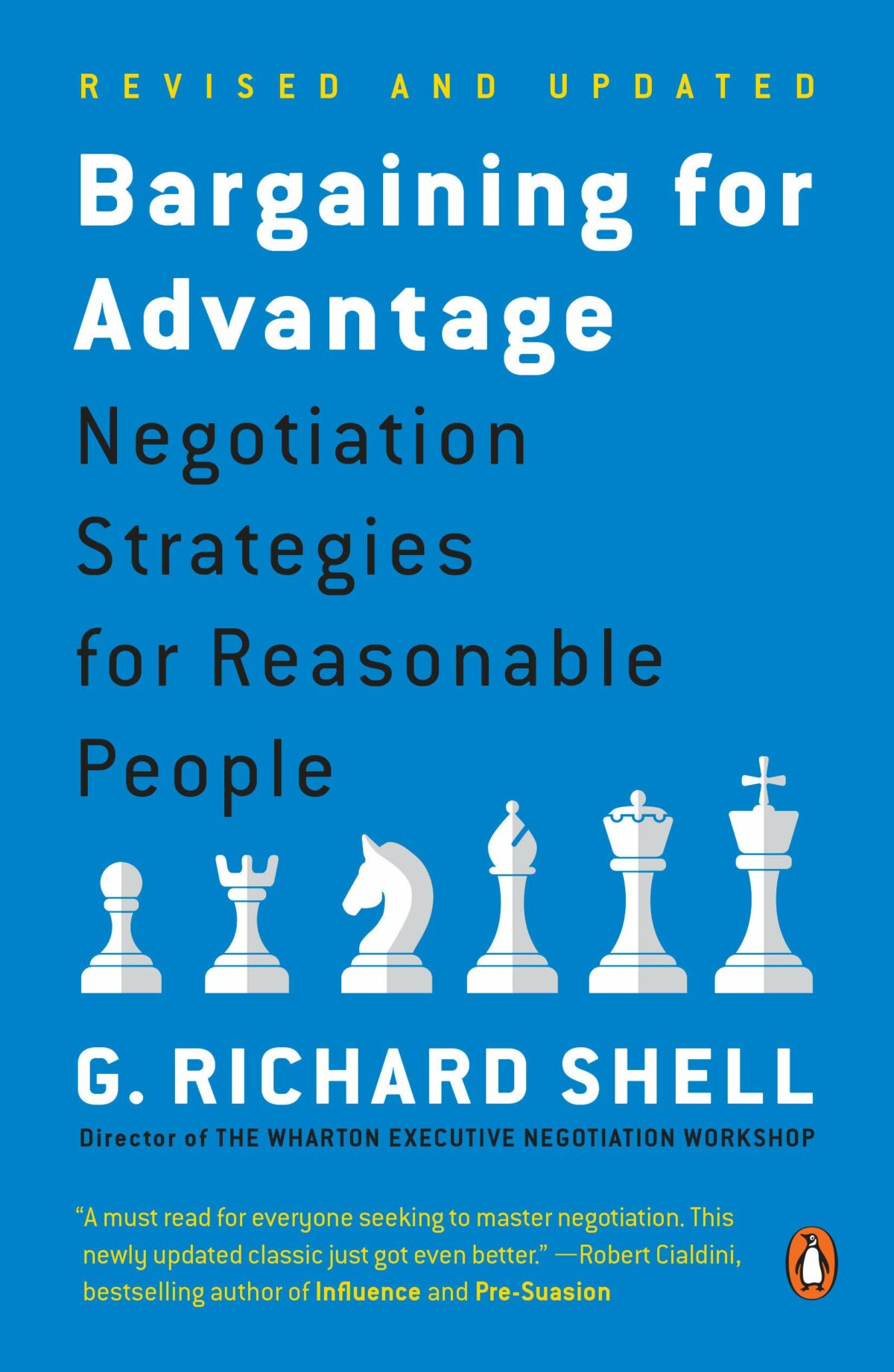
Bargaining for Advantage

As director of the world-renowned Wharton Executive Negotiation Workshop, Professor G. Richard Shell has taught thousands of business leaders, lawyers, administrators, and other professionals how to survive and thrive in the sometimes rough-and-tumble world of negotiation. In the third edition of this internationally acclaimed book, he brings to life his systematic, step-by-step approach, built around negotiating effectively as who you are, not who you think you need to be. Shell combines lively stories about world-class negotiators from J. P. Morgan to Mahatma Gandhi with proven bargaining advice based on the latest research into negotiation and neuroscience. This updated edition includes:

The Secret History

Dictionary of Body Language

(2018) Joe Navarro has spent a lifetime observing others. For 25 years, as a Special Agent for the FBI, he conducted and supervised interrogations of spies and other dangerous criminals, honing his mastery of nonverbal communication. After retiring from the bureau, he has become a sought-after public speaker and consultant, and an internationally bestselling author. Now, a decade after his groundbreaking book What Every BODY is Saying, Navarro returns with his most ambitious work yet. The Dictionary of Body Language is a pioneering “field guide” to nonverbal communication, describing and explaining the more than 400 behaviors that will allow you to gauge anyone’s true intentions.

Moving from the head down to the feet, Navarro reveals the hidden meanings behind the many conscious and subconscious things we do. Readers will learn how to tell a person’s actual feelings from subtle changes in their pupils; the lip behaviors that betray concerns or hidden information; the many different varieties of arm posturing, and what each one means; how the position of our thumbs when we stand akimbo reflects our mental state; and many other fascinating insights to help you both read others and change their perceptions of you.

Readers will turn to The Dictionary Body Language again and again–a body language bible for anyone looking to understand what their boss really means, interpret whether a potential romantic partner is interested or not, and learn how to put themselves forward in the most favorable light.

*GlobalGurus.org

Mere Christianity

A forceful and accessible discussion of Christian belief that has become one of the most popular introductions to Christianity and one of the most popular of Lewis’s books. Uncovers common ground upon which all Christians can stand together.

In 1943 Great Britain, when hope and the moral fabric of society were threatened by the relentless inhumanity of global war, an Oxford don was invited to give a series of radio lectures addressing the central issues of Christianity. Over half a century after the original lectures, the topic retains it urgency. Expanded into book form, Mere Christianity never flinches as it sets out a rational basis for Christianity and builds an edifice of compassionate morality atop this foundation. As Mr. Lewis clearly demonstrates, Christianity is not a religion of flitting angels and blind faith, but of free will, an innate sense of justice and the grace of God.

Built to Last

(2004) Drawing upon a six-year research project at the Stanford University Graduate School of Business, James C. Collins and Jerry I. Porras took eighteen truly exceptional and long-lasting companies and studied each in direct comparison to one of its top competitors. They examined the companies from their very beginnings to the present day — as start-ups, as midsize companies, and as large corporations. Throughout, the authors asked: “What makes the truly exceptional companies different from the comparison companies and what were the common practices these enduringly great companies followed throughout their history?”

Filled with hundreds of specific examples and organized into a coherent framework of practical concepts that can be applied by managers and entrepreneurs at all levels, Built to Last provides a master blueprint for building organizations that will prosper long into the 21st century and beyond.

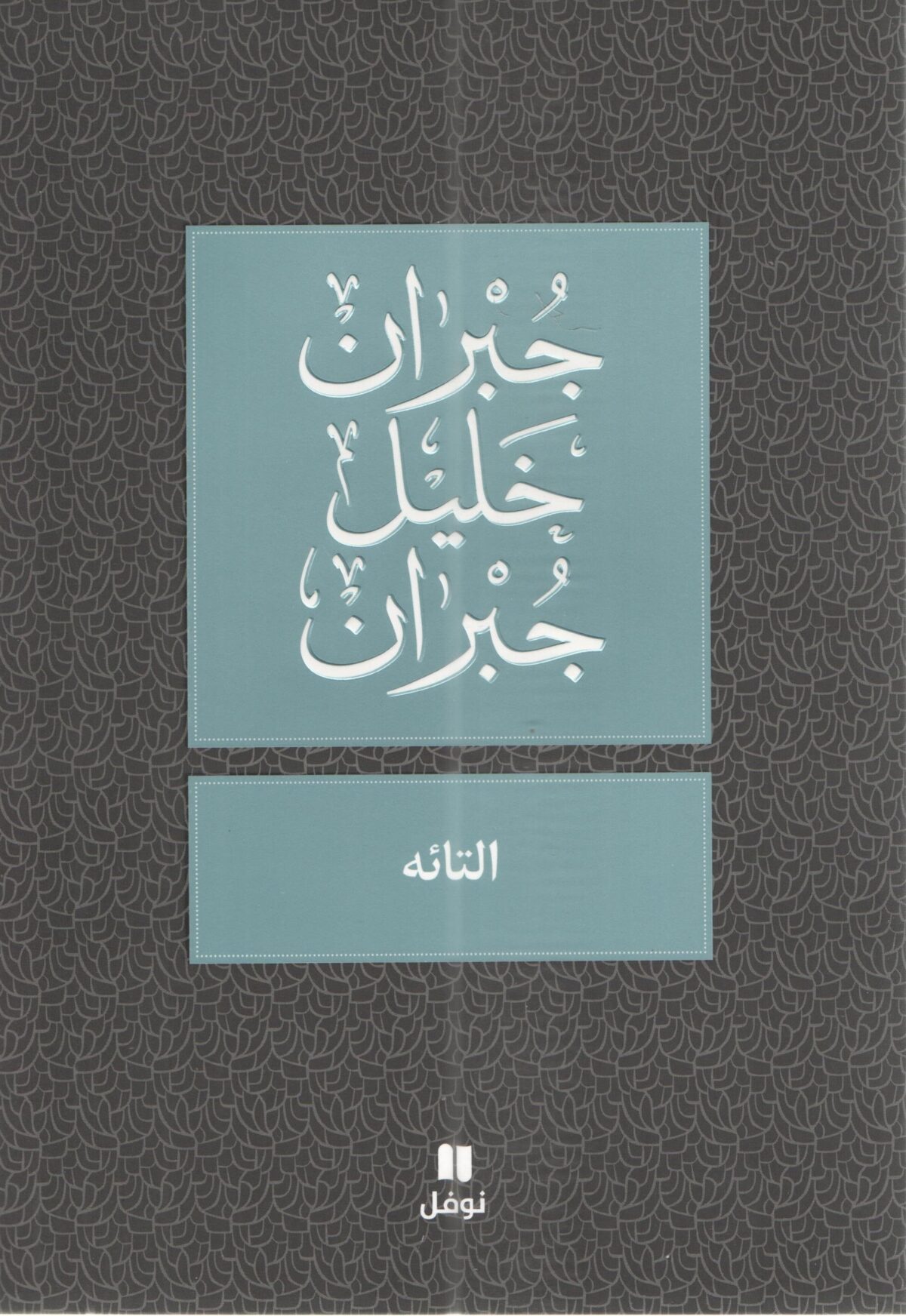
التائه

التائه هو كتاب للكاتب والرسام والشاعر اللبناني جبران خليل جبران، الذي يعتبر من رواد الشعر في عصره، كما أنه يُعد فنانًا له أعمال كثيرة تحكي عنه في الأدب وفي الرسم. وقد نُشرهذا الكتاب في عام 1932م أي بعد وفاته بعام واحد. وفيه ينقد التقاليد الإجتماعية، ويسخر من إزدواجية المعايير عند الناس البشر، وماتحويه نفوسهم من تناقضات. ولأعمال جبران الأدبية صيت كبير، حيث تُرجمت إحدى أعماله إلى ما يقارب 110 لغة.

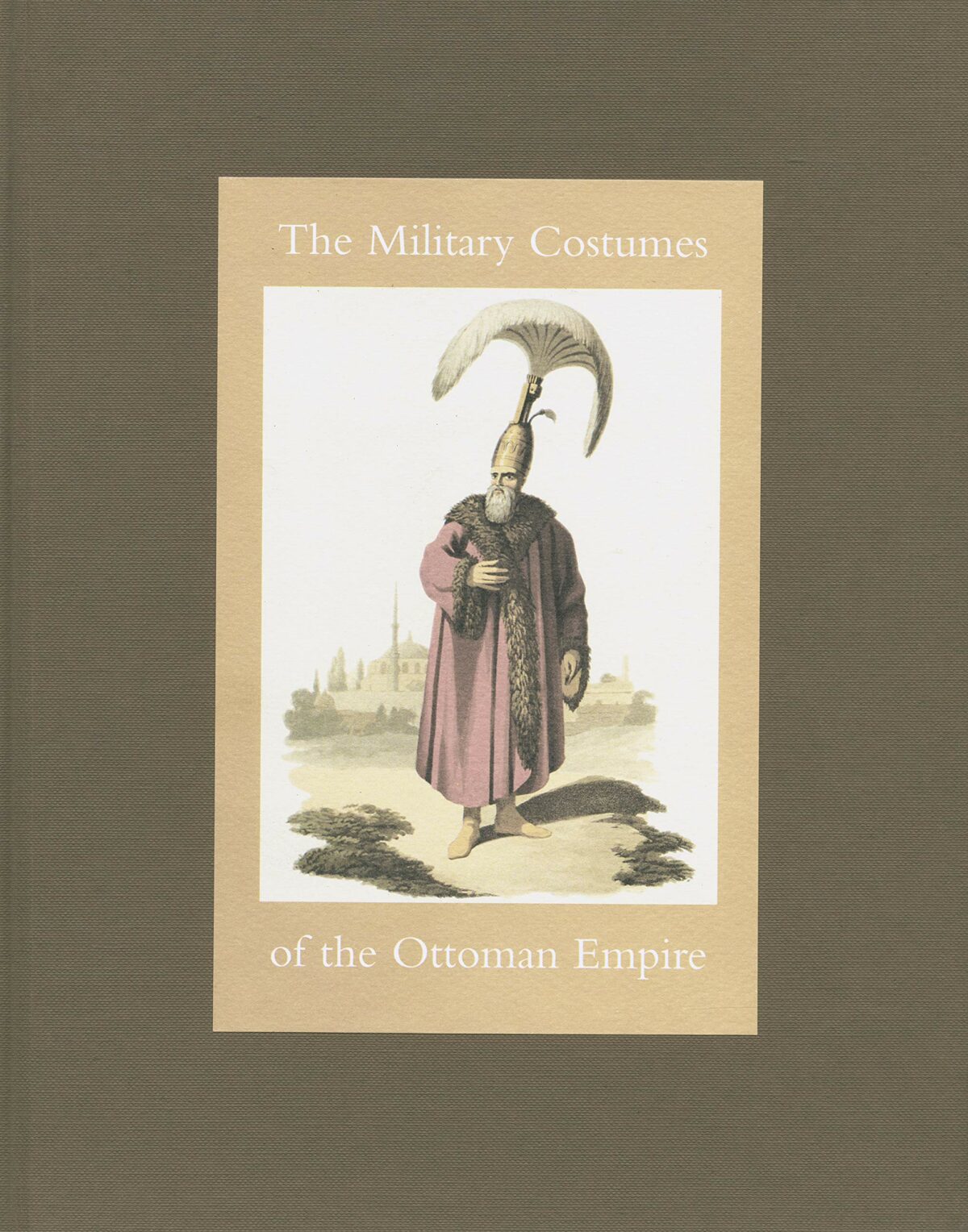
Military Costume of the Ottoma

A stunning collection of annotated plates of thirty military ranks and roles in the early nineteenth-century Imperial Ottoman army.
English writings on the Ottoman empire grew in the seventeenth century, following the establishment of official commercial relations between London and the Sublime Porte in 1580 and a permanent English diplomatic mission at Istanbul in 1583. This stunningly produced reprint of the classic The Military Costume of Turkey: Illustrated by a Series of Engravings from Drawings Made on the Spot: Dedicated by Permission to His Excellency the Minister of the Ottoman Porte to His Britannic Majesty, originally published in 1818 by London publishers Thomas McLean, features a set of annotated plates with descriptions of thirty military ranks and roles in the Imperial Ottoman army. The images, which are carefully colored by hand, depict costumes of the Ottoman army on the eve of drastic early-nineteenth-century military reforms that were to lead to major changes in army apparel. They not only reflect the way in which costume in Ottoman society was directly linked to social status, rank, and power, but also European fascination with the Ottomans’ attention to and emphasis on dress and public appearance. With an introduction by historian Tamer el-Leithy.

Witness to War and Peace

The son of a fighter pilot, raised in an air force barracks, Ahmed Aboul Gheit was privy to the confidential meetings, undisclosed memoranda, and battle secrets of Egyptian diplomacy for many decades. After a stint at military college, he began his career at the Egyptian embassy in Cyprus before later going on to become permanent representative to the United Nations and eventually, Egypt’s minister of foreign affairs under Hosni Mubarak. In this fascinating memoir, Aboul Gheit looks back on the 1973 October War and the diplomatic efforts that followed it, revealing the secrets of his long career for the first time. In vivid detail he describes the deliberations of Egypt’s political leadership in the run-up to the war, including the process of articulating Egypt’s war aims, the secret communications between President Sadat and U.S. Secretary of State Henry Kissinger, the role of the Soviet Union during the war, and the unfolding of events on the battlefront in Sinai. He then gives a detailed and deeply personal account of the arduous process of peacemaking that followed, covering the 1973 Geneva Conference, the 1977 Mena House Conference, Sadat’s visit to Israel, the 1978 Camp David Accords, and the subsequent 1979 Egyptian-Israeli Peace Treaty. From Sadat’s impassioned address to his cabinet on the eve of the war to delegations ripping out the wiring at their respective hotels, from Jimmy Carter cycling through the bungalows at Camp David to Yitzhak Shamir’s blunt admissions to his Arab counterparts in the 1991 Madrid conference, Aboul Gheit offers an information-packed, first-person account of a turbulent time in Middle Eastern history.

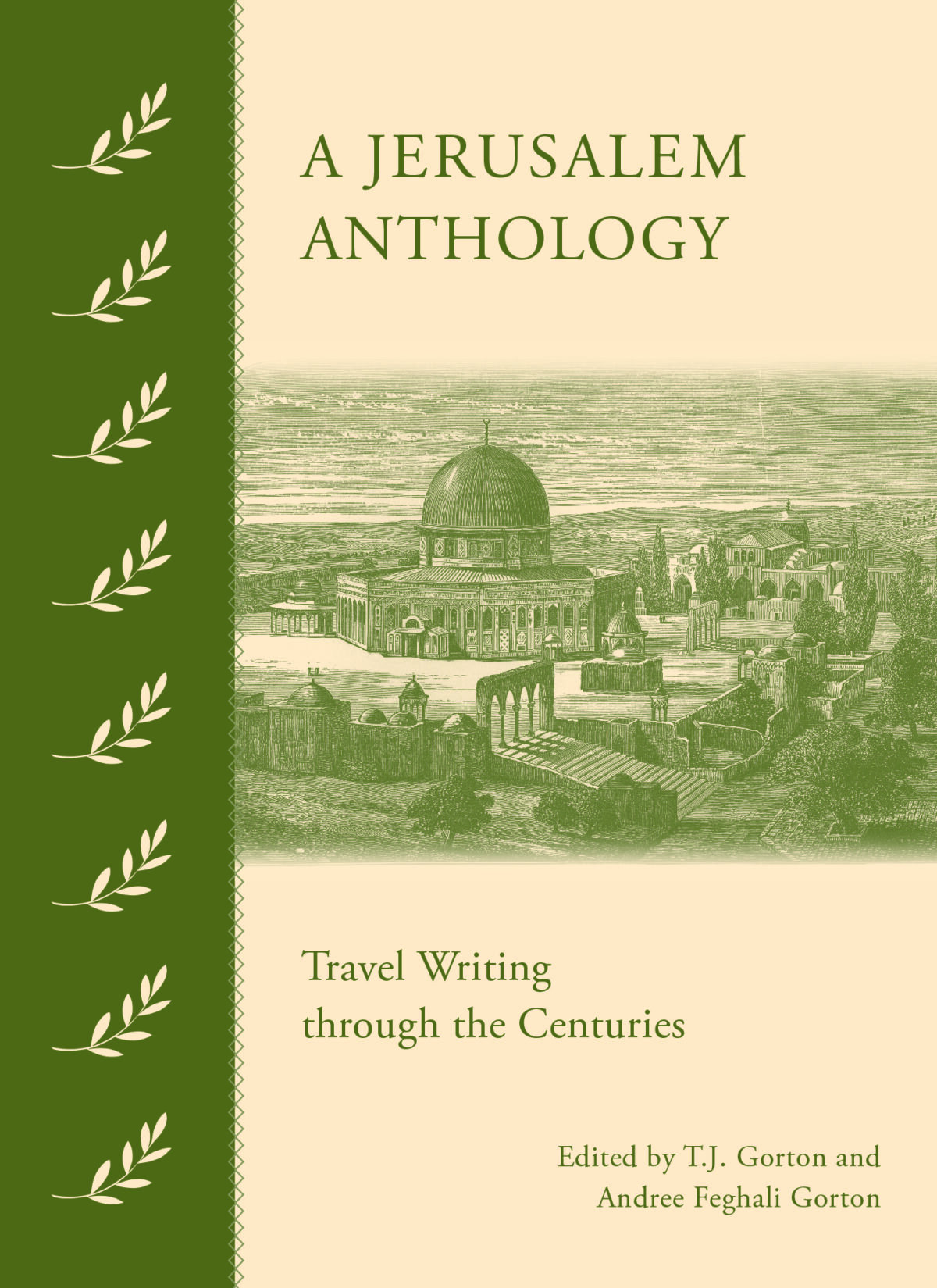
Jerusalem Anthology

(2017) The Holy City in the words of pilgrims, writers, and adventurers through the ages Jerusalem has a special status as a city that is both terrestrial and celestial. The name includes a cognate for ‘peace,’ but the old stones of the city have witnessed epic bloodshed and destruction over the centuries. The three great monotheistic religions all regard it with especial fervor, and it has for at least two millennia attracted pilgrims intent on seeing it before they die. This rich and compelling anthology of travelers’ writings attempts to convey something of the diverse experiences of visitors to this most complex and enigmatic of cities. A Jerusalem Anthology takes us on a journey through a city, not just of illusion and powerful accumulated religious emotion, but of colors, lights, smells, and sounds, an inhabited city as it was directly experienced and lived in through the ages. Memoirs of visitors such as as sixth-century AD pilgrim Saint Silvia of Bordeaux, medieval Jerusalemite al-Muqaddasi, Grand Tour voyagers Gustave Flaubert and Alexander Kinglake, the humorous Mark Twain, or the cynical T.E. Lawrence provide vivid and sometimes disturbing vignettes of the Holy City at very different times in its tumultuous history.