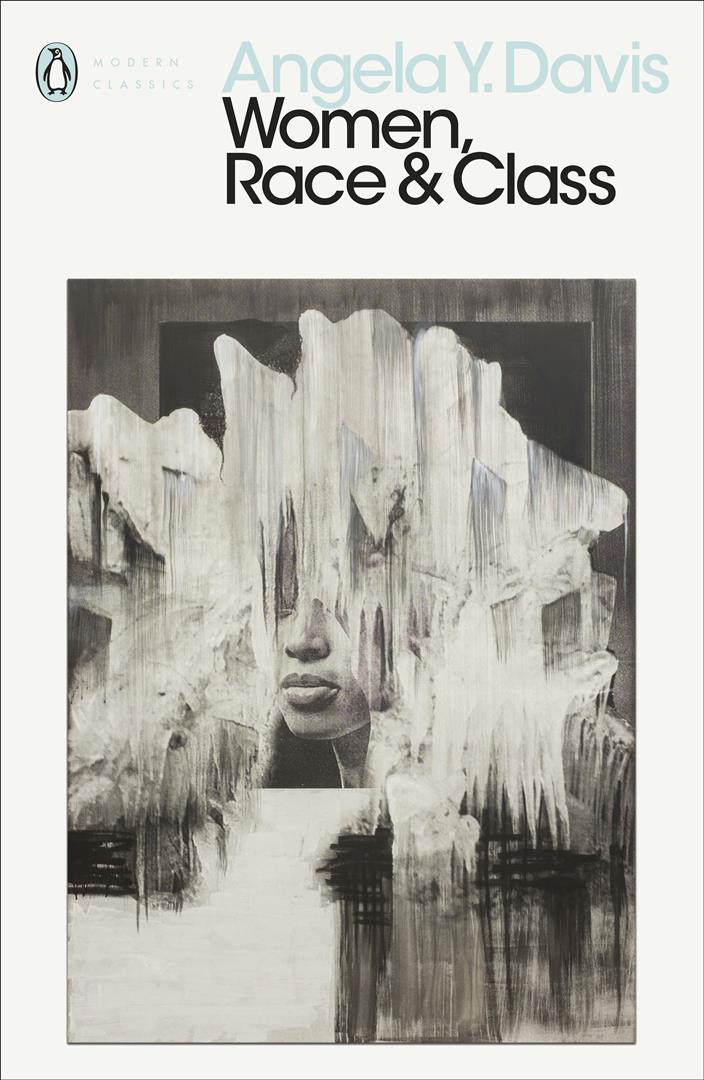
Women Race & Class

(2019) Ranging from the age of slavery to contemporary injustices, this groundbreaking history of race, gender and class inequality by the radical political activist Angela Davis offers an alternative view of female struggles for liberation. Tracing the intertwined histories of the abolitionist and women’s suffrage movements, Davis examines the racism and class prejudice inherent in so much of white feminism, and in doing so brings to light new pioneering heroines, from field slaves to mill workers, who fought back and refused to accept the lives into which they were born. ‘The power of her historical insights and the sweetness of her dream cannot be denied’ The New York Times
Infinite Game

(2020) The New York Times-bestselling author of Start With Why, Leaders Eat Last, and Together Is Better offers a bold new approach to business strategy by asking one question: are you playing the finite game or the infinite game? In The Infinite Game, Sinek applies game theory to explore how great businesses achieve long-lasting success. He finds that building long-term value and healthy, enduring growth – that playing the infinite game – is the only thing that matters to your business.

My Grandmother’s Hands

(2021) ‘Insightful, thought-provoking and profound. I can’t recommend highly enough’ Sunny Singh ‘A revolutionary work of beauty, brilliance, compassion and ultimately, hope’ Robin DiAngelo The consequences of racism can be found in our bodies – in skin and sinew, in bone and blood. In this ground-breaking, inspiring work, therapist Resmaa Menakem examines the damage, the physical consequences of discrimination, from the perspective of body-centred psychology. He argues that until we learn to heal and overcome the generational anguish of white supremacy, we will all continue to bear its scars. My Grandmother’s Hands is an extraordinary call to action for all of us to recognize that racism affects not only the mind, but also the body, and introduces an alternative view of what we can do to grow beyond our racial divides.

الراهبة الغجرية

الليل امرأةٌ بمعطف أسود طويل تسدله علينا، وتعلِّق مصباحًا أصفر فوقنا يشع ضوءًا وظلالًا، تخبئ تحت معطفها كل الرغبات الجامحة والأحلام التي تتملكنا. تسكرنا بالذكريات، تجعلنا نبكي، نحب، ونتذكر الراحلين. لو كان الليل إلهًا وثنيًّا لقدَّموا له عاشقيْن أمسكهما الناس، وهما يخطفان قُبلةً في ضوء القمر وهو يُغوي البشر بالحب. تتبَّعته فتحية دون أن يدري. كان ذاهبًا كالمعتاد ليلةَ الخميس إلى أصدقائه، حيث يتبارون في إبراز تفوقهم، وقد دأبوا منذ شهور على التسابق بعرباتهم الكارو، التي تجرها أحصنتهم. هذه المرة لم يستطع أحدٌ تحدي مالك؛ فقد فاز بالسباق في آخر خمس مرات. صرخ فيهم: من يستطيع هزيمتي هذه المرة؟ قال جملته وهو يُعدُّ الحصان للسباق. فألبسه الشكيمة بين فكيه، ثم مرر اللجام من الحلقات الدائرية، وأحكم وضع السيور على ظهره. وشدَّها جيدًا بيديه. تضاحكوا، تغامزوا بأقوال كثيرة، ليهربوا من الحقيقة التي يدركونها تمامًا. لا أحد يستطيع مجاراة مالك إذا تعلق الأمر بالأحصنة والتحدي! إلى أن دوى صوتٌ أنثويٌّ. رَعد لحظة بينهم. كانت فتحية.. التفت مالك فوجدها بقامتها المنتصبة، وابتسامة هازئة. خفتت الأصوات والضحكات، وحلَّ الصمت. ترك مالك اللجام، واتجه إليها بحاجبيه المرفوعين ويديه اللتين تمشتا على شعر رأسه، بحركات بطيئة، ليستفسر أكثر عن وجودها المفاجئ. ردَّت وهي تبتسم تلك الابتسامة السابقة: أنت عرضتَ الرهان، وأنا قبلتُ.

طهران الضوء القاتم

لقد صودرت هذه الرواية أكثر من مرة وكاد چهلتن يُسجَن بسببها، لولا هروبه إلى ألمانيا بمساعدة بعض الكُتَّاب، بعد تعرُّضه لعدة محاولات اغتيال على يد المخابرات الإيرانية. وروايات چهلتن نابعة من صميم الثقافة المحليَّة، ومُتكئة على خصوصية مدينة طهران، وتكمن قوة هذه الرواية في أنها تصوِّر الفساد الاجتماعي والنفاق الأخلاقي لإيران في عهد الثورة الخُمينيَّة، وتستدعي التاريخ الإيراني بكل إخفاقاته ونجاحاته، وتمزج الواقعيّ بالمُتخيَّل، واللغة الفصحى بالدارجة، وبذلك تُعطي صورة حقيقيَّة للمُجتمع الإيراني.

Treasures of the Egyptian Muse

The Egyptian Museum in Cairo: a palace of priceless treasures, the largest collection of ancient Egyptian artifacts in the world, covering more than three thousand years of Egypt’s history, from its Predynastic origins to the Roman period. In this spectacular book, curators of Egyptian collections around the world survey the contents of the Egyptian Museum. Over 400 items on display are described and illustrated in full color, from little-known but important objects to pieces that have amazed the world, like the mesmerizing gold mask of Tutankhamun. Stunning photography combined with impeccable scholarship show off the priceless treasures of the Egyptian Museum at their very best. “Turning through its pages,” writes H.E. Mrs. Suzanne Mubarak in her Introduction to the book, “has given me immense pleasure and awakened in me once again a sense of awe and wonder at the glory and the humanity of the people who lived in the land of Egypt all those thousands of years ago.” Contributors: Zahi Hawass, Mohammed Saleh, Christine Ziegler, Dieter Arnold, Adela Oppenheim, Dietrich Wildung, Francesco Tiradritti, Anna Maria Roveri Donadoni, Jean Yoyotte, Herman de Meulenaere, Edna Russman, Donald Bailey.

Making Film in Egypt – How Labor

(2021) An ethnographic study of the Egyptian film industry The enormous influence of the Egyptian film industry on popular culture and collective imagination across the Arab world is widely acknowledged, but little is known about its concrete workings behind the scenes. Making Film in Egypt provides a fascinating glimpse into the lived reality of commercial film production in today’s Cairo, with an emphasis on labor hierarchies, production practices, and the recent transition to digital technologies. Drawing on in-depth interviews and participant observation among production workers, on-set technicians, and artistic crew members, Chihab El Khachab sets out to answer a simple question: how do filmmakers deal with the unpredictable future of their films? The answer unfolds through a journey across the industry’s political economy, its labor processes, its technological infrastructure, its logistical and artistic work, and its imagined audiences. The result is a complex and nuanced portrait of the Arab world’s largest film industry, rich in ethnographic detail and theoretical innovations in media anthropology, media studies, and Middle East anthropology.

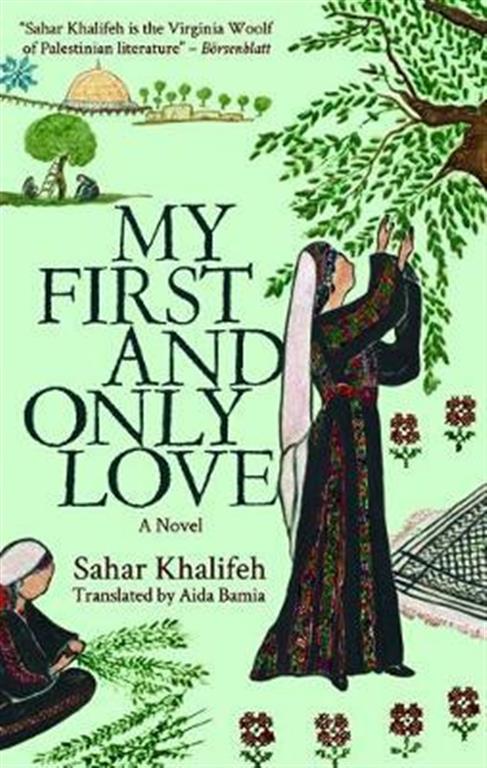
My First and Only Love

The latest novel from renowned Palestinian writer Sahar Khalifeh, a deeply poetic account of love and resistance through a young girl’s eyes

Nidal, after many decades of restless exile, returns to her family home in Nablus, where she had lived with her grandmother before the 1948 Nakba that scattered her family across the globe. She was a young girl when the popular resistance began and, through the bloodshed and bitter struggle, Nidal fell in love with freedom fighter Rabie. He was her first and only real love—him and all that he represented: Palestine in its youth and spring, the resistance fighters in the hills, the nation as embodied in her family home and in the land.

Many years later, Nidal and Rabie meet, and he encourages her to read her uncle Amin’s memoirs. She immerses herself in the details of her family and national past and discovers that her absent mother had been nurse and lover to Palestinian leader Abdel-Qader al-Husseini.

Set in the final days of the British Mandate, Sahar Khalifeh’s spins an epic tale filled with emotional urgency and political immediacy.

Amarna A Guide To The Ancient

Creating Spaces of Hope

Creating Spaces of Hope explores some of the newest, most dynamic creativity emerging from young artists in Egypt and the way in which these artists engage, contest, and struggle with the social and political landscape of post-revolutionary Egypt.
How have different types of artists—studio artists, graffiti artists, musicians and writers—responded personally and artistically to the various stages of political transformation in Egypt since the January 25 revolution? What has the political or social role of art been in these periods of transition and uncertainty? What are the aesthetic shifts and stylistic transformations present in the contemporary Egyptian art world?
Based on personal interviews with artists over many years of research in Cairo, Caroline Seymour-Jorn moves beyond current understandings of creative work primarily as a form of resistance or political commentary, providing a more nuanced analysis of creative production in the Arab world. She argues that in more recent years these young artists have turned their creative focus increasingly inward, to examine issues having to do with personal relationships, belonging and inclusion, and maintaining hope in harsh social, political and economic circumstances. She shows how Egyptian artists are constructing “spaces of hope” that emerge as their art or writing becomes a conduit for broader discussion of social, political, personal, and existential ideas, thereby forging alternative perspectives on Egyptian society, its place in the region and in the larger global context.