في أدب الصداقة

لم تكتب هذه الرسائل بقصد النشر أصلاً، كما هو حال بعض المراسلات الأدبية الشهيرة عندنا، تقرر نشرها بعد وفاة عبد الرحمن بمبادرة مشكورة من سعاد قوادري منيف ومروان، ولا شك عندي بأن عبد الرحمن كان سيوافق لو سئل، فهذه المراسلات قصة صداقة، صداقة سابقة على بدء التراسل.

إلى الصداقة، تشكل هذه الرسائل شهادات نادرة عن عملية الإنتاج الأدبي والفني والعلاقة بينهما، يصمت الصديقان وتنقطع المراسلة بينما لأشهر إبان غزو الاميركي للعراق، يكسر عبد الرحمن الصمت شارحاً السبب: الحزن والإحباط، يعتصم عبد الرحمن بالحكمة الشعبية “إذا ما خربتْ ما بتعمر”، ويستقوي مروان بقول سعد الله ونوس “لقد حكم علينا بالأمل”.

حكايات من ضيعة الأرامل و وقائع من أرض الرجال

ندين لكولومبيا بالبنّ و ماركيز و الواقعية السحرية. الرواية تتقاطع مع عزلة ماركيز فهناك ماكوندو و هنا ماريكيتا و قد أتى ذكر روايته أكثر من مرة في هذه الحكاية بل وصل الأمر بالكاتب إلى مغازلة ماركيز حيث أكد في مقابلة صحفية على أن السطر الأخير من روايته هو في الحقيقة ليس أكثر من رد على السطر الأخير من رواية ماركيز. غير أن الرواية تتناول موضوعاً مختلفاً و تضج بالسخرية أيضاً و الكثير من قصص الحب و الجنس على النمط اللاتيني. ليست بالسطحية التي ظهرت بالفيلم المصور عن الرواية. يقتحم الثوار كما جرت العادة قرية ماريكيتا طلباً لبعض الصدقات و الجنود في خطبة عصماء تعد بالحرية و العدالة للجميع. و بما أن سكان القرية اعتادوا على هذا الهراء من جماعات الثوار و أحزاب المليشيا و حتى الجيش النظامي دفعوا إليهم بقايا الطعام و حفنة من النقود و طالبوهم بأن يتوقفوا عن إزعاجهم. جُنّ جنون الثوار و قاموا بسرقة كل شيء و قتل كل من يتوهم البطولة ثم ألحقوا كل من بلغ الثانية عشر بجيشهم البوليفاري – باستثناء الخوري الذي تواتيه الفرصة ليكون نبياً، فالخوري يشكو من لوثة – و لم يفوتوا فرصة اغتصاب كل امرأة جميلة. و بين ليلة و ضحاها تغدو القرية مليئة بالأرامل. تسود الفوضى و النفايات فقد كان على عاتق الرجال مسئولية النظام و التنظيف و مسئوليات شخصية أخرى. تستمر الحكاية و يتخللها شهادات و اعترافات قصيرة من الثوار و الجنود عن الدم و الوحشية و الدناءة التي في وسع المرء أن يهوي إليها. تبرز الحاجة إلى الإنجاب و هنا يبذل الخوري تضحية قد تعطل من مدة إقامته في المطهر على حد قوله. ستمر القرية بمراحل عدة حيث ستتولى إحداهن القيادة و هي امرأة لا تخلو من لوثة أيضاً ثم تجرب القرية الفسلفة الاشتراكية حيث يمكن الاستقادة من بعض الدجاجات و الخنازير بشكل أكبر. و عندما يعود أربعة من الرجال إلى القرية بعد 16 سنة تكون ماريكيتا قرية أخرى بمفاهيم مختلفة عن الحب و الحياة و حتى الزمن

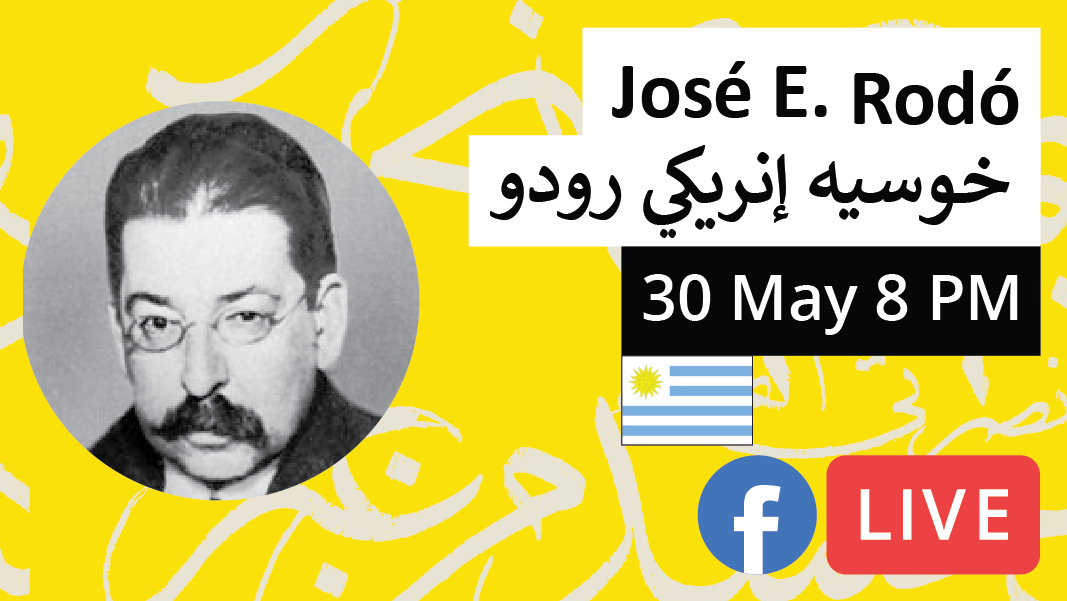
LALW | Prof. Alejandro Casares’ presentation on José Enrique Rodó

For our eighth and last event, in the series, we are pleased to host a presentation in memory of the renowned Uruguayan writer, philosopher, & educator José Enrique Rodó. The talk will be given by Prof. Alejandro Cásares, a member of the Rodonian Society of Uruguay.
The presentation is part of the ongoing events of the Latin American Literature Week in Diwan, in collaboration with 15 Latin American embassies in Cairo.

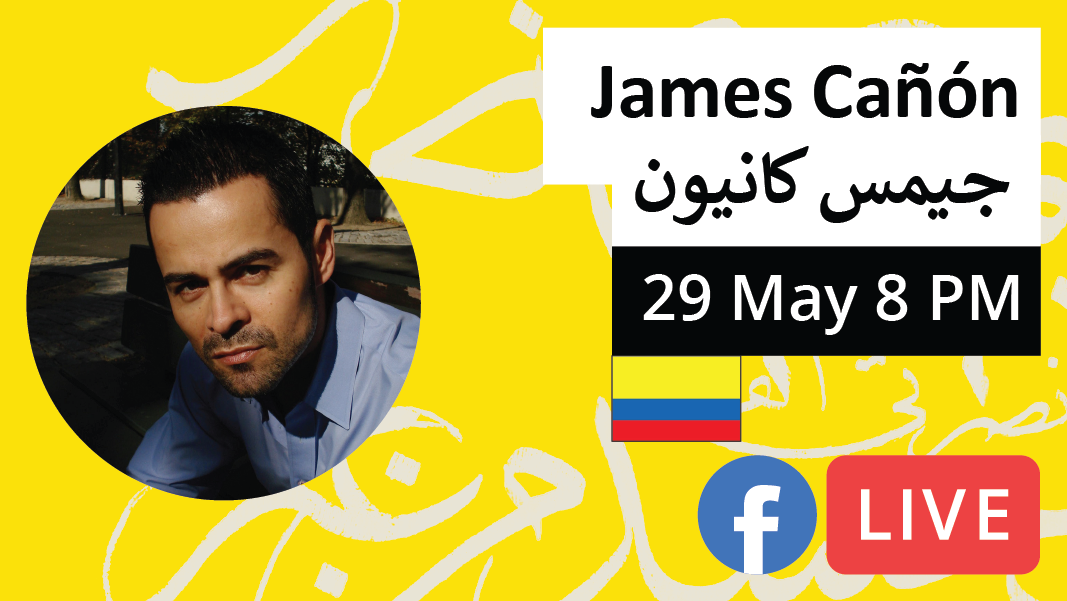
LALW | Interview with James Cañón

For our seventh event in the series, we are pleased to host the renowned Colombian author James Cañón in an interview on his novel “Tales from the Town of Widows” حكايات من ضيعة الأرامل ووقائع من أرض الرجال -. The author will be interviewed by Diwan’s Nada Elshabrawy.
The interview is part of the ongoing events of the Latin American Literature Week in Diwan, in collaboration with 15 Latin American embassies in Cairo.

LALW | Interview with Laura Esquivel

For our sixth event in the series, we are pleased to host the renowned Mexican author Laura Esquivel in an interview on her book “Like Water for Chocolate” كالماء للشوكولاتة. The author will be interviewed by Diwan’s Layal Al-Rustom.
The interview is part of the ongoing events of the Latin American Literature Week in Diwan, in collaboration with 15 Latin American embassies in Cairo.

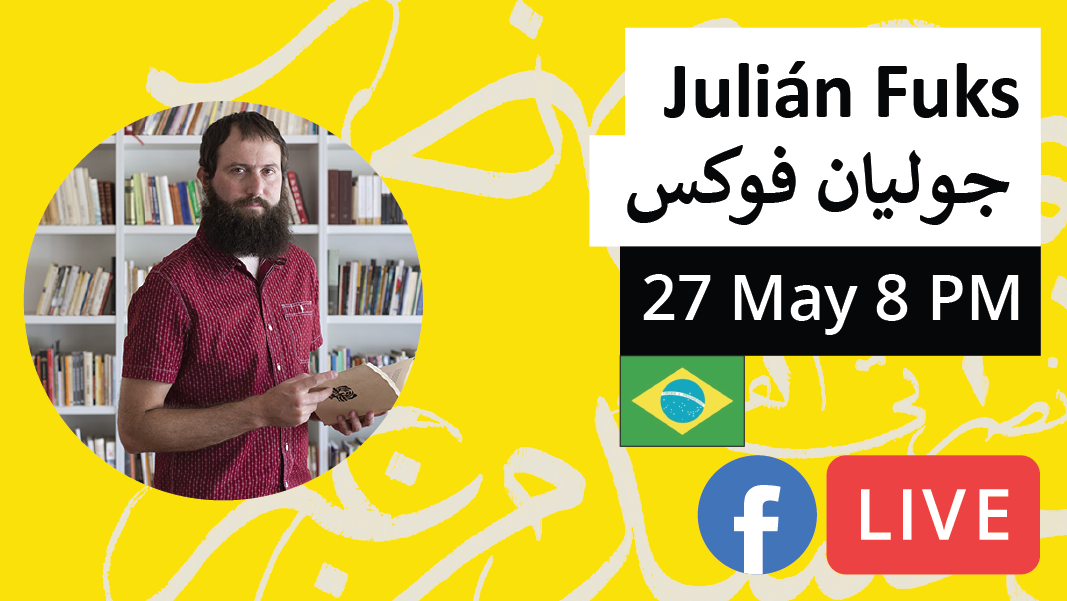
LALW | Interview with Julián Fuks

For our fifth event, in the series, we are pleased to host the renowned Brazilian author Julián Fuks in an interview on his novel Resistance مقاومة -. The author will be interviewed by prominent Egyptian novelist and writer Dr. Rasha Samir.
The interview is part of the ongoing events of the Latin American Literature Week in Diwan, in collaboration with 15 Latin American embassies in Cairo.

LALW | Interview with Claudia Piñeiro

For our fourth event in the series, we are pleased to host the renowned Argentinean author Claudia Piñeiro in an interview on her book Widows of Thursday أرامل الخميس -. The author will be interviewed by Diwan’s Amal Mahmoud.
The interview is part of the ongoing events of the Latin American Literature Week in Diwan, in collaboration with 15 Latin American embassies in Cairo.

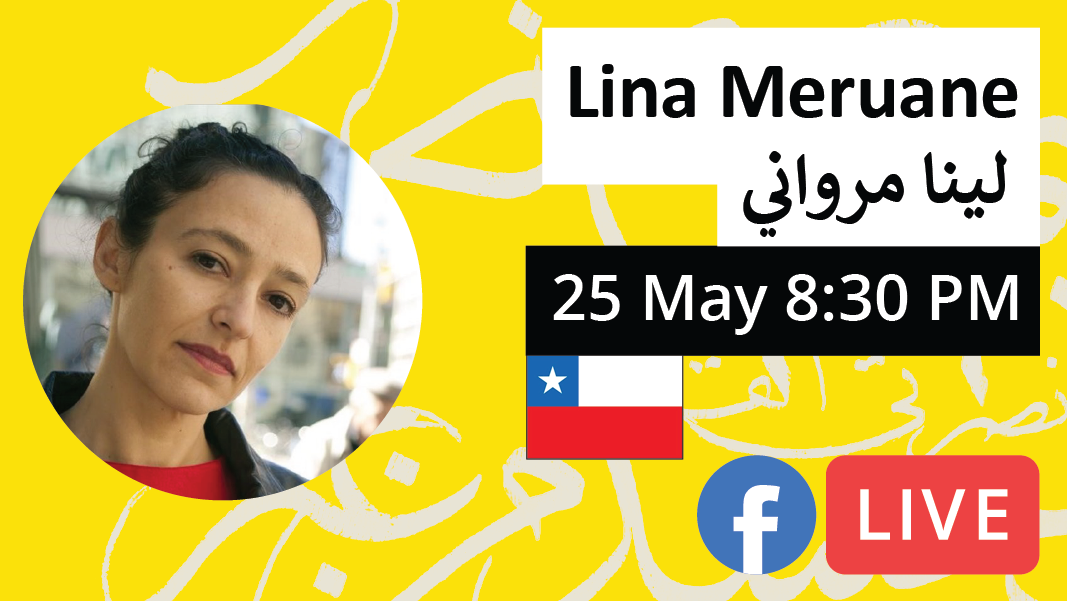
LALW | Interview with Lina Meruane

For our third event in the series, we are pleased to host the renowned Chilean author Lina Meruane in an interview on her book BECOMING PALESTINE أن تعودي فلسطين -. The author will be interviewed by Diwan’s Nada Elshabrawy.
The interview is part of the ongoing events of the Latin American Literature Week in Diwan, in collaboration with 15 Latin American embassies in Cairo.

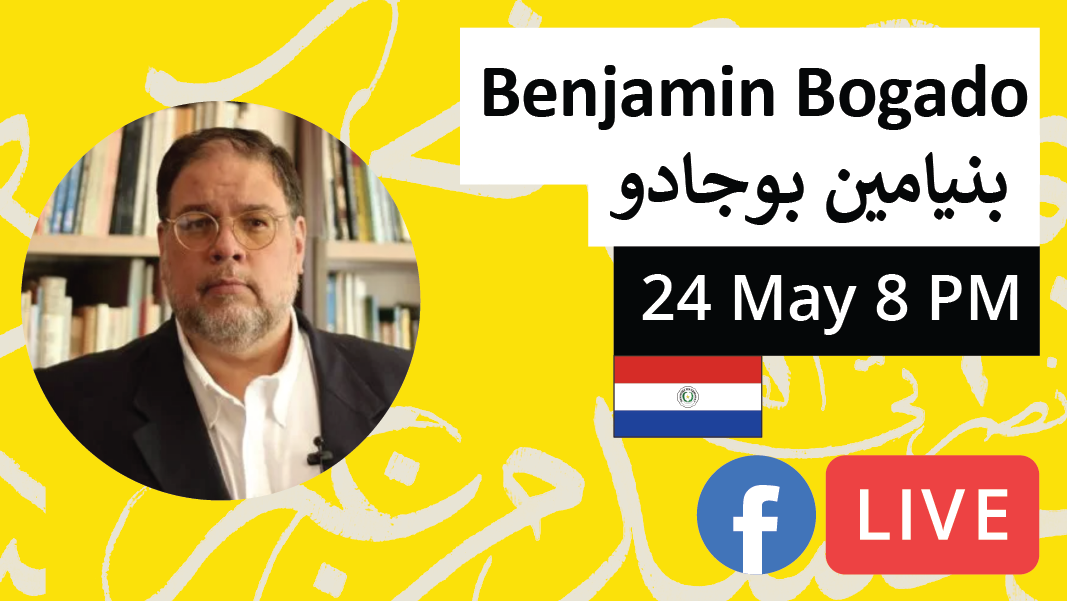
LALW | Benjamin Fernandez Bogado’s talk on “The Pandemic Garden”

For our second event, in the series, we are pleased to host the renowned Paraguayan author and professor Dr. Benjamin Fernández Bogado in a live talk entitled “Paraguay: A Garden in the Middle of the Unknown”, where he will discuss his latest book El JARDIN PANDÉMICO (A PANDEMIC GARDEN).
The talk is part of the ongoing events of the Latin American Literature Week in Diwan, in collaboration with 15 Latin American embassies in Cairo.

LALW | Interview with Nancy Morejón

For our first event in the series, we are pleased to host the renowned Cuban poet and critic Nancy Morejón in a live interview on her works with Arabic language professor Dr. Manar El-Halwany.
The interview is part of the ongoing events of the Latin American Literature Week in Diwan, in collaboration with 15 Latin American embassies in Cairo.