Matisse

(2016) Le Bonheur de Vivre: The vital colors and shapes of a modernist master

The work of Henri Matisse (1869 1954) reflects an ongoing belief in the power of brilliant colors and simple forms. Though famed in particular for his paintings, Matisse also worked with drawing, sculpture, lithography, stained glass, and collage, developing his unique cut-out medium when old age left him unable to stand and paint.

Matisse s subjects were often conventional: nudes, portraits, and figures in landscapes, Oriental scenes, and interior views, but in his handling of bold color and fluid draftsmanship, he secured his place as a 20th-century master. It was Matisse s palette that particularly thrilled the modern imagination. With vivid blue, amethyst purple, egg-yolk yellow, and many shades beyond he liberated his work from a meticulous representation of reality and sought instead a vital harmony, often referring to music as an inspiration or analogy for his work.

From vast patterned panels to simple and tender portraits, this book introduces the full reach and creativity of Matisse s career, spanning his early work within the Fauvism movement right through to his latter-year projects such as Jazz and the Chapelle du Rosaire in Vence.

About the series:

Each book in TASCHEN s Basic Art series features:

a detailed chronological summary of the life and oeuvre of the artist, covering his or her cultural and historical importance

a concise biography

approximately 100 illustrations with explanatory captions
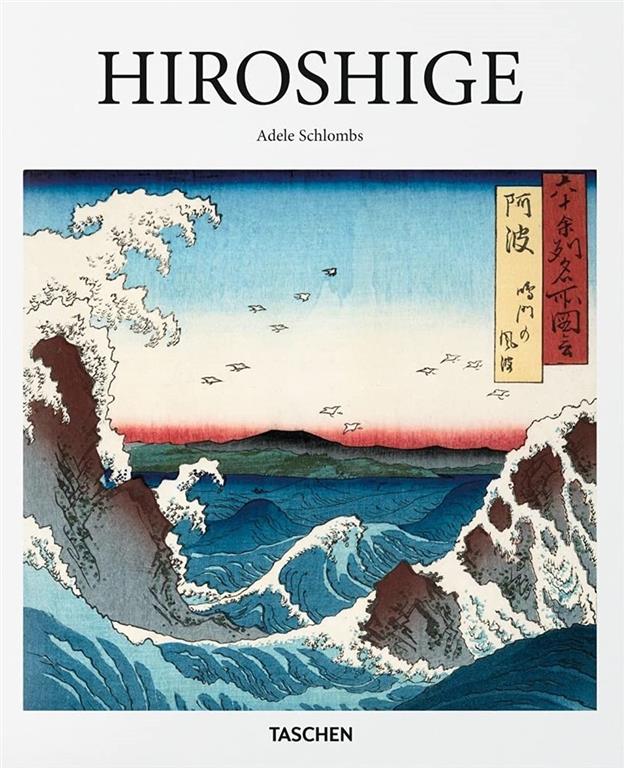
Hiroshige (Taschen Basic Art Series)

(2016) Utagawa Hiroshige (1797-1858) was one of the last great artists in the ukiyo-e tradition. Literally meaning “pictures of the floating world”, ukiyo-e refers to the famous Japanese woodblock print genre that originated in the 17th century and is practically synonymous with the Western world’s visual characterization of Japan. Though Hiroshige captured a variety of subjects, his greatest talent was in creating landscapes of his native Edo (modern-day Tokyo) and his most famous work was a series known as “100 Famous Views of Edo” (1856-1858). This book provides an introduction to his work and an overview of his career.

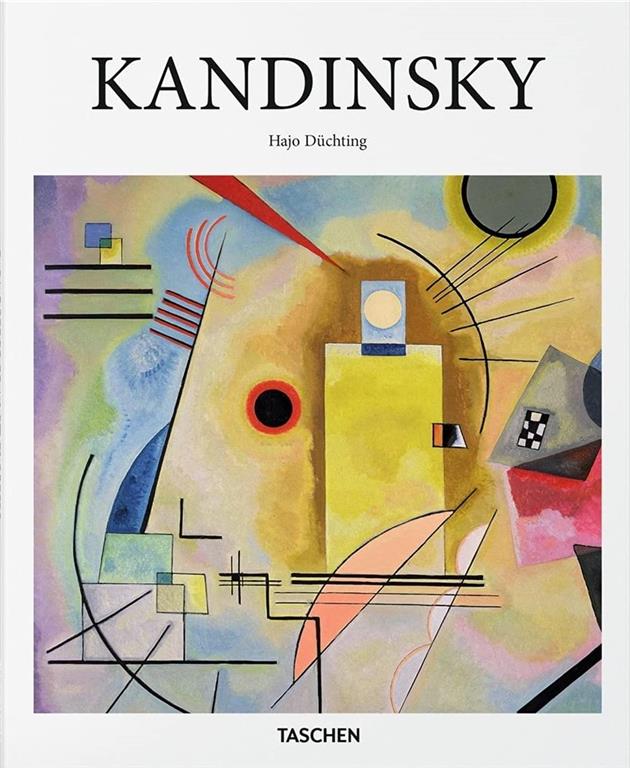
Kandinsky

(2015) TOver the course of his artistic career, Wassily Kandinsky (1866-1944) transformed not only his own style, but the course of art history. From early figurative and landscape painting, he went on to pioneer a spiritual, emotive, rhythmic use of color and line and is today credited with creating the first purely abstract work. As much a teacher and theorist as he was a practicing artist, Kandinsky’s interests in music, theater, poetry, philosophy, ethnology, myth, and the occult, were all essential components to his painting and engraving. He was involved with both the influential Blaue Reiter and Bauhaus groups and left a legacy not only of dazzling visual work, but also of highly influential treatises such as Concerning the Spiritual in Art. Key tenets included the connections between painting, music and mystical experience, and the purification of art away from material realism and towards an emotional expression, condensed in particular by color. This book presents key Kandinsky works to introduce his repertoire of vivid colors, forms, and feelings. Tracing the artist’s radical stylistic development, it shows how one painter’s progression paved the way for generations of abstract expression to come.

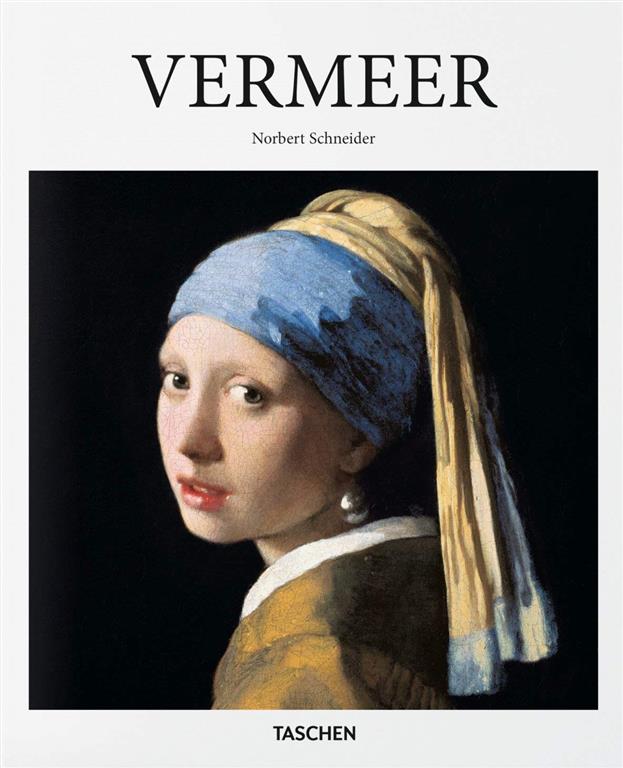
Vermeer

(2016) Though numbering just 35 known works, the uvre of Johannes Vermeer (1632-1675) is hailed as one of the most important and inspiring portfolios in art history. His paintings have prompted a New York Times best seller, a film starring Scarlett Johansson, and record visitor numbers at art institutions from Amsterdam to Washington. Vermeer’s subjects focus on daily domestic activities, from letter writing to music playing to preparations in the kitchen. The scenes astound with their meticulous detail, majestic planes of light, and with Vermeer’s extraordinary ability to draw out narrative intrigues. In such beloved paintings as Lady Standing at a Virginal, A Lady Writing a Letter with Her Maid and, most famously, the enigmatic, wide-eyed, and enchanting Girl with a Pearl Earring, Vermeer evokes not only the effects of substance and texture, but also the many stories and secrets that reside beneath the surface. Featuring all Vermeer’s known works and succinct, accessible texts, this essential introduction explores Vermeer’s leading place in art history and his unique ability to transform oil paint into a living, breathing scene of human life.

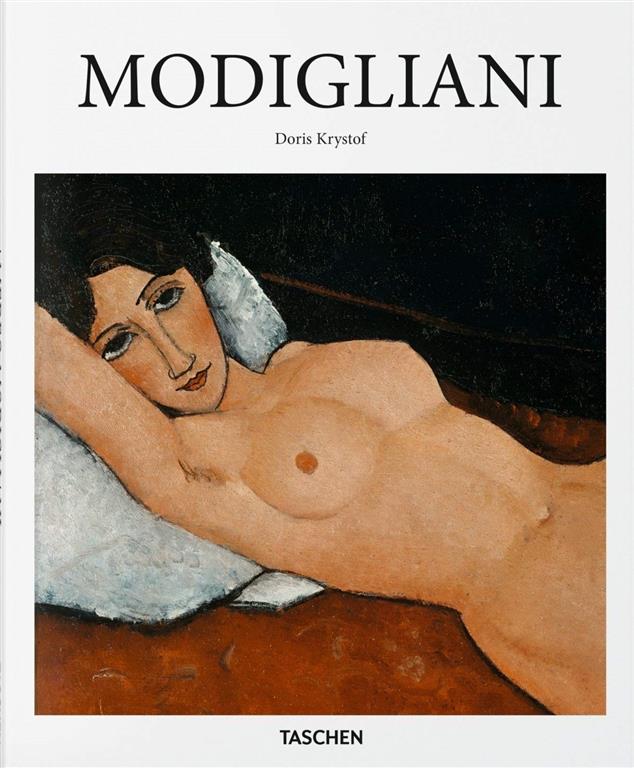
Modigliani

Kahlo

(2015) The arresting pictures of Frida Kahlo (1907 54)were in many ways expressions of trauma. Through a near-fatal road accident at the age of 18, failing health, a turbulent marriage, miscarriage and childlessness, she transformed the afflictions into revolutionary art.

In literal or metaphorical self-portraiture, Kahlo looks out at the viewer with an audacious glare, rejecting her destiny as a passive victim and rather intertwining expressions of her experience into a hybrid surreal-real language of living: hair, roots, veins, vines, tendrils and fallopian tubes. Many of her works also explore the Communist political ideals which Kahlo shared with her husband Diego Rivera. The artist described her paintings as the most sincere and real thing that I could do in order to express what I felt inside and outside of myself.

This book introduces a rich body of Kahlo s work to explore her unremitting determination as an artist, and her significance as a painter, feminist icon, and a pioneer of Latin American culture.

About the Series:

Each book in TASCHEN s Basic Art series features: a detailed chronological summary of the life and oeuvre of the artist, covering his or her cultural and historical importance

a concise biography

approximately 100 illustrations with explanatory captions
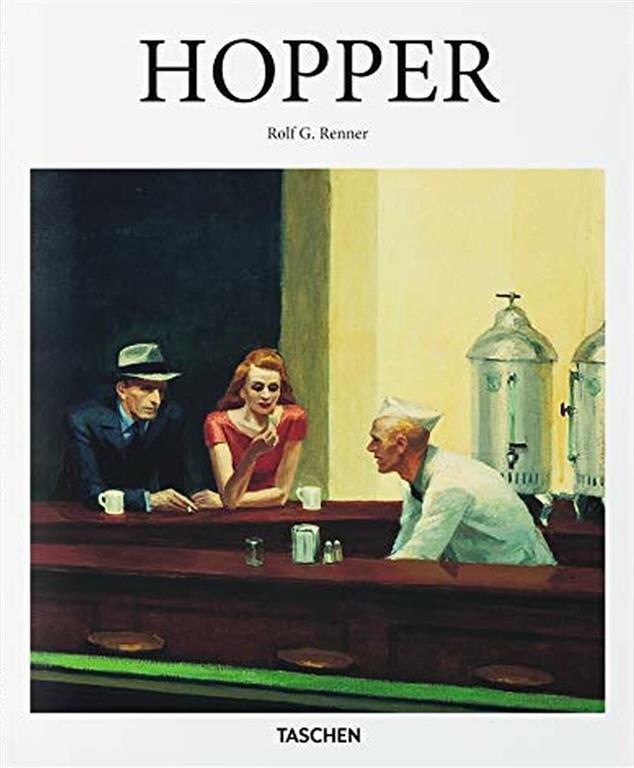
Hopper

(2015) Urban loneliness

One of the greatest realists of American art

Edward Hopper (1882 1967) is considered as one of the first important American painters in 20th century art. After decades of patient work, Hopper enjoyed a success and popularity that since the 1950s has continually grown. In canvas after canvas he painted the loneliness of urban people. Many of Hopper s pictures represent views of streets and roads, rooftops, and abandoned houses, depicted in a brilliant light that strangely belies the melancholy mood of the scenes.

Hopper s paintings are marked by striking juxtapositions of color, and by the clear contours with which the figures are demarcated from their surroundings. His extremely precise focus on the theme of modern men and women in the natural and man-made environment sometimes lends his pictures a mood of eerie disquiet. On the other hand, Hopper s renderings of rocky landscapes in warm brown hues, or his depictions of the seacoast, exude an unusual tranquillity that reveals another, more optimistic side of his character.

About the Series:

Each book in TASCHEN s Basic Art series features: a detailed chronological summary of the life and oeuvre of the artist, covering his or her cultural and historical importance

a concise biography

approximately 100 illustrations with explanatory captions
Rawi Issue 10

Rawi Issue 9

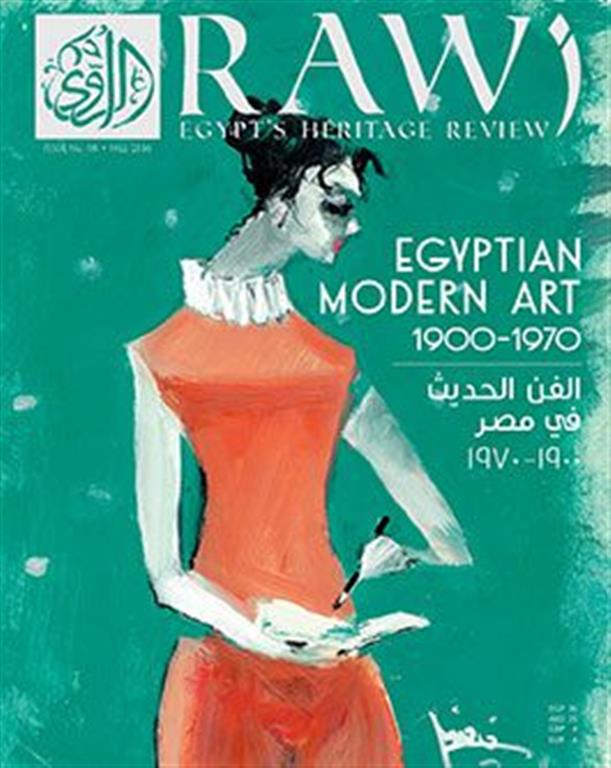
Rawi Issue 8