Logo Design. Global Brands: LOGO DESIGN VOL. 2

(2019) Following up on the best-selling Bibliotheca Universalis logo manual, this second volume focuses on corporate identity. In a globalized world, more and more symbols convey values ??such as trust, quality, or reliability. This catalog comprehensively breaks down how texts, images, and ideas are condensed into distinctive brands.

From airlines and groceries, sportswear and computers, museums, and magazines, to car brands, music labels, pharmaceuticals, and internet portals, this band offers around 4,500 brand logos including complete background information about designers, year of origin, and country, as well as brands and companies. A great reference book for anyone interested in the ideas and concepts that branding is based on.

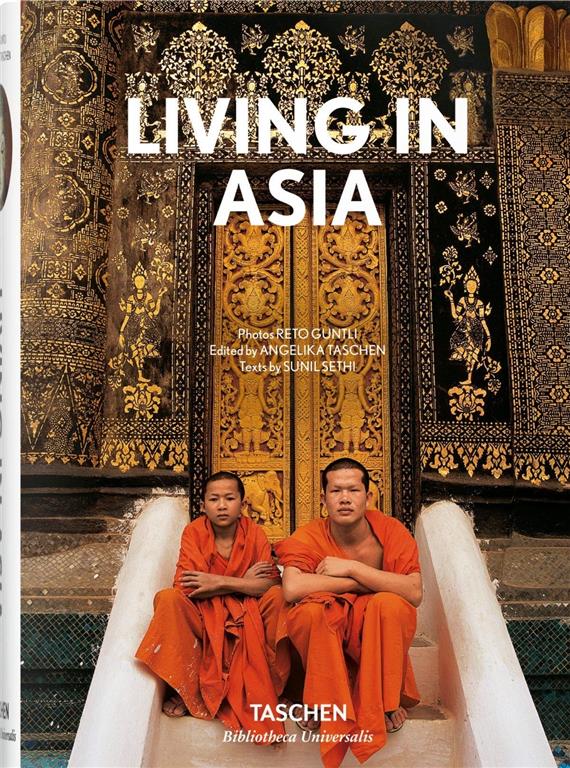
Living in Asia, Vol. 1

(2019) Traditional architecture meets cutting-edge design in this compact showcase of Asian living. Traveling across Tibet, Nepal, India, Sri Lanka, Myanmar, Thailand, Laos, Cambodia, Singapore, and Malaysia, we enter the Shiv Niwas Palace featured in Octopussy, gilded Tibetan monasteries, a high-rise overlooking the Singaporean skyline, and many more…

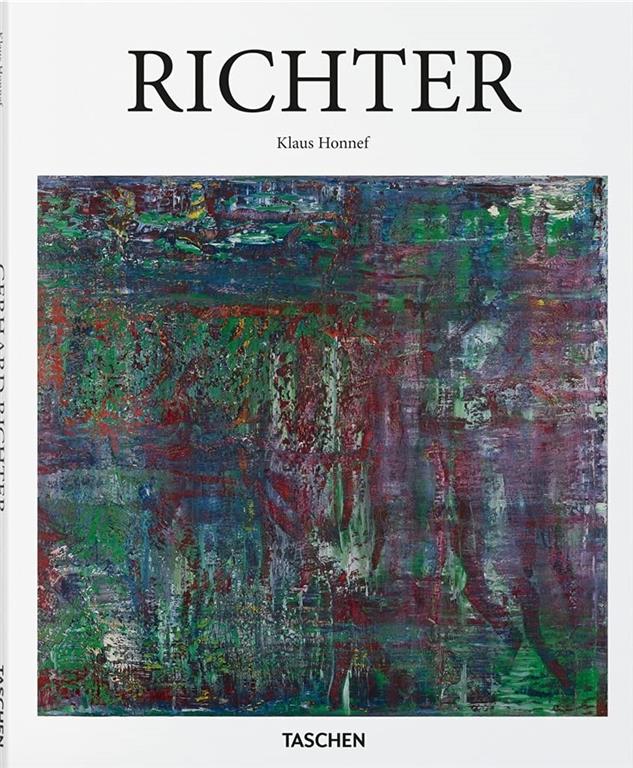
Richter

(2019) An encounter with Gerhard Richter, the German artist who widened horizons in the relationship between painting and reality. From early photographic paintings, along with his famous RAF cycle, to late abstract paintings, experiencing Richter’s work always offers us the unexpected and unseen. Where he once set out to liberate the medium from ideological ballast, today, faced with the overwhelming presence of digital images, he shows us the unsurpassed impact and intensity of painting. A definitive introduction to one of the greatest artists of our time spanning not only his entire career, but also 50 years of cultural, economic, and political events.

Contemporary Japanese Architecture

(2021) The contemporary architecture of Japan has long been among the most inventive in the world, recognized for sustainability and infinite creativity. No fewer than seven Japanese architects have won the Pritzker Prize.

Since Osaka World Expo ’70 brought contemporary forms center stage, Japan has been a key player in global architecture. With his intentionally limited vocabulary of geometric forms, Tadao Ando has since then put Japanese building on the world’s cultural map, establishing a bridge between East and West. In the wake of Ando’s mostly concrete buildings, figures like Kengo Kuma (Japan National Stadium intended for the Olympic Games, originally planned for 2020), Shigeru Ban (Mount Fuji World Heritage Center), and Kazuyo Sejima (Kanazawa Museum of 21st Century Art of Contemporary Art) pioneered a more sustainable approach. Younger generations have successfully developed new directions in Japanese architecture that are in harmony with nature and connected to traditional building. Rather than planning on the drawing board, the architects presented in this collection stand out for their endless search for forms, truly reacting on their environment.

Presenting the latest in Japanese building, this book reveals how this unique creativity is a fruit of Japan’s very particular situation that includes high population density, a modern, efficient economy, a long history, and the continual presence of disasters in the form of earthquakes. Accepting ambiguity, as seen in the evanescent reflections of Sejima’s Kanazawa Museum, or constant change and the threat of catastrophe is a key to understanding what makes Japanese architecture different from that of Europe or America.

This XL-sized book highlights 39 architects and 55 exceptional projects by Japanese masters-from Tadao Ando’s Shanghai Poly Theater, Shigeru Ban’s concert hall La Seine Musical, SANAA’S Grace Farms, Fumihiko Maki’s 4 World Trade Center, to Takashi Suo’s much smaller sustainable dental clinic. Each project is introduced with photos, original floor plans and technical drawings, as well as insightful descriptions and brief biographies. An elaborate essay traces the country’s building scene from the Metabolists to today and shows how the interaction of past, present, and future has earned contemporary Japanese architecture worldwide recognition.

Illustrator 100 Best from around the World

For the last ten years, Steven Heller and Julius Wiedemann have traced the latest developments in illustration across the globe—and for all those who thought digital heralded the end of an era, they’re here to set the record straight.

There were extraordinary eras before mass media changed our viewing habits, back in the day when illustration was the most primary means of illuminating the word on paper, to today when we get our words and images on screens as small as a watch face. And in this environment, today’s designers and artists are holding their own brilliantly. Illustration is more free and varied than ever, and it is ubiquitous in all kinds of media from paper to screen, books, packages, clothing, cars, and restaurants.

This book celebrates the sheer quality, diversity, intensity, comedy, vivacity, and exceptionality of the work being created by illustrators right now. From veteran artists like Brad Holland, whose oblique and metaphorical paintings for the New York Times’ op-ed section revolutionized illustrative content in the 1970s, to up-and-coming stars like Robin Eisenberg, her pastel-skinned alien belles cruising in spaceships on indie-rock album covers, the 100 artists in this collection are just the tip of the proverbial iceberg, but they represent a compelling snapshot of the styles, techniques, and use of color by artists across the world. We dare you to pick your favorites.

Includes:

an introduction and foreword by editors Julius Wiedemann and Steven Heller

600 pages of brilliantly reproduced works

a biography for each artist detailing their background, philosophy, motivations, and contact details

an index of illustration agencies

Bauhaus

(2019) In a fleeting 14-year period between two world wars, Germany’s Bauhaus School of Art and Design changed the face of modernity. With utopian ideas for the future, the school developed a pioneering fusion of fine art, craftsmanship, and technology, which they applied across media and practices from film to theater, sculpture to ceramics.

This book is made in collaboration with the Bauhaus-Archiv/Museum für Gestaltung in Berlin, the world’s largest collection on the history of the Bauhaus. Some 550 illustrations including architectural plans, studies, photographs, sketches, and models record not only the realized works but also the leading principles and personalities of this idealistic creative community through its three successive locations in Weimar, Dessau, and Berlin. From informal shots of group gymnastics to drawings guided by Paul Klee, from extensive architectural plans to an infinitely sleek ashtray by Marianne Brandt, the collection brims with the colors, materials, and geometries that made up the Bauhaus vision of a “total” work of art.

As we approach the Bauhaus centennial, this is a defining account of its energy and rigor, not only as a trailblazing movement in modernism but also as a paradigm of art education, where creative expression and cutting-edge ideas led to simultaneously functional and beautiful creations. Featured artists include Josef Albers, Marianne Brandt, Walter Gropius, Gertrud Grunow, Paul Klee, Ludwig Mies van der Rohe, and Lilly Reich.

Zaha Hadid. Complete Works 1979–Today

(2020) Zaha Hadid was a revolutionary architect. For years, she was widely acclaimed and won numerous prizes despite building practically nothing. Some even said her work was simply impossible to build. Yet, during the latter years of her life, Hadid’s daring visions became a reality, bringing a new and unique architectural language to cities and structures such as the Port House in Antwerp, the Al Janoub Stadium near Doha, Qatar, and the spectacular new airport terminal in Beijing.

By her untimely death in 2016, Hadid was firmly established among architecture’s finest elite, working on projects in Europe, China, the Middle East, and the United States. She was the first female architect to win both the Pritzker Prize for architecture and the prestigious RIBA Royal Gold Medal, with her long-time Partner Patrik Schumacher now the leader of Zaha Hadid Architects and in charge of many new projects.

Based on the massive TASCHEN monograph, this book is now available in an extensively updated and accessible edition covering Hadid’s complete works, including ongoing projects. With abundant photographs, in-depth sketches, and Hadid’s own drawings, the volume traces the evolution of her career, spanning not only her most pioneering buildings but also the furniture and interior designs that were integrated into her unique, and distinctly 21st-century, universe.

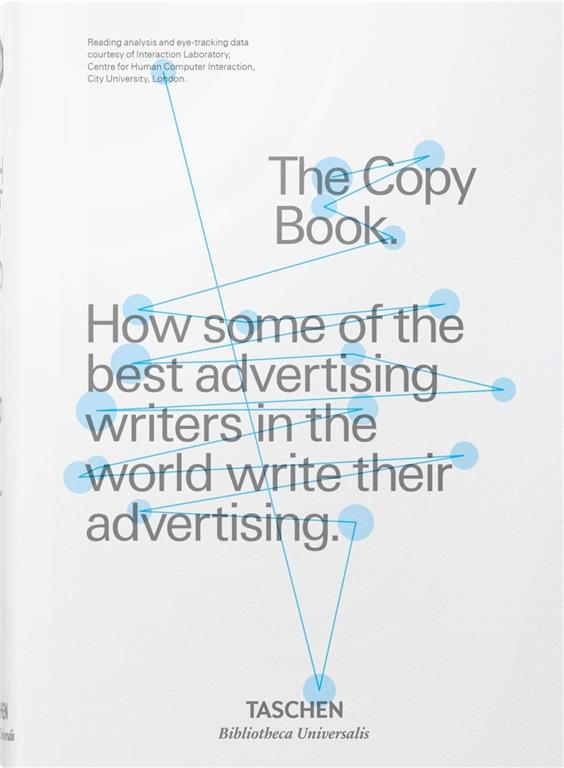
D&AD The Copy Book

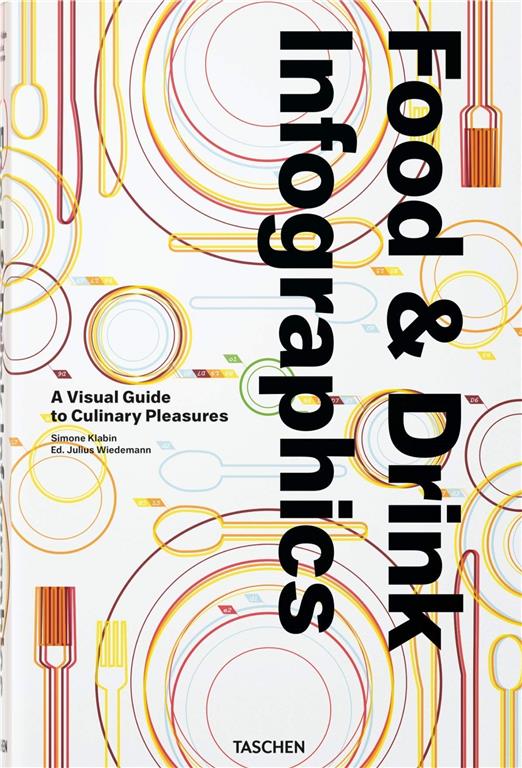
Food & Drink Infographics. A Visual Guide to Culinary Pleasures

(2018) Amid our ever-growing consumption of deft data vizualization, nothing makes for tastier morsels than the fine art of food and dining. Ushering the cookery book into the future, this volume gathers the best infographics of all things eating, drinking, and cuisine, from conversion charts for measurements to cookie recipes, cocktails, and stress-free party planning.A must-have for every 21st-century foodie, this is gastro-guidance at its most visually appealing as much as expert. Want to master sashimi? Know the secret to perfectly grilled steak? Wow guests with your own dry martini? Food Infographics has all the answers and more, using the best culinary graphics to answer kitchen conundrums in lively, simple, and memorable form.You’ll find infographics on all the food groups, from grains and pulses to fruits and vegetables to fish, meat, and poultry. Recipe inspirations include soups, sandwiches, snacks, sweet treats, and just-right dressings. Other sections cover flavor pairings, baking, beverages, cooking tools and techniques, and coffee and tea.The book opens with a foreword by cooking author Michael Ruhlman, followed by a historic survey of food imagery exploring how and where we have used pictures to enjoy, prepare, and serve food and drink, from Egyptian hieroglyphics for flatbread to 19th-century classics such as Mrs Beeton’s Book of Household Management. Slick, smart, and packed full of perfect nuggets of advice, Food Infographics rounds up a delightful visual exploration of food and dining as much as an indispensable collection of everyday tips, techniques, and deliciousness.

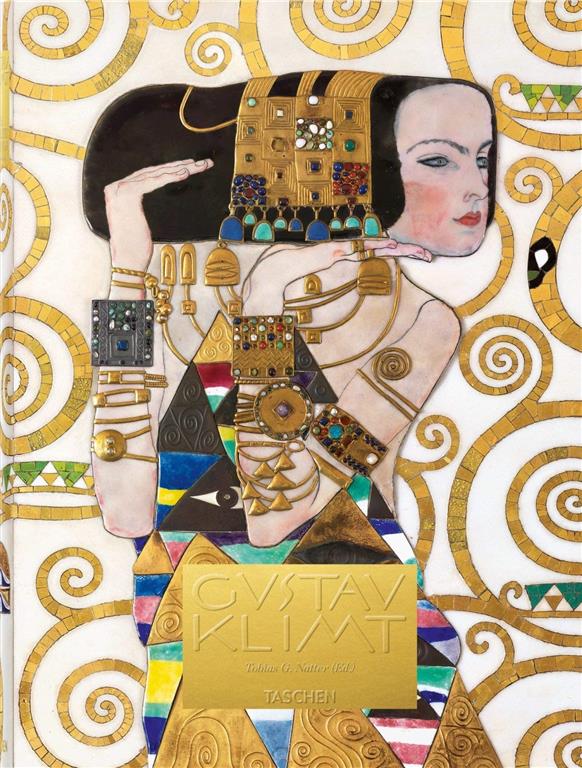
Gustav Klimt: Complete Paintings

(2017) The legacy of Gustav Klimt A century after his death, Viennese artist Gustav Klimt (1862-1918) still startles with his unabashed eroticism, dazzling surfaces, and artistic experimentation. This monograph gathers all of Klimt’s major works alongside authoritative art historical commentary and privileged access to the artist’s archive with some 179 letters, cards, writings, and other documents. With top quality illustration, including new photography of the celebrated Stoclet Frieze, the book follows Klimt through his prominent role in the Secessionist movement of 1897, his candid rendering of the female body, and his lustrous “golden phase” when gold leaf brought a shimmering tone and texture to such beloved works as The Kiss and Portrait of Adele Bloch-Bauer I, also known as The Woman in Gold