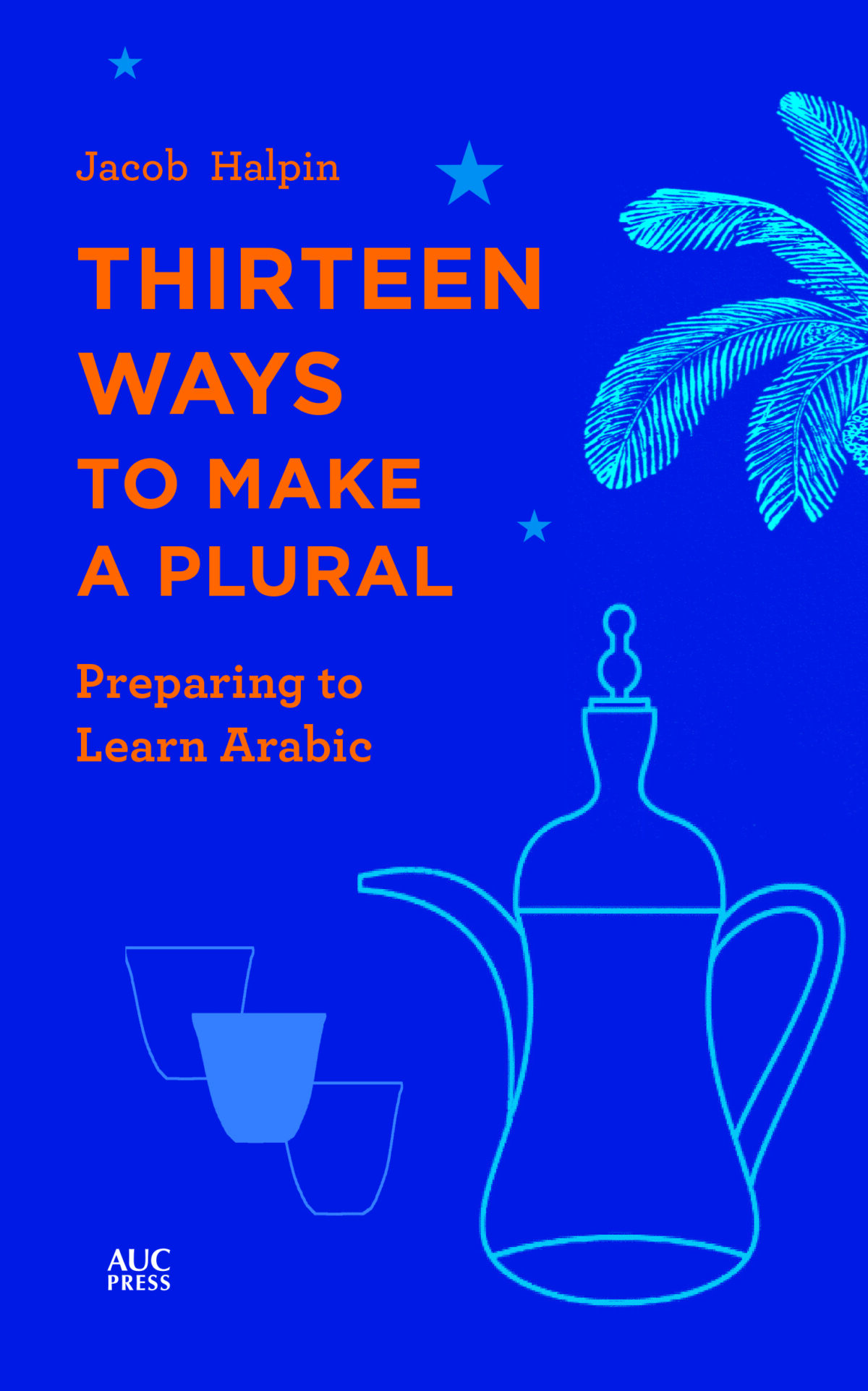
Thirteen Ways to Make a Plural

(2020) An essential guide for anyone seeking to learn Arabic, including tips and tricks to make the process more productive Arabic is one of the world’s most complex and fascinating languages, but many students dive into it without first understanding what they are aiming for, much less knowing how they will get there. Thirteen Ways to Make a Plural: Preparing to Learn Arabic provides essential guidance on making a success of learning Arabic, drawing on the author’s personal experience of having been there and done it, along with the insights and advice of countless other students and teachers. Written in a lively and engaging style, this invaluable primer enables readers to identify the type of Arabic (modern standard or colloquial) suited to their needs, to set realistic learning goals, and to achieve them more efficiently. It includes tried-and-tested methods for improving vocabulary retention, speaking fluency, listening accuracy, and reading skills, while separating the grammar that’s needed in the real world from that which can be left for later. It also provides helpful advice on how to make the most of an ‘immersion’ experience abroad, what it takes to reach an advanced level, and the Arabic required in different professional areas.
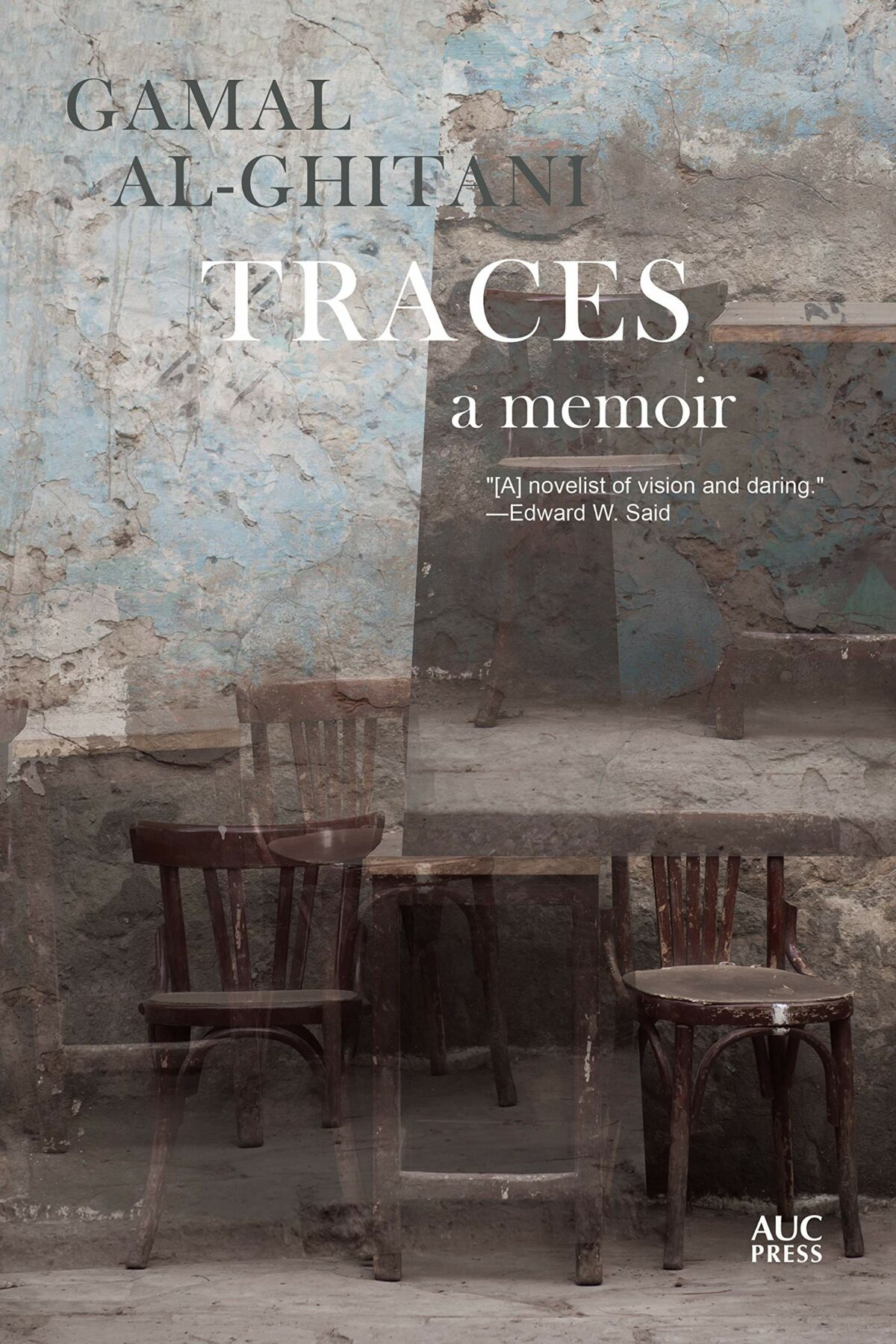
Traces A Memoir

(2020) One of Egypt’s greatest contemporary writers reflects on life and love This haunting memoir, written ten years before Ghitani’s death, weaves together a series of vignettes in a style that mimics the uneven, discontinuous nature of memory itself. These fragments are summoned from across the span of a singular lifetime. We read of his childhood adventures, his erotic awakenings, his time as a political prisoner, and his reports from the battlefront in Iraq and the corridors of power in Syria. Vivid passages capture fleeting glances of strangers through car windows, flavors and scents of delicacies savored, dreams and sorrows of neighbors in the apartment blocks of Cairo before Nasser, as well as chance conversations at points of transit, in cafés, on elegant streets, and with unnamed paramours. These memories, and Ghitani’s musings on memory’s own finitude and mutability, make Traces both a memoir and a meditation on memory itself, in all its inscrutable workings and inevitable betrayals.

Discovery at Rosetta Revealin

(2020) In 1798, young French general Napoleon Bonaparte entered Egypt with a veteran army and a specialist group of savants?scientists, engineers, and artists?his aim being not just conquest, but the rediscovery of the lost Nile kingdom. A year later, in the ruins of an old fort in the small port of Rosetta, the savants made a startling discovery: a large, flat stone, inscribed in Greek, demotic Egyptian, and ancient hieroglyphics. This was the Rosetta Stone, key to the two-thousand-year mystery of hieroglyphs, and to Egypt itself. Two years later, French forces retreated before the English and Ottoman armies, but would not give up the stone. Caught between the opposing generals at the siege of Alexandria, British special agents went in to find the Rosetta Stone, rescue the French savants, and secure a fragile peace treaty. Discovery at Rosetta uses French, Egyptian, and English eyewitness accounts to tell the complete story of the discovery, decipherment, and capture of the Rosetta Stone, investigating the rivalries and politics of the time, and the fate of the stone today.

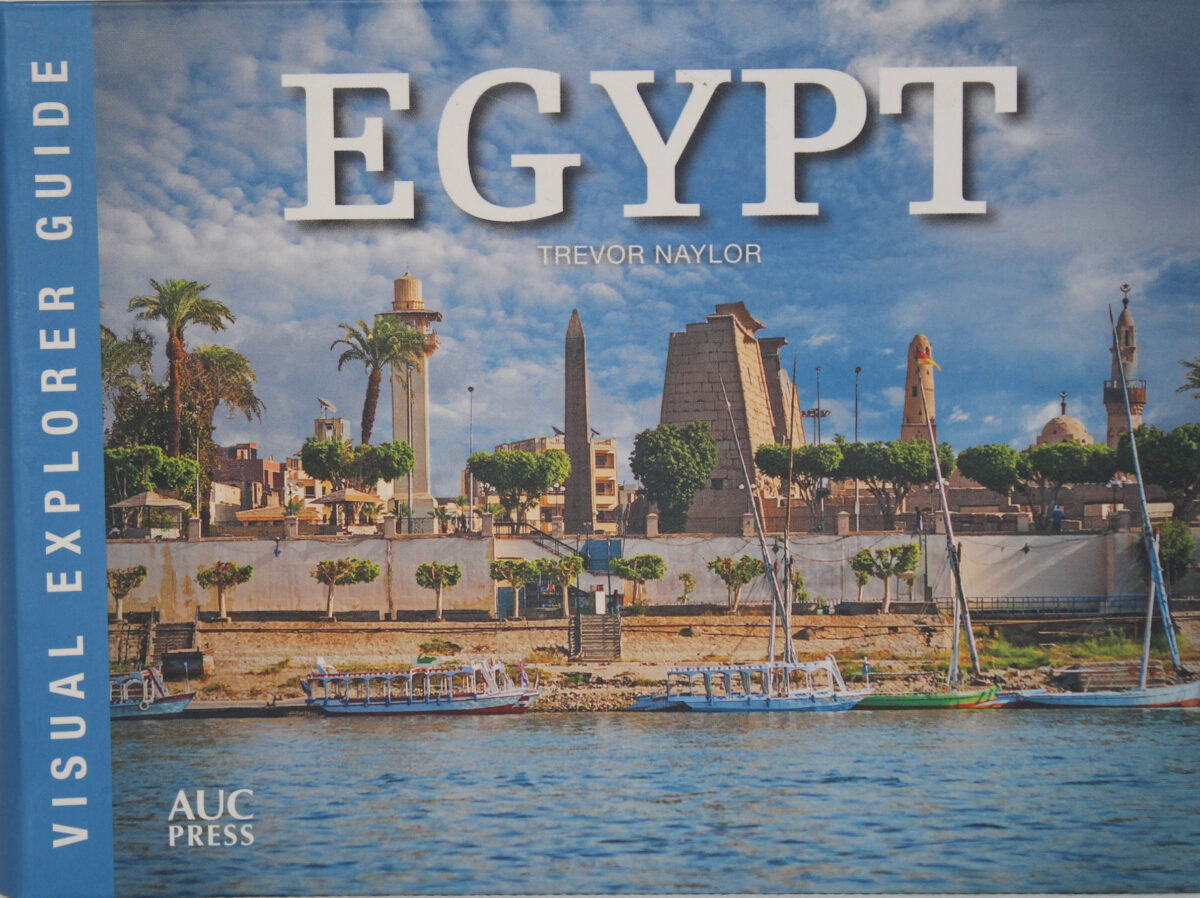
Egypt Visual Explorer Guide

Become a visual explorer! From the banks of the Nile to the pyramids of the Giza plateau, visit the ancient land of Egypt through 200 spectacular images.

Ancient Egypt was the cradle of modern civilization, and the splendor and scale of the nation’s antiquities is legendary, drawing millions of visitors. But the country is much more than that, boasting beautiful beaches on the Red Sea; bustling markets in Cairo and Alexandria; breathtaking tombs, temples, and pyramids; Roman, Coptic, and Sassanid history; and a rich Arab and Ottoman culture. From desert monasteries to the trade on the Suez Canal, from mausoleums hidden for centuries to medieval souks and modern urban life, Egypt guides readers through this exceptional country.

Afterglow of Empire

(2019) During the half-millennium from the eleventh through the sixth centuries BC, the power and the glory of the imperial pharaohs of the New Kingdom crumbled in the face of internal crises and external pressures, ultimately reversed by invaders from Nubia and consolidated by natives of the Nile Delta following a series of Assyrian invasions. Much of this era remains obscure, with little consensus among Egyptologists. Against this background, Aidan Dodson reconsiders the evidence and proposes a number of new solutions to the problems of the period. He also considers the era’s art, architecture, and archaeology, including the royal tombs of Tanis, one of which yielded the intact burials of no fewer than five pharaohs. Afterglow of Empire is extensively illustrated with images of this material, much of which is little known to non-specialists. By the author of the bestselling Amarna Sunset and Poisoned Legacy.

Cairo Inside Out

Cairo is a city of splendor and spectacle, long celebrated as much for its warmth and bustling street life as for the legacy of its tumultuous past. Yet for the countless visitors who fall under its spell, the prolonged din of its crowds and traffic can seem overwhelming at times, tempting them out of the city’s open spaces into its shadow light, the cooler, quieter interiors of restaurants, homes, hotels, and terraces. Cairo Inside Out evokes the light and moods of this great metropolis with stunning photographs shot from the city’s indoor havens. We observe it through and from nostalgic haunts, such as Café Riche and the Windsor Hotel, and look out onto its great sights—the Nile, the Red Pyramid at Dahshur, Ibn Tulun mosque—from the most intimate urban interiors, homes, and watersides. For those who may have lived in Cairo, this is a reminder of a city that moves and yet remains wonderfully unchanged. For visitors and residents, this evocative collection, an unabashed homage to Cairo’s persistent color and allure, will inspire them to visit those places once more.

Vintage Egypt

A Bugatti at the foot of the Pyramids, a local sailboat transformed into a sumptuous yacht, a few tourists in white suits and Panama hats…these are the images of a voyage in Eygpt under the last kings, Fuad and Farouk, between 1917 and 1952. Writers such as Rudyard Kipling and André Gide testify to the fascination of Egypt’s “golden years” where-in a country turned towards Europe and “protected” by the British army-a very individual social set blossomed in Cairo and Alexandria.

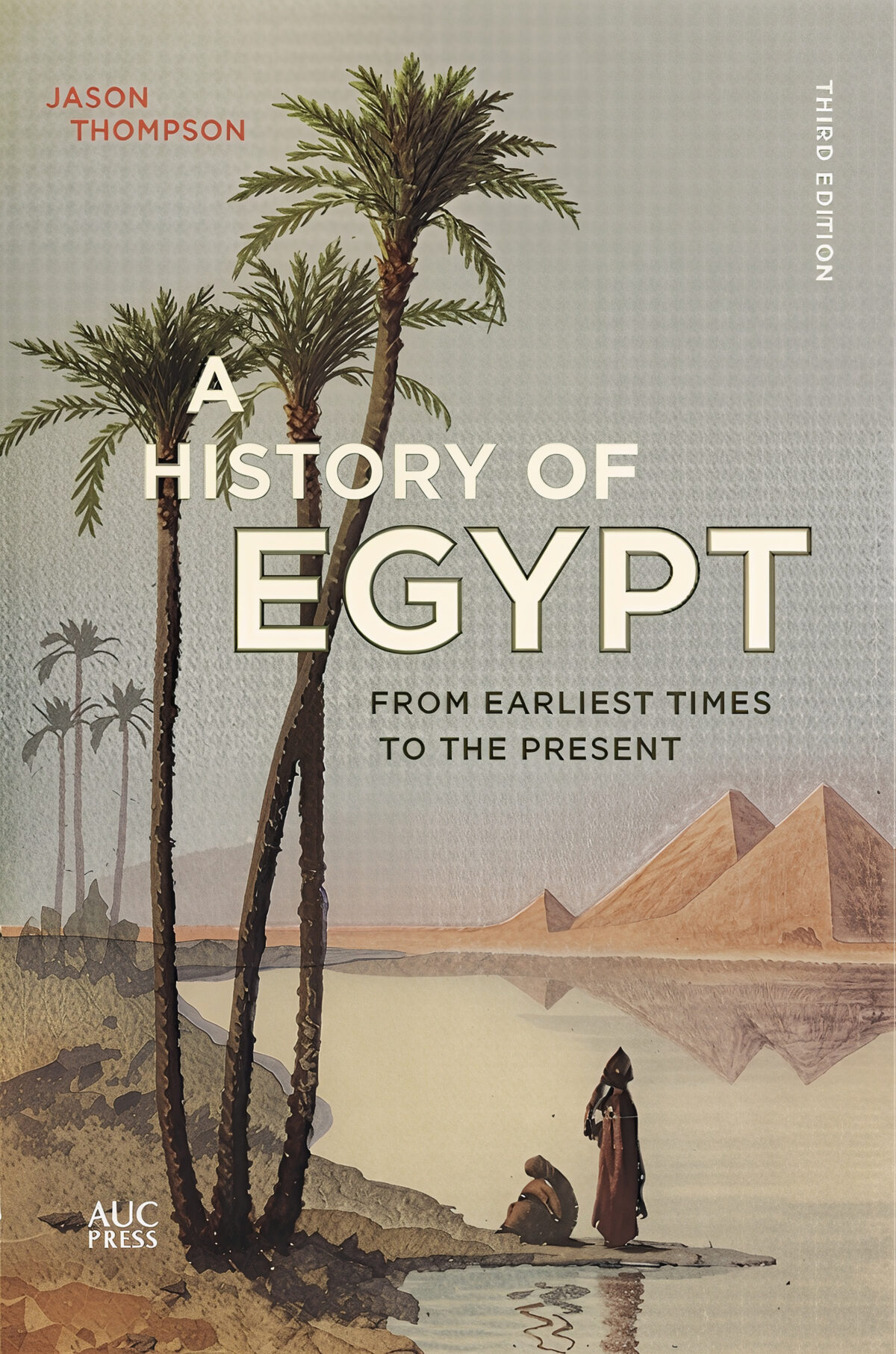
History of Egypt

Egypt Inside Out

(2020) The drama of history and the confluence of geography and climate have made Egypt one of the most sought-after travel destinations in the world. But what is that elusive something that makes it unlike anywhere else on earth? In Egypt Inside Out, Trevor Naylor and Doriana Dimitrova escape the crowds and clamor to take us a on a lyrical exploration of place, bringing us the country in all its captivating regional diversity: the wistfulness of Alexandria, the serenity of Aswan, the energy of Cairo, the lushness of Fayoum, the magic of Siwa, the haunting purity of river and desert. Photographing villages, towns, and cities from the cool, intimate interiors of hotels and homes, and from on board boats, taxis, and trains, they transport us to Egypt’s hideaways and dappled shadows, its groves and temples, dazzling colors and sublime light, and the vast splendor of its landscapes and monumental architecture. Written by an author who has known Egypt for more than thirty years, and illustrated with beautifully observed photographs, Egypt Inside Out is a unique journey through the ever-present allure of an extraordinary country.

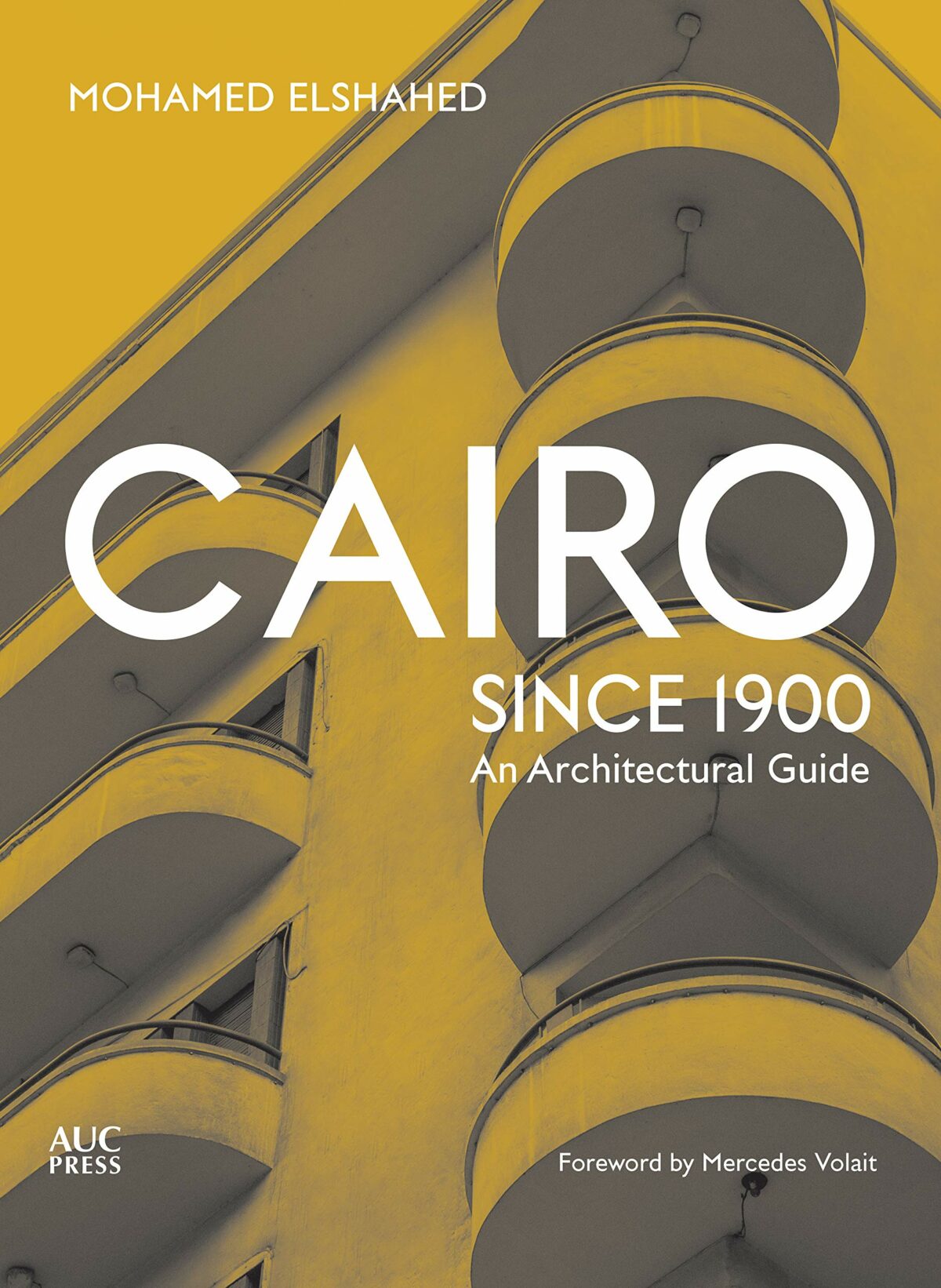
Cairo Since 1900

(2020) The city of a thousand minarets is also the city of eclectic modern constructions, turn-of-the-century revivalism and romanticism, concrete expressionism, and modernist design. Yet while much has been published on Cairo’s ancient, medieval, and early-modern architectural heritage, the city’s modern architecture has to date not received the attention it deserves. Cairo since 1900: An Architectural Guide is the first comprehensive architectural guide to the constructions that have shaped and continue to shape the Egyptian capital since the early twentieth century. From the sleek apartment tower for Inji Zada in Ghamra designed by Antoine Selim Nahas in 1937, to the city’s many examples of experimental church architecture, and visible landmarks such as the Mugamma and Arab League buildings, Cairo is home to a rich store of modernist building styles. Arranged by geographical area, the guide includes entries for more than 220 buildings and sites of note, each entry consisting of concise, explanatory text describing the building and its significance accompanied by photographs, drawings, and maps. This significant compendium is an ideal companion for the city’s visitors and residents as well as an invaluable resource for scholars and students of Cairo’s architecture and urban history.