Arab Cinema

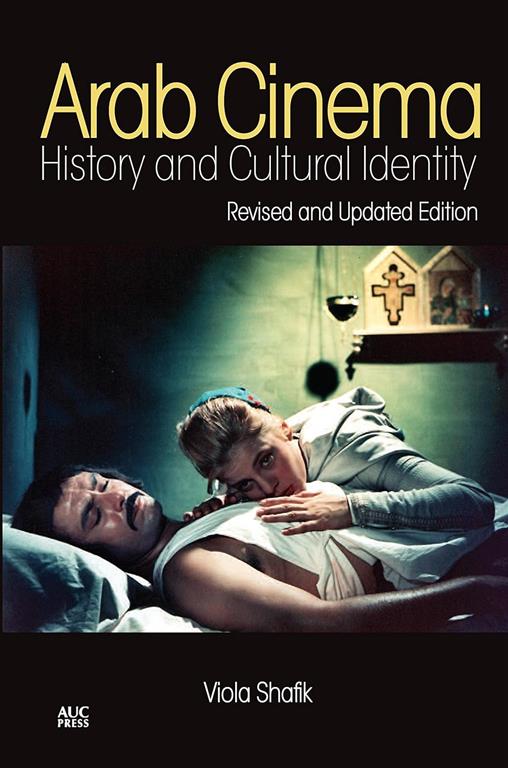
Since it was first published in 1998, Viola Shafik’s Arab Cinema: History and Cultural Identity has become an indispensable work for scholars of film and the contemporary Middle East. Combining detailed narrative history—economic, ideological, and aesthetic—with thought-provoking analysis, Arab Cinema provides a comprehensive overview of cinema in the Arab world, tracing the industry’s development from colonial times to the present. It analyzes the ambiguous relationship with commercial western cinema, and the effect of Egyptian market dominance in the region. Tracing the influence on the medium of local and regional art forms and modes of thought, both classical and popular, Shafik shows how indigenous and external factors combine in a dynamic process of “cultural repackaging.”
Now updated to reflect cultural shifts in the last two decades, this revised edition contains a new afterword highlighting the latest developments in popular and in art-house filmmaking, with a special focus on Iraq, Lebanon, Palestine, and the Gulf States. While exploring problematic issues such as European co-production for Arab art films, including their relation to cultural identity and their reception in the region and abroad, this new edition introduces readers to some of the most compelling cinematic works of the last decades.
Documentary Filmmaking

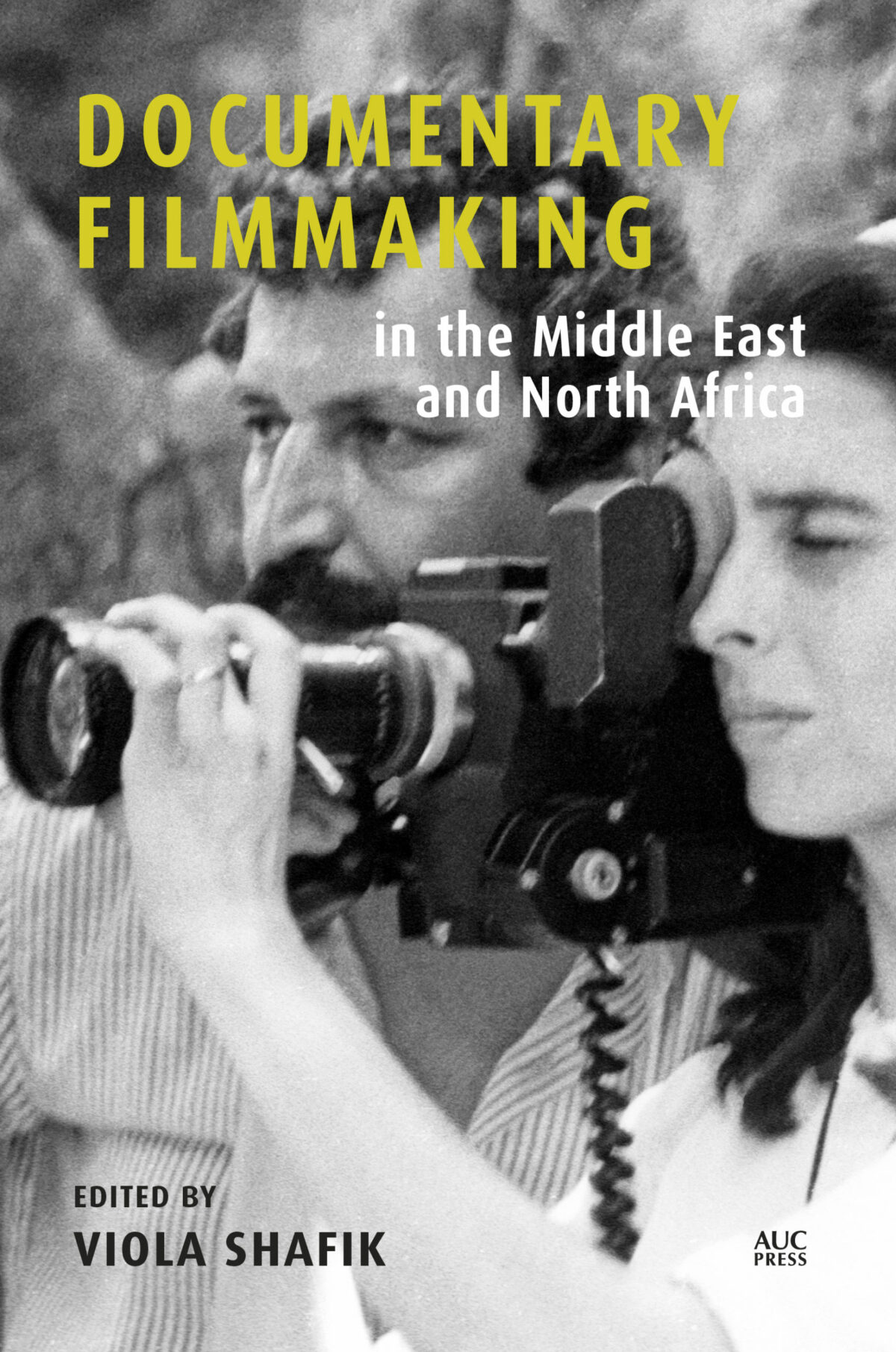
“While many of the Arab documentary films that emerged after the digital turn in the 1990s have been the subject of close scholarly and media attention, far less well studied is the immense wealth of Arab documentaries produced during the celluloid era. These ranged from newsreels to information, propaganda, and educational films, travelogues, as well as more radical, artistic formats, such as direct cinema and film essays. This collected volume sets out to examine the long history of Arab nonfiction filmmaking in the Middle East and North Africa across a range of national trajectories and documentary styles, from the early twentieth century to the present.

Documentary Filmmaking in the Middle East and North Africa traces the historical development of documentary filmmaking with an eye to the widely varied socio-political, ethnic, linguistic, and cultural contexts in which the films emerged. Thematically, the contributions provide insights into a whole range of relevant issues, both theoretical and historical, such as structural development and state intervention, formats and aesthetics, new media, politics of representation, auteurs, subjectivity, minority filmmaking, ‘Artivism,’ and revolution.

Finding Me

God Is Red: A Native View of Religion

Perfection

Chemistry

The Letters of Vincent Van Gogh (Penguin Classics)

Blizzy

The magic of Christmas is experienced through the story of Blizzy, Santa’s magic pet. The reader is taken to an adventure in the forest that is covered in snow where a bunny and a mouse are trying to decorate the Christmas tree. The set is truly magical and the story truly takes the reader to experience the warmth of the festive season..

Blizzy

Man’s Search For Meaning: The classic tribute to hope from t