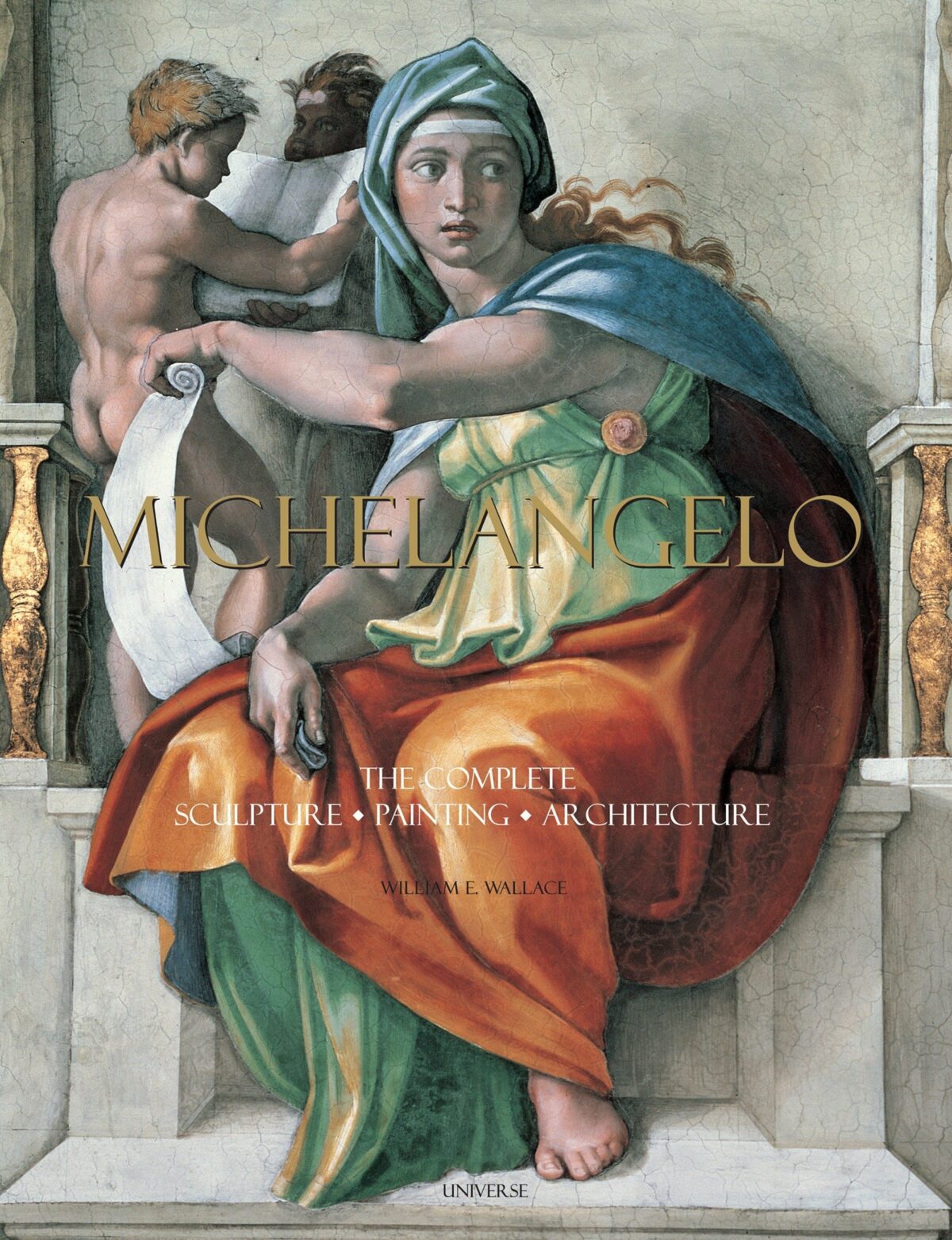
Lord of the Flies

(2003) Before The Hunger Games there was Lord of the Flies

Lord of the Flies remains as provocative today as when it was first published in 1954, igniting passionate debate with its startling, brutal portrait of human nature. Though critically acclaimed, it was largely ignored upon its initial publication. Yet soon it became a cult favorite among both students and literary critics who compared it to J.D. Salinger’s The Catcher in the Rye in its influence on modern thought and literature.

William Golding’s compelling story about a group of very ordinary small boys marooned on a coral island has become a modern classic. At first it seems as though it is all going to be great fun; but the fun before long becomes furious and life on the island turns into a nightmare of panic and death. As ordinary standards of behaviour collapse, the whole world the boys know collapses with them—the world of cricket and homework and adventure stories—and another world is revealed beneath, primitive and terrible.Labeled a parable, an allegory, a myth, a morality tale, a parody, a political treatise, even a vision of the apocalypse, Lord of the Flies has established itself as a true classic.
Lord of the Flies

Lord of the Flies remains as provocative today as when it was first published in 1954, igniting passionate debate with its startling, brutal portrait of human nature. Though critically acclaimed, it was largely ignored upon its initial publication. Yet soon it became a cult favorite among both students and literary critics who compared it to J.D. Salingers The Catcher in the Rye in its influence on modern thought and literature. Labeled a parable, an allegory, a myth, a morality tale, a parody, a political treatise, even a vision of the apocalypse, Lord of the Flies has established itself as a true classic.
Sprawl 1: Neuromancer (SF Masterworks)

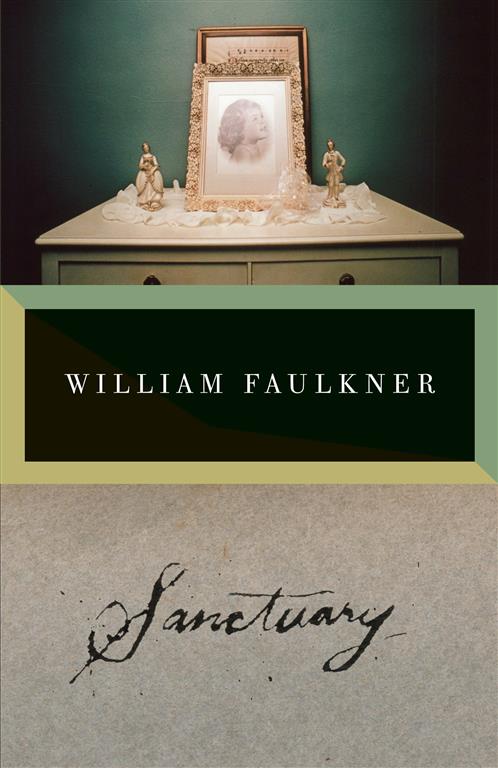
Sanctuary

(1993) A powerful novel examining the nature of evil, informed by the works of T. S. Eliot and Freud, mythology, local lore, and hardboiled detective fiction. Sanctuary is the dark, at times brutal, story of the kidnapping of Mississippi debutante Temple Drake, who introduces her own form of venality into the Memphis underworld where she is being held.

Michelangelo

“With an engaging text by renowned Michelangelo scholar William E. Wallace, Michelangelo: The Complete Sculpture, Painting, Architecture brings together in one exquisite volume the powerful sculptures, the awe-inspiring paintings, and the classical architectural works of one of the greatest artists of all time. Including everything from his sculptures Pietàs and David to his beautiful paintings of the Sistine Chapel and the Doni Tondo, the book provides an opportunity to view Michelangelo’s work as never before, and to more fully understand the artist who, through his work, spoke of his life and times. The frescoes are specially printed on onion skin paper to recreate the actual appearance of light reflecting off of the plaster walls. The stunning black-and-white photography of the sculptures is printed in four colors to bring out the rich details of the marble.”

Bridgebuilders: How Government

In the face of ever more complex societal challenges, this book provides an essential new model for transforming the public sector and getting things done.

Pandemics. Climate change. Refugee resettlement. Global supply chains. We face a new generation of complex problems that stretch across the public and private sectors and flow over organizational boundaries. To meet the moment, we need a fresh, new approach that strengthens institutions and government agencies by breaking free from organizational boxes and rigid, top-down leadership.

As William D. Eggers, executive director of Deloitte’s Center for Government Insights, and Donald F. Kettl, public management scholar, show in this indispensable book, we need a government of bridgebuilders who collaborate with partners—inside and outside government—to get the job done. These leaders manage horizontally instead of vertically; they see their role as connectors; and they identify which players have the assets needed to solve the unprecedented problems at hand.

Each chapter examines one of the ten core principles of bridgebuilding and features practical tips and dynamic cases of how effective leaders have put each bridgebuilding principle to work. The book also includes a special section that helps government leaders create a hundred-day bridgebuilding plan.

Throughout, Eggers and Kettl tell fascinating and instructive stories about some of today’s bridgebuilders—federal, state, and local government leaders who transcend boundaries, partner across sectors, and get stuff done.

Trusted and effective government has never been more important than today. Bridgebuilders provides a new model that current government decision makers—as well as young leaders who aspire to public service—can learn from and apply right now to transform government and restore public trust.

Who Wrote Shakespeare’s Plays?

(2013) From an obscure family in a small provincial town, Shakespeare had no formal education after the age of thirteen. His surviving handwriting consists of six signatures on legal documents. His will makes no mention of his books or manuscripts. His two daughters were illiterate. There is, in other words, a seemingly enormous gap between the meagreness of Shakespeare’s background and his achievements as the greatest and most famous writer in the English language. Over the years, numerous ‘candidates’ have been proposed as the true author. Often dismissed by the orthodox Shakespeare establishment in Britain and America as crackpots, the Anti-Stratfordians, as they are known, have become increasingly visible and numerous during the past thirty years. Who Wrote Shakespeare’s Plays? provides a clear, objective guide to the Shakespeare authorship question by examining the strengths and deficiencies of the arguments for all of the candidates: Edward de Vere, 17th Earl of Oxford; Sir Francis Bacon; Christopher Marlowe; William Stanley, 6th Earl of Derby; Roger Manners, 5th Earl of Rutland; Mary Sidney; Sir Henry Neville; and William Shakespeare himself. This book is a fascinating, comprehensive, and up-to-date look at one of history’s greatest mysteries.

Europe In The High Middle Ages

Be Yourself And Happier

“Navigating day-to-day life can be a tricky business. By the time we are adults, our experiences have formed our way of thinking and we have learned patterns of behaviour that are not always helpful. We must unravel these to understand, accept, nurture and allow ourselves to rise with our vulnerabilities, not in spite of them.

After having a breakdown in 2011, Will Young went about the process of interrogating everything he thought he knew: how he formed his identity, what he relied on for self-esteem and how he behaved and communicated. Everything he has learned over the past 10 years, he has now condensed into this easy to access A-Z guide. He digs into how everyday life can affect our wellbeing, how we can navigate our emotions, where they come from and how to create a balanced mindset, offering practical techniques we can all use to ground ourselves and set boundaries.

With wit and wisdom and revealing his own vulnerabilities along the way, Will shows us how to identify destructive patterns, develop good mindful habits, be true to who we are and grow into better versions of ourselves.”

The Science Of Storytelling: Why Stories Make Us Human, And

SUNDAY TIMES BESTSELLER‘If you want to write a novel or a script, read this book’ Sunday Times‘The best book on the craft of storytelling I’ve ever read’ Matt Haig‘Rarely has a book engrossed me more, and forced me to question everything I’ve ever read, seen or written. A masterpiece’ Adam Rutherford Why stories make us human and how to tell them better.There have been many attempts to understand what makes a good story – but few have used a scientific approach.In this incisive, thought-provoking book, award-winning writer Will Storr demonstrates how master storytellers manipulate and compel us.Applying dazzling psychological research and cutting-edge neuroscience to the foundations of our myths and archetypes, he shows how we can use these tools to tell better stories – and make sense of our chaotic modern world.INCLUDES NEW MATERIAL.