Don’t Sneeze, Santa!

“When any old story book just doesn’t cut it any more, here is Santa, your festive bedtime buddy, to make every goodnight a jolly, great night!

It’s Christmas Eve and Santa is delivering his presents, but he really has to sneeze! Will his ‘ATCHOO!’ wake Lily and Charlie?

Ho, ho, ho! The attached Santa hand puppet can turn a whopping 360 degrees. Bringing some Christmas spirit to bedtime has never been easier or more fun.”

Bathtime and Fishing Fun Whale

N/A

Azazeel

(2009) عزازيل (English) Set in the 5th century AD, Azazeel is the exquisitely crafted tale of a Coptic monk’s journey from Upper Egypt to Alexandria and then Syria during a time of massive upheaval in the early Church. Winner of the Arab Booker Prize, Azazeel highlights how the history of our civilization has been warped by greed and avarice since its very beginnings and how one man’s beliefs are challenged not only by the malice of the devil, but by the corruption with the early Church. In sparse and often sparkling prose that reflects the arid beauty of the Syrian landscape, Azazeel is a novel that forces us to re-think many of our long-held beliefs and invites us to rediscover a lost history.

The Dissenters

Beautiful White Cat Walks with

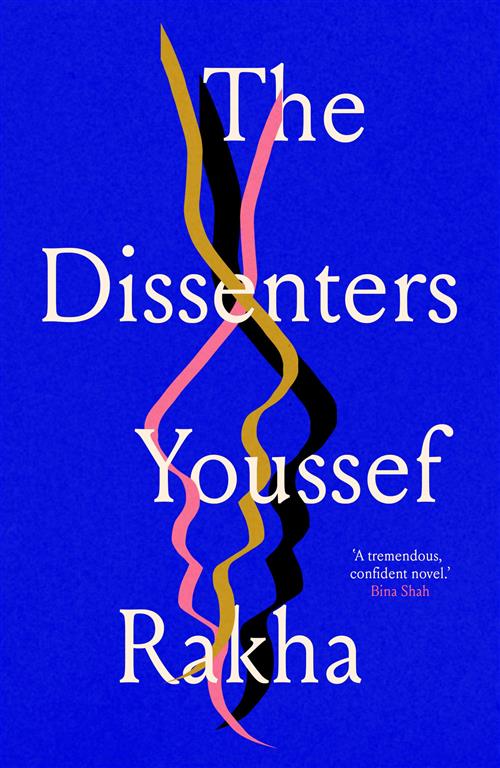
(2016) A modern Moroccan tale of power, love, and loss Hassan makes a living in his native Marrakesh as a comic writer and performer, through his satirical sketches critical of Morocco’s rulers. Yet when he is suddenly conscripted into a losing war in the Sahara, and drafted to a far-flung desert outpost, it seems that all is lost. Could his estranged father, close to power as the king’s private jester, have something to do with his sudden removal from the city? And will he ever see his beloved wife Zinab again? With flowing prose and black humor, Youssef Fadel subtly tells the story of 1980s Morocco.

Rare Blue Bird Flies with Me

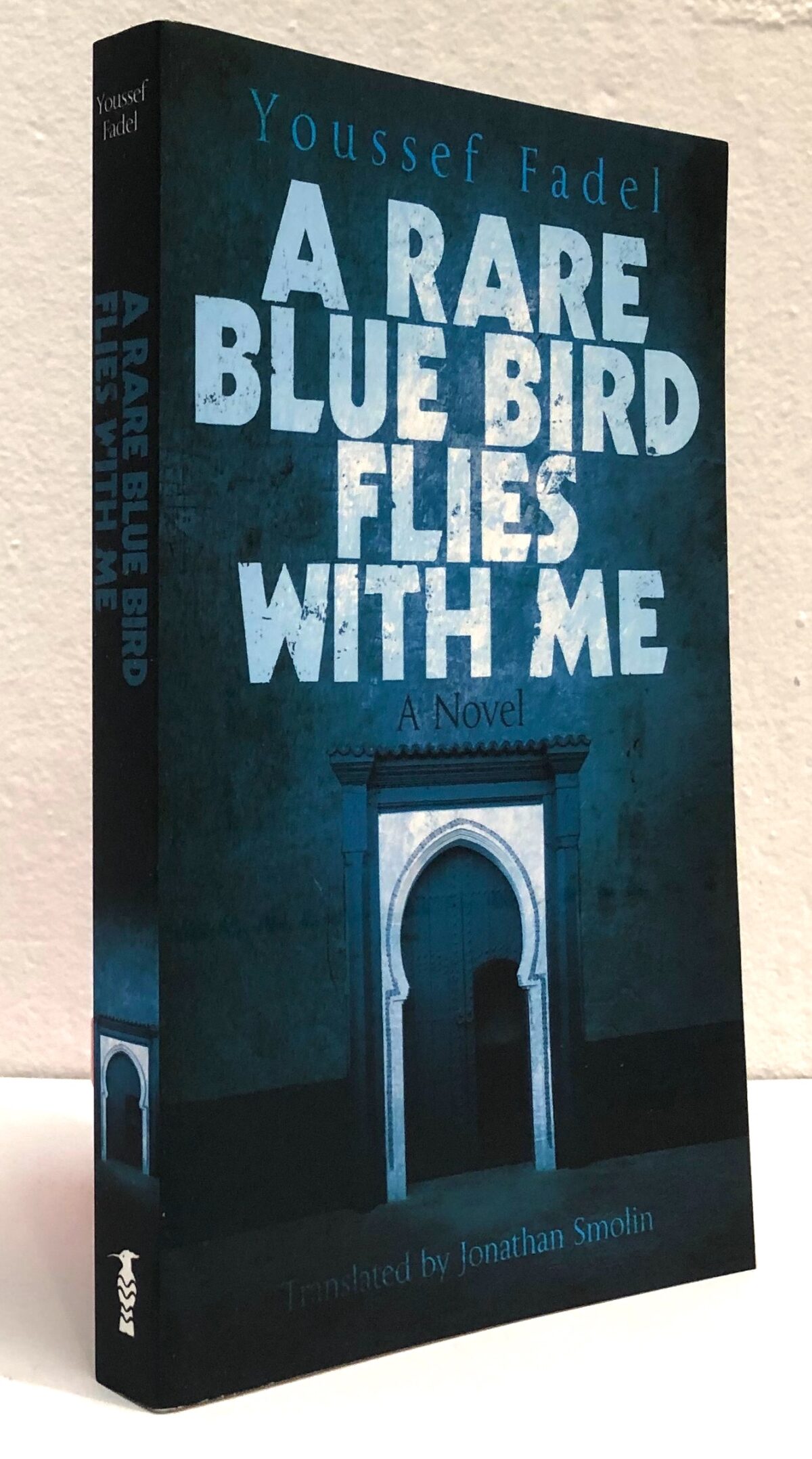
(2016) Spring, 1990. After years of searching in vain, a stranger presses a scrap of paper into Zina’s pocket. It’s from Aziz: the man who vanished the day after their wedding almost two decades ago. It propels Zina on a final quest for a secret desert jail in southern Morocco, where her husband crouches in despair, dreaming of his former life. Fadel pays powerful testament to a terrible period in Morocco’s history, known as ‘the years of cinders and lead,’ and masterfully evokes the suffering inflicted on those who supported the failed coup against King Hassan II in 1972

Shimmering Red Fish Swims with

(2019) A powerful and poetic masterpiece where ordinary people’s dreams play out in a city plagued by government exploitation and crime As his wife delivers their child in the next room, a man wakes from the nightmare of a teenage girl’s body lying beneath his bed. In this twilight before birth, Fadel’s epic novel catches us in the confusion between exaltation and despair. The girl, Farah, once dreamed of being a singer in Casablanca, a city standing in the shadow of the tallest minaret in the world. Illuminating the aspirations of those just struggling to make a living, A Shimmering Red Fish Swims with Me is a tour-de-force, a novel of power plays and petty jealousies, deceit and corruption, love and loss, written with Fadel’s masterful, narrative control and searing, historical insight.

Un oiseau bleu et rare Vole Av

“Aviateur dans l’armée marocaine, Aziz est arrêté le lendemain de son mariage avec Zeina car il est accusé d’être impliqué dans une tentative de coup d’?tat militaire contre le roi Hassan II. Dix-huit ans plus tard, en mai 1990, Zeina apprend par un mystérieux messager qu’Aziz a été libéré et qu’il cherche à la revoir. Durant la journée qui sépare Zeina de ses retrouvailles avec Aziz, six narrateurs se succèdent pour raconter l’histoire tragique de l’incarcération d’Aziz depuis 1972.

Convergence of Civilizations

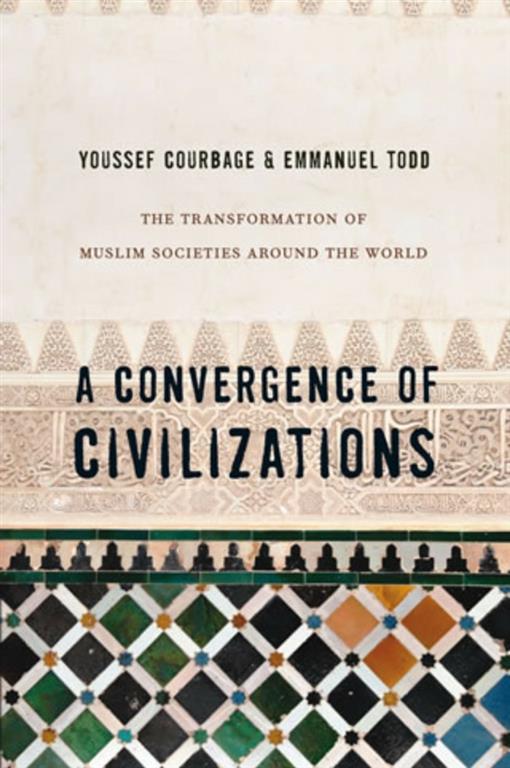
(2012) The ‘Clash of Civilizations’ refuted.

Leaving aside the media’s sound and fury on the conflict between the west and the Islamic world, measured analysis shows another reality taking shape: rapprochement between these two civilizations, benefiting from a universal movement with roots in the Enlightenment. The historical and geographical sweep of this book discredits the notion of a specific Islamic demography. The range of fertility among Muslim women, for example, is as varied as religious behavior among Muslims in general. Whether agnostics, fundamentalist Salafis, or al-Qaeda activists, Muslims are a diverse group that prove the variety and individuality of Islam. Youssef Courbage and Emmanuel Todd consider different degrees of literacy, patriarchy, and defensive reactions among minority Muslim populations, underscoring the spread of massive secularization throughout the Arab and Muslim world. Sensitive to demographic variables and their reflection of personal and social truths, Courbage and Todd upend a dangerous meme: that we live in a fractured world close to crisis, struggling with an epidemic of closed cultures and minds made different by religion.

The Taste of Death and Lizards in Ahwaz’s Secret Prison

Yousef Azizi was no stranger to the dark underworld of imprisonment. During the Shah’s reign, he faced constant apprehension and suffered through gruelling interrogations. His fervent articles in Iranian newspapers, passionately defending the Arab identity of the Ahwazis, earned him accusations and trouble. The Iranian regime’s unease with the issue of Ahwazis’ Arab heritage remained deeply ingrained. Undeterred, Azizi felt compelled to continue his battle and resistance under the Islamic Republic, a regime that deceitfully reneged on its promises to the Ahwazi people after consolidating its power through the Khomeini revolution. Yousef’s only crime was defending the right to self-determination for the colonized Ahwazi population. He fearlessly exposed the decades-long ethnic oppression and Iranian state efforts to erase not only the identity of his people, but also their very existence through forced displacement and the establishment of exclusive settlements for Iranians, reshaping the demographics of Ahwaz and reducing the Ahwazi people in their own homeland to a minority. Azizi’s candid writing and exposure of these racist policies were not tolerated, leading to his arrest and the unjust suffering he endured in prison. Yousef’s story is not just his own, but represents the untold and unheard experiences of hundreds of Ahwazi political prisoners who faced similar fates, even execution.
The watchful eyes of the intelligence services never wavered from Azizi. His status as a writer and outspoken journalist, with strong connections to Arab and global media, made him a double threat. Most importantly, he was an Ahwazi Arab. A founding member of the Iranian Writers and Journalists Union and the first Arab elected to the Board of Directors of the Iranian Writers, Azizi began his career three decades ago, leaving behind an impactful body of work comprising twenty-five books and countless articles in Persian and Arabic.
The relentless torment and persecution he endured had plagued his life, orchestrating a symphony of suffering that reached its crescendo before the keys of freedom were played on June 28, 2005.
In the span between those days in prison, Azizi weathered psychological torment so excruciating that its scars bore a striking resemblance to physical pain. Yet his unwavering resilience and refusal to succumb to baseless accusations served as a lifeline, connecting him to the hope and light that lay beyond the suffocating veil of imprisonment. His journey was one defined by unspeakable horror and unyielding determination, sustained only by the unwavering support of Iranian and international humanitarian organizations that prevented him from sinking into the depths of despair.