

Archives
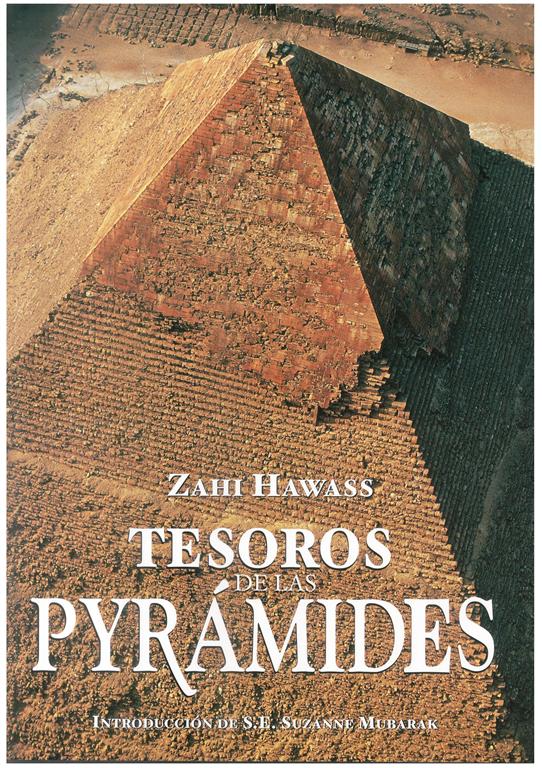
Besides being among the most marvelous architectural achievements of ancient history, the pyramids are the most visible aspect of the unique religious and metaphysical beliefs of ancient Egypt. As the point of contact between earth and heaven, the human and the divine, the pyramids were the means by which the soul of the pharaoh ascended to heaven to join his celestial father, Ra.
The pyramids are still shrouded in mystery—despite all the research and studies carried out, for example, we still do not know for certain how they were built—but recent excavations and research have thrown new light on these monuments, on the lives of the workers who built them, and on the court dignitaries who were granted the privilege of a burial place near that of their king. Although the pyramids at Giza are the best known, there are others that are more ancient and less grandiose, and here for the first time, all the most important Old Kingdom pyramids and the great necropolises of Memphis are brought together, examined, and reinterpreted in light of the most recent discoveries. Their descriptions are accompanied by maps, plans, and reconstructions that take the reader on a journey of discovery into the exalted world and unique civilization that developed on the banks of the Nile during the fourth and third millennia BC.
Edited by Zahi Hawass, secretary general of Egypt’s Supreme Council of Antiquities and the excavator of many recent discoveries, and with texts written by some of the world’s leading Egyptologists, Treasures of the Pyramids reveals the secrets of the pyramids, describes the vicissitudes of the most famous dynasties, and illustrates—with specially commissioned photographs—the most famous tombs in the world and the treasures they contained.
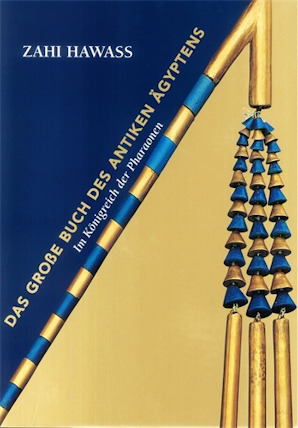
In this superbly illustrated volume, distinguished Egyptologist Zahi Hawass guides readers through the architectural landscape of pharaonic Egypt, from the houses and palaces of the living to the temples of the gods to the tombs of the dead. Hundreds of color photographs and a compelling text unveil the mysteries of ancient Egypt as unearthed through major excavations, revealing fresh insight into how the ancient Egyptians lived, how they prepared for death, and how they perceived their own place within the universe. The Great Book of Ancient Egypt takes readers on a tour of the most important sites of ancient Egypt from the Pyramids of Giza to the Valley of the Kings to Abu Simbel. It recounts the history of the most famous kings and queens and sheds light on the everyday lives of the people. Hawass shares details of his personal archaeological adventures and reveals his own sense of awe of the magic and mystery of the pharaohs. Through his narrative, accompanied by a wealth of outstanding photographs, readers will learn little-known facts about the lives of the people and royalty of ancient Egypt.

The Egyptian Museum houses the world’s greatest collection of Egyptian treasures and antiquities, tens of thousands of stunning and fascinating objects dating from the earliest Predynastic times right through to the Greek and Roman Periods. Visitors to this great storehouse may become easily overwhelmed by the vast number of objects on display. But here for the first time is the world’s best-known Egyptologist’s personal introduction to the unmissable highlights of the Museum—Zahi Hawass’s own selection of his favorite 200 exhibits. For each piece, he gives some background to its discovery and significance, and describes what it means for him in terms of the art or the history of ancient Egypt, and why it strikes a personal chord. “Due to my love of the Egyptian Museum, I thought that it would be wonderful to write a guide to its treasures, and to talk about my favorite objects within.”—Zahi Hawass

The Egyptian Museum houses the world’s greatest collection of Egyptian treasures and antiquities, tens of thousands of stunning and fascinating objects dating from the earliest Predynastic times right through to the Greek and Roman Periods. Visitors to this great storehouse may become easily overwhelmed by the vast number of objects on display. But here for the first time is the world’s best-known Egyptologist’s personal introduction to the unmissable highlights of the Museum—Zahi Hawass’s own selection of his favorite 200 exhibits. For each piece, he gives some background to its discovery and significance, and describes what it means for him in terms of the art or the history of ancient Egypt, and why it strikes a personal chord. “Due to my love of the Egyptian Museum, I thought that it would be wonderful to write a guide to its treasures, and to talk about my favorite objects within.”—Zahi Hawass
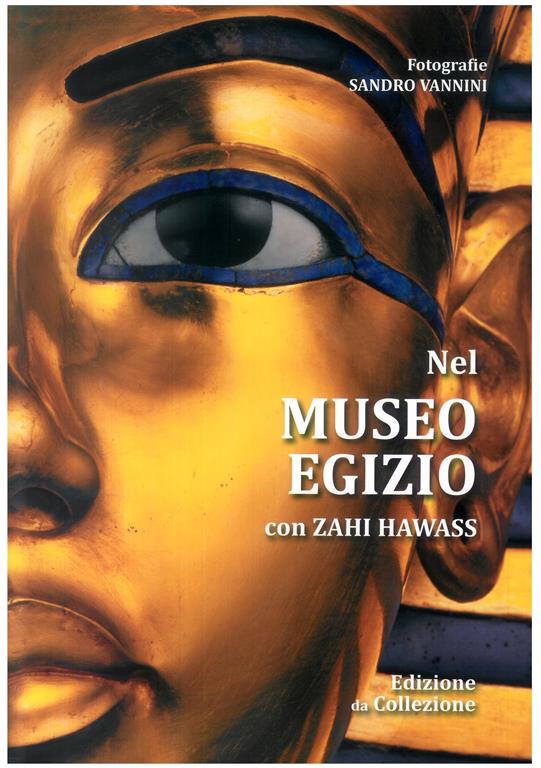
The Egyptian Museum houses the world’s greatest collection of Egyptian treasures and antiquities, tens of thousands of stunning and fascinating objects dating from the earliest Predynastic times right through to the Greek and Roman Periods. Visitors to this great storehouse may become easily overwhelmed by the vast number of objects on display. But here for the first time is the world’s best-known Egyptologist’s personal introduction to the unmissable highlights of the Museum—Zahi Hawass’s own selection of his favorite 200 exhibits. For each piece, he gives some background to its discovery and significance, and describes what it means for him in terms of the art or the history of ancient Egypt, and why it strikes a personal chord. “Due to my love of the Egyptian Museum, I thought that it would be wonderful to write a guide to its treasures, and to talk about my favorite objects within.”—Zahi Hawass
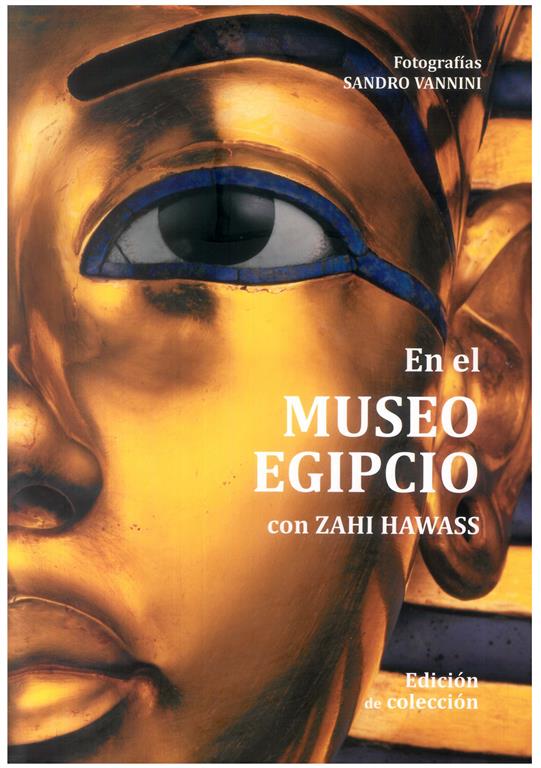
The Egyptian Museum houses the world’s greatest collection of Egyptian treasures and antiquities, tens of thousands of stunning and fascinating objects dating from the earliest Predynastic times right through to the Greek and Roman Periods. Visitors to this great storehouse may become easily overwhelmed by the vast number of objects on display. But here for the first time is the world’s best-known Egyptologist’s personal introduction to the unmissable highlights of the Museum—Zahi Hawass’s own selection of his favorite 200 exhibits. For each piece, he gives some background to its discovery and significance, and describes what it means for him in terms of the art or the history of ancient Egypt, and why it strikes a personal chord. “Due to my love of the Egyptian Museum, I thought that it would be wonderful to write a guide to its treasures, and to talk about my favorite objects within.”—Zahi Hawass


In this superbly illustrated volume, distinguished Egyptologist Zahi Hawass guides readers through the architectural landscape of pharaonic Egypt, from the houses and palaces of the living to the temples of the gods to the tombs of the dead.
Hundreds of color photographs and a compelling text unveil the mysteries of ancient Egypt as unearthed through major excavations, revealing fresh insight into how the ancient Egyptians lived, how they prepared for death, and how they perceived their own place within the universe. The Great Book of Ancient Egypt takes readers on a tour of the most important sites of ancient Egypt from the Pyramids of Giza to the Valley of the Kings to Abu Simbel. It recounts the history of the most famous kings and queens and sheds light on the everyday lives of the people.
Hawass shares details of his personal archaeological adventures and reveals his own sense of awe of the magic and mystery of the pharaohs. Through his narrative, accompanied by a wealth of outstanding photographs, readers will learn little-known facts about the lives of the people and royalty of ancient Egypt.

(2018) The most sumptuously illustrated book ever on the boy-king’s tomb The tomb of Tutankhamun, with its breathtaking treasures, remains the most sensational archaeological find of all time. This brilliantly illustrated volume takes the reader through Tutankhamun’s tomb room-by-room in the order that it was discovered and excavated by Howard Carter, illuminating the tomb’s most magnificent artifacts. Zahi Hawass imbues the text with his own inimitable flavor, imagining how the uncovering and opening of the tomb must have felt for Carter, and addressing some of the questions that most intrigue the public: Did Carter steal objects from the tomb? Why did he damage the king’s mummy?