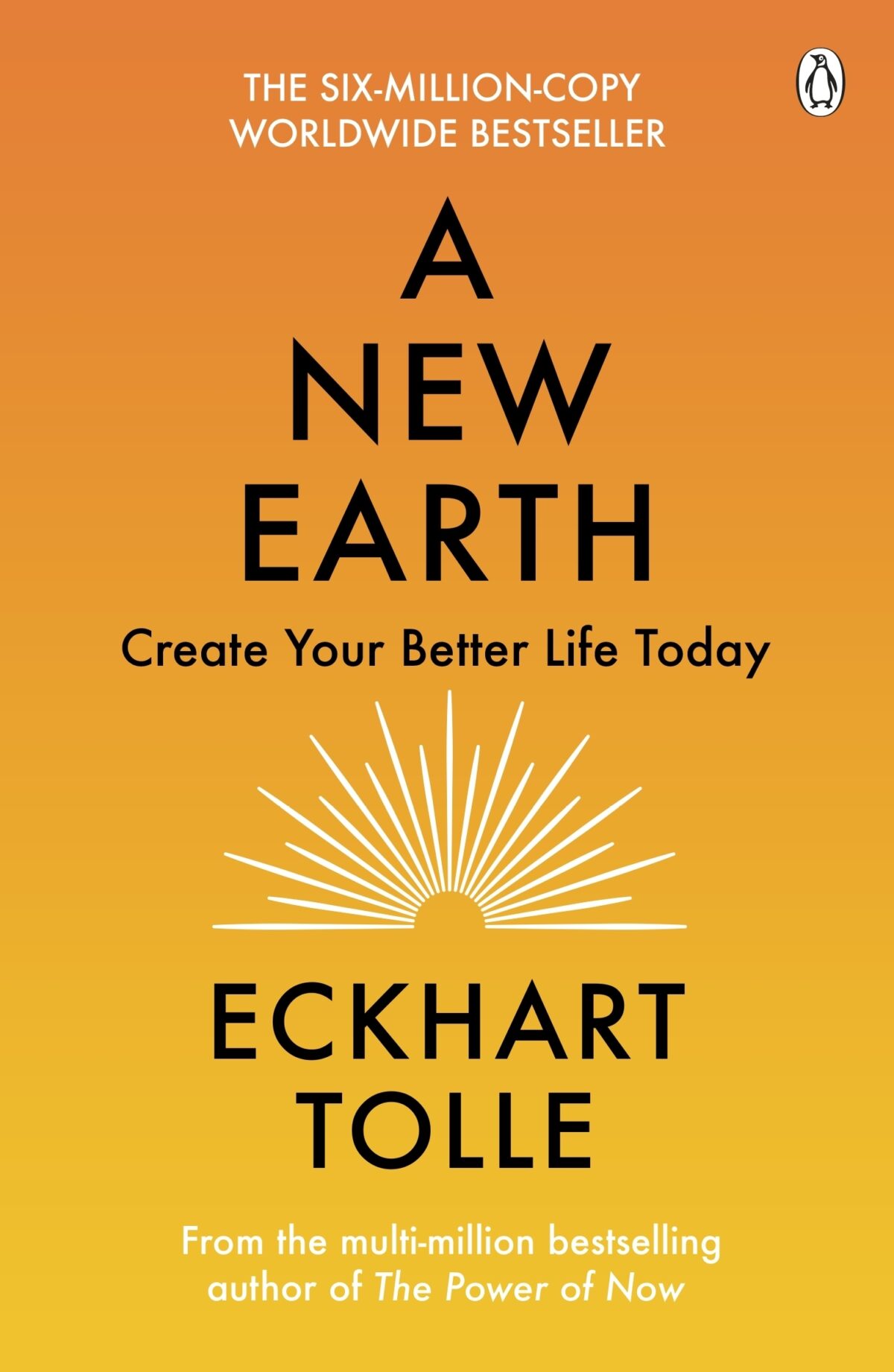
New Earth

Eckhart Tolles “A New Earth” will be a cornerstone for personal spirituality and self-improvement for years to come, leading readers to a new levels of consciousness and inner peace. Taking off from the introspective work “The Power of Now”, which is a number one bestseller and has sold millions of copies worldwide, Tolle provides the spiritual framework for people to move beyond themselves in order to make this world a better, more spiritually evolved place to live. Shattering modern ideas of ego and entitlement, self and society, Tolle lifts the veil of fear that has hung over humanity during this new millennium, and shines an illuminating light that leads to happiness and health that every reader can follow.
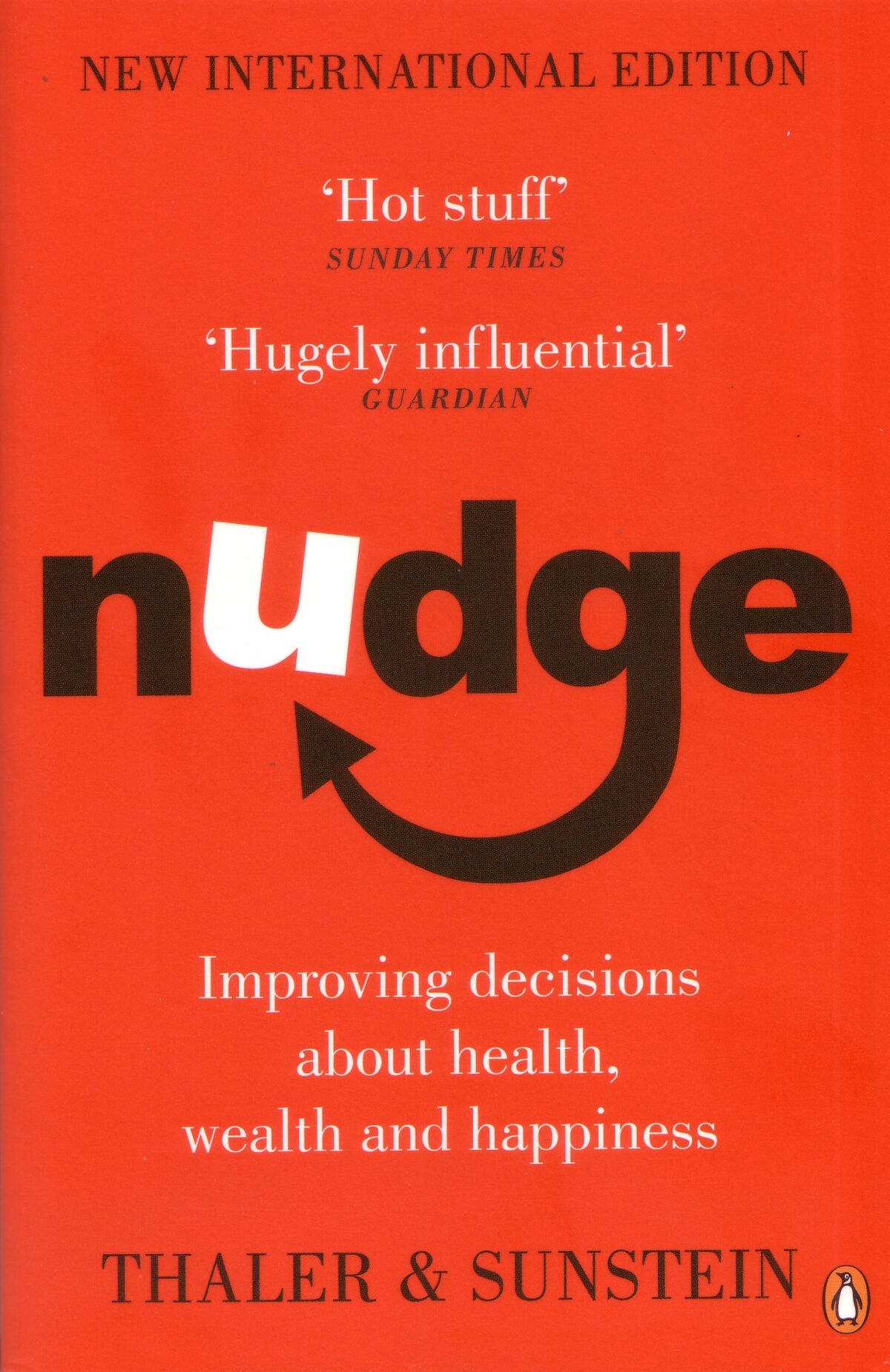
Nudge

(2009) Nudge is about choices – how we make them and how we can make better ones. Every day we make decisions: about the things that we buy or the meals we eat; about the investments we make or our children’s health and education; even the causes that we champion or the planet itself. Unfortunately, we often choose poorly. We are all susceptible to biases that can lead us to make bad decisions. And, as Thaler and Sunstein show, no choice is ever presented to us in a neutral way. By knowing how people think, we can make it easier for them to choose what is best for them, their families and society. Using dozens of eye-opening examples and original research, the authors demonstrate how to nudge us in the right directions, without restricting our freedom of choice. ‘How often do you read a book that is both important and amusing, both practical and deep? … A must-read for anyone who wants to see both our minds and our society working better’ Daniel Kahneman, author of Thinking, Fast and Slow ‘I love this book. It is one of the few books I’ve read recently that fundamentally changes the way I think about the world’ Steven D. Levitt, co-author of Freakonomics

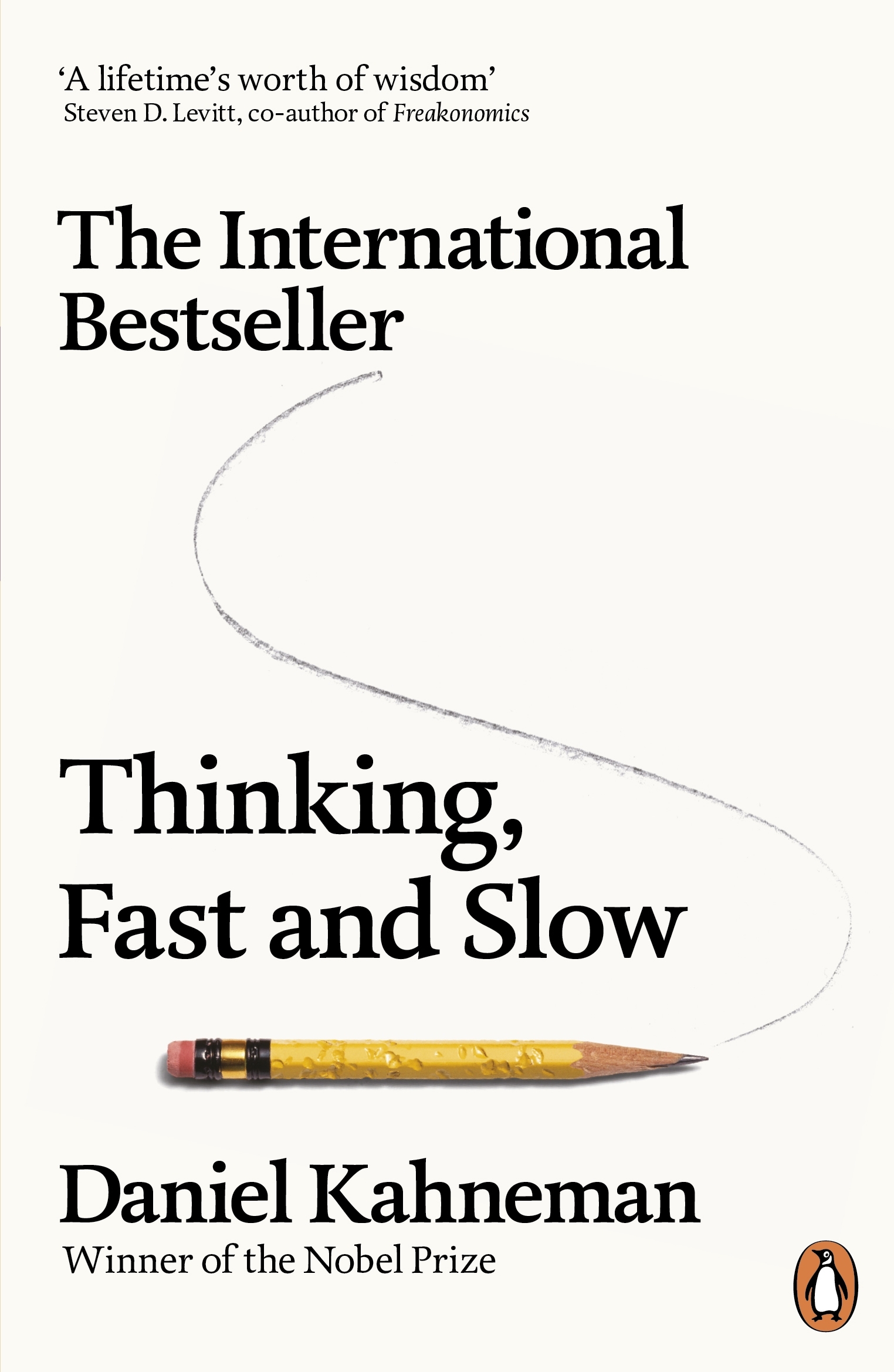
Thinking, Fast and Slow

(2011) The New York Times Bestseller, acclaimed by author such as Freakonomics co-author Steven D. Levitt, Black Swan author Nassim Nicholas Taleb and Nudge co-author Richard Thaler, Thinking Fast and Slow offers a whole new look at the way our minds work, and how we make decisions. Why is there more chance we’ll believe something if it’s in a bold type face? Why are judges more likely to deny parole before lunch? Why do we assume a good-looking person will be more competent? The answer lies in the two ways we make choices: fast, intuitive thinking, and slow, rational thinking. This book reveals how our minds are tripped up by error and prejudice (even when we think we are being logical), and gives you practical techniques for slower, smarter thinking. It will enable to you make better decisions at work, at home, and in everything you do.

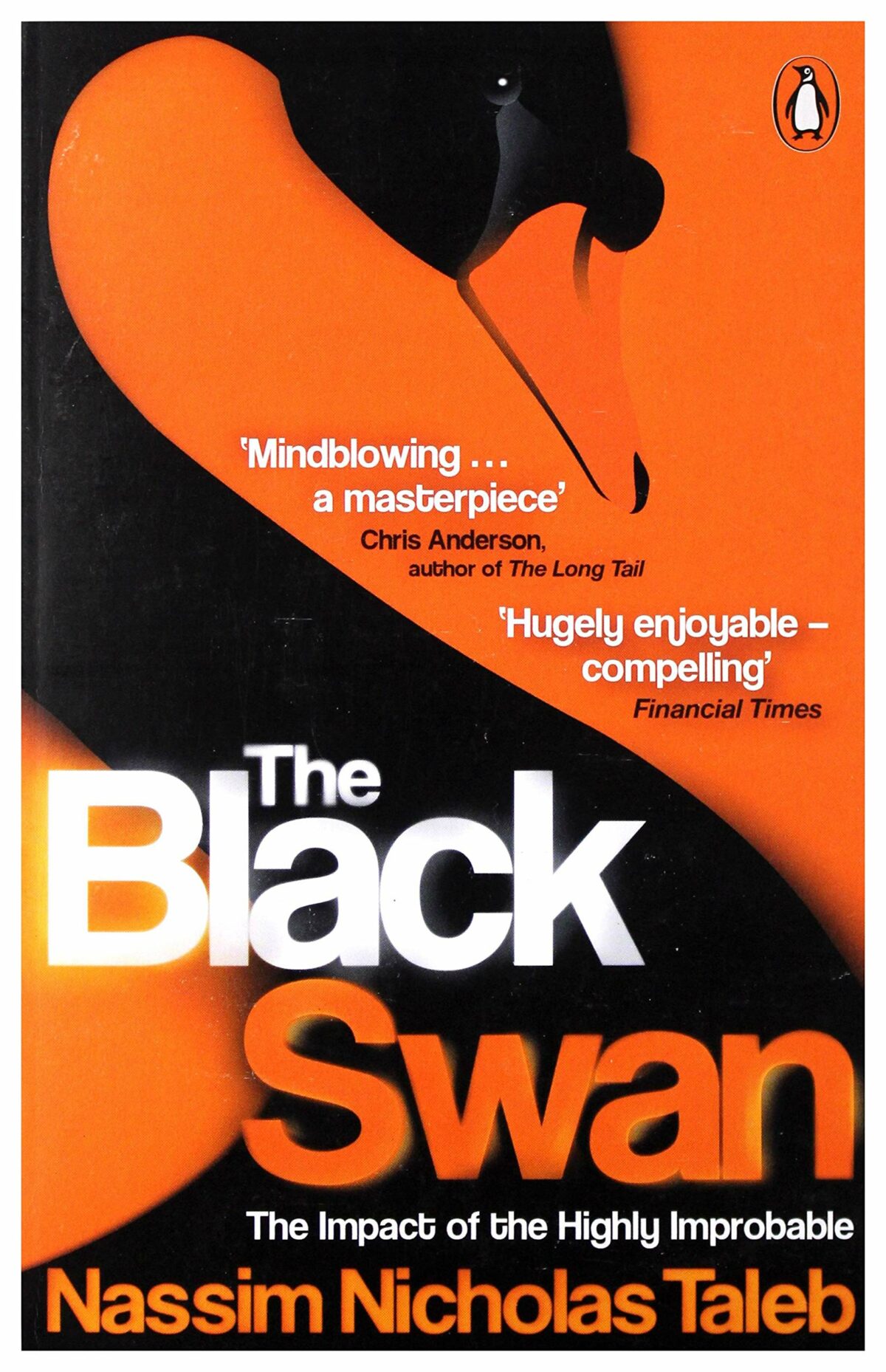
Black Swan

(2007) What have the invention of the wheel, Pompeii, the Wall Street Crash, Harry Potter and the internet got in common? Why are all forecasters con-artists? What can Catherine the Great’s lovers tell us about probability? Why should you never run for a train or read a newspaper? This book is all about Black Swans: the random events that underlie our lives, from bestsellers to world disasters. Their impact is huge; they’re impossible to predict; yet after they happen we always try to rationalize them. A rallying cry to ignore the ‘experts’, The Black Swan shows us how to stop trying to predict everything – and take advantage of uncertainty.

Of Mice and Men

Whatever You Think, Think the

There have been many books written on good business practice. All eminently sensible. All based on logic, common sense and good manners. Essential if you want to be a supermarket manager. But for those wishing to break new ground it is not enough. Logic and common sense have a habit of leading us to the same conclusions. If you are going to make your mark on the world you have to start thinking differently. To think differently you have to think illogically. Whatever You Think Think The Opposite looks at life the wrong way in a bid to explain the benefits of making wrong decisions.

Birth of Tragedy

(1993) A compelling argument for the necessity for art in life, Nietzsche’s first book is fuelled by his enthusiasms for Greek tragedy, for the philosophy of Schopenhauer and for the music of Wagner, to whom this work was dedicated. Nietzsche outlined a distinction between its two central forces: the Apolline, representing beauty and order, and the Dionysiac, a primal or ecstatic reaction to the sublime. He believed the combination of these states produced the highest forms of music and tragic drama, which not only reveal the truth about suffering in life, but also provide a consolation for it. Impassioned and exhilarating in its conviction, The Birth of Tragedy has become a key text in European culture and in literary criticism.

Pearl

(1993) “There it lay, the great pearl, perfect as the moon.” Like his father and grandfather before him, Kino is a poor diver, gathering pearls from the gulf beds that once brought great wealth to the Kings of Spain and now provide Kino, Juana, and their infant son with meager subsistence. Then, on a day like any other, Kino emerges from the sea with a pearl as large as a sea gull’s egg, as “perfect as the moon.” With the pearl comes hope, the promise of comfort and of security…. A story of classic simplicity, based on a Mexican folk tale, The Pearl explores the secrets of man’s nature, the darkest depths of evil, and the luminous possibilities of love.

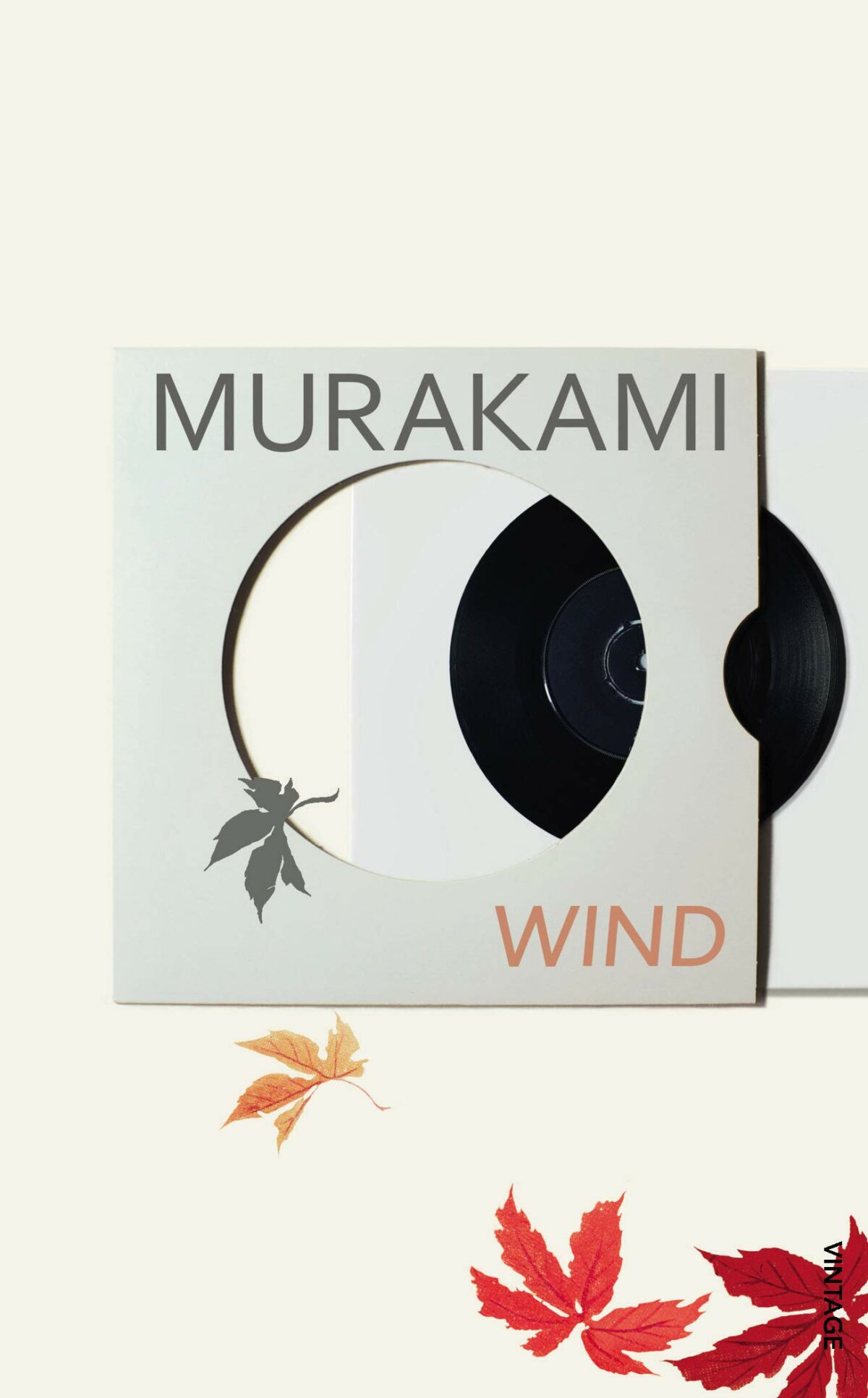
Hear the Wind Sing

(2016) In Hear the Wind Sing the narrator is home from college on his summer break. He spends his time drinking beer and smoking in J’s Bar with the Rat, listening to the radio, thinking about writing and the women he has slept with, and pursuing a relationship with a girl with nine fingers

Road Less Travelled

Confronting and solving problems is a painful process which most of us attempt to avoid. And the very avoidance results in greater pain and an inability to grow both mentally and spiritually. Drawing heavily on his own professional experience, leading psychiatrist Dr M. Scott Peck suggests ways in which facing our difficulties – and suffering through the changes – can enable us to reach a higher level of self-understanding. He discusses the nature of loving relationships: how to recognise true compatibility, how to distinguish dependency from love, how to become ones own person, and how to be a more sensitive parent. This is the bestselling self-help book that will change the way you live, and love, for good.