Intelligence

In Intelligence, Osho challenges the common conception that the best way to promote intelligence is to train the intellect. Intellect is logical, he says; intelligence is paradoxical. Intellect takes things apart to see how they work; intelligence puts things together to see the functioning of the whole. Osho posits that when our education systems put too much emphasis on developing intellect, an imbalance is created and both the individual and the society suffer. It is only through intelligence that we can respond creatively to the challenges of a changing world.

Intimacy

Hit-and-run relationships have become common in our society as it has grown more rootless, less tied to traditional family structures, and more accepting of casual sex. But at the same time, there arises an undercurrent of feeling that something is missing-a quality of intimacy. This quality has very little to do with the physical, though sex is certainly one possible door. Far more important is a willingness to expose our deepest feelings and vulnerabilities, with the trust that the other person will treat them with care. Ultimately, the willingness to take the risk of intimacy has to be grounded in an inner strength that knows that even if the other remains closed, even if that trust is betrayed, we will not suffer any permanent damage. In this gentle and compassionate guide, Osho takes his readers step-by-step through what makes people afraid of intimacy, how to encounter those fears and go beyond them, and what they can do to nourish themselves and their relationships to support more openness and trust. OSHO challenges readers to examine and break free of the conditioned belief systems and prejudices that limit their capacity to life in all its richness. He has been described by the Sunday Times of London as one of the “1000 Makers of the 20th Century” and by Sunday Mid-Day (India) as one of the ten people-along with Gandhi, Nehru, and Buddha-who have changed the destiny of India. More than a decade after his death in 1990, the influence of his teachings continues to expand, reaching seekers of all ages in virtually every country of the world.

Intuition

Intuition deals with the difference between the intellectual, logical mind and the more encompassing realm of spirit. Logic is how the mind knows reality, intuition is how the spirit experiences reality. Oshos discussion of these matters is wonderfully lucid, occasionally funny, and thoroughly engrossing. All people have a natural capacity for intuition, but often social conditioning and formal education work against it. People are taught to ignore their instincts rather than to understand and use them as a foundation for individual growth and development-and in the process they undermine the very roots of the innate wisdom that is meant to flower into intuition. In this volume, Osho pinpoints exactly what intuition is and gives guidelines for how to identify its functioning in others and ourselves. You will learn to distinguish between genuine intuitive insight and the “wishful thinking” that can often lead to mistaken choices and unwanted consequences. Includes many specific exercises and meditations designed to nourish and support each individuals natural intuitive gifts. OSHO challenges readers to examine and break free of the conditioned belief systems and prejudices that limit their capacity to experience life in all its richness. He has been described by the Sunday Times of London as one of the “1000 Makers of the 20th Century” and by Sunday Mid-Day (India) as one of the ten people-along with Gandhi, Nehru, and Buddha-who have changed the destiny of India. More than a decade after his death in 1990, the influence of his teachings continues to expand, reaching seekers of all ages in virtually every country of the world.
Creativity

As Osho points out in the foreward to this book, historically, the creative person has been all but forced to rebel against the society. But nowadays, the situation has dramatically changed. In today’s world, the ability to respond creatively to new challenges is demanded of everybody, from corporate CEOs to “soccer moms.” Those whose toolbox for dealing with life includes only what they have learned in the past from their parents and their teachers are at a distinct disadvantage both in their relationships and in their careers. Making a switch from imitative and rule-bound behavior to creative innovation and flexibility requires a profound change in our attitudes about ourselves and our capabilities. Creativity is a handbook for those who understand the need to bring more creativity, playfulness, and flexibility to their lives. It’s a manual for thinking “outside the box”-and learning to live there as well.

Maturity

In a culture infatuated with youth and determined to avoid old age at all costs, this book dares to raise a question that has been all but forgotten in the age of Viagra and cosmetic surgery. What benefits might lie in accepting the aging process as natural, rather than trying to hold on to youth and its pleasures all the way to the grave?Osho takes us back to the roots of what it means to grow up rather than just to grow old. Both in our relationships with others, and in the fulfillment of our own individual destinies, he reminds us of the pleasures that only true maturity can bring. He outlines the ten major growth cycles in human life, from the self-centered universe of the preschooler to the flowering of wisdom and compassion in old age.Osho’s sly sense of humor runs like a red thread through the book, along with a profound compassion and understanding of how easy it is to be distracted from the deeper meaning and purpose of our lives-which is, ultimately, to flower into our own individual uniqueness and maturity with an attitude of celebration and joy.

Awareness

Underlying all meditation techniques, including martial arts-and in fact underlying all great athletic performances-is a quality of being awake and present to the moment, a quality that Osho calls awareness. Once we can identify and understand what this quality of awareness is, we have the key to self-mastery in virtually every area of our lives. According to great masters like Lao Tzu or Buddha, most of us move through our lives like sleepwalkers. Never really present in what we are doing, never fully alert to our environment, and not even aware of what motivates us to do and say the things we do. At the same time, all of us have experienced moments of awareness-or awakening, to use another-in extraordinary circumstances. On the road, in a sudden and unexpected accident, time seems to stop and one is suddenly aware of every movement, every sound, every thought. Or in moments that touch us deeply-welcoming a new baby into the world for the first time, or being with someone at the moment of death. Awareness, says Osho, is the key to being self-directed, centered, and free in every aspect of our lives. In this book, Osho teaches how to live life more attentively, mindfully, and meditatively, with love, caring and consciousness. OSHO challenges readers to examine and break free of the conditioned belief systems and prejudices that limit their capacity to life in all its richness. He has been described by the Sunday Times of London as one of the “1000 Makers of the 20th Century” and by Sunday Mid-Day (India) as one of the ten people-along with Gandhi, Nehru, and Buddha-who have changed the destiny of India. More than a decade after his death in 1990, the influence of his teachings continues to expand, reaching seekers of all ages in virtually every country of the world.
Boundaries in Dating

(2000) Rules for Romance That Can Help You Find the Love of Your LifeBetween singleness and marriage lies the journey of dating. Want to make your road as smooth as possible? Set and maintain healthy boundaries–boundaries that will help you grow in freedom, honesty, and self-control.If many of your dating experiences have been difficult, Boundaries in Dating could revolutionize the way you handle relationships. Even if you’re doing well, the insights you’ll gain from this much-needed book can help you fine-tune or even completely readjust important areas of your dating life. Written by the authors of the bestselling book Boundaries, Boundaries in Dating is your road map to the kind of enjoyable, rewarding dating that can take you from weekends alone to a lifetime with the soul mate you’ve longed for

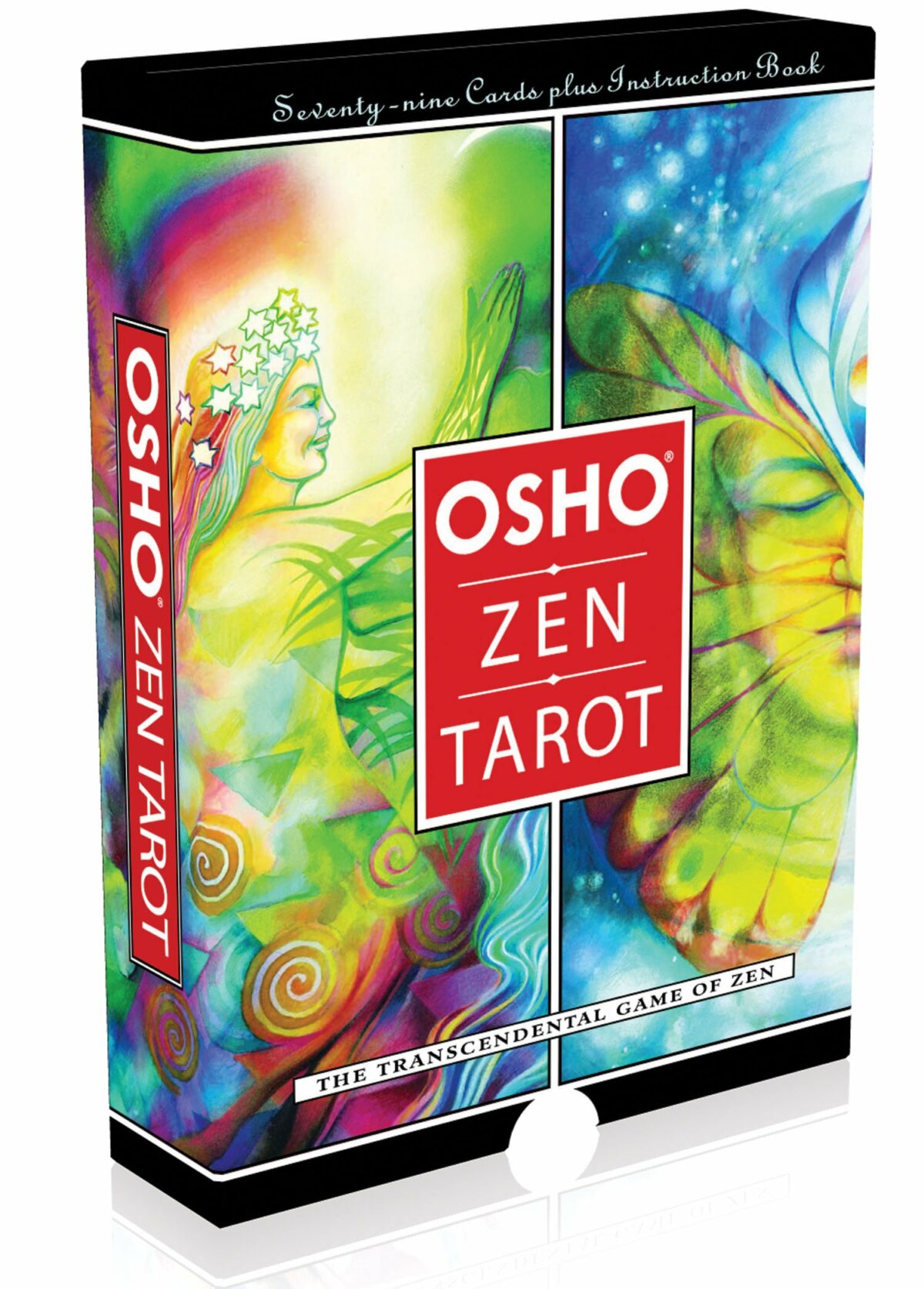
Osho Zen Tarot

When life seems to be full of doubt and uncertainty we tend to look for a source of inspiration: what will happen in the future? What about my health, the children? What will happen if I make this decision and not that one? This is how the traditional tarot is often used, to satisfy a longing to know about the past and future. This Osho Zen Tarot focuses instead on gaining an understanding of the here and now. It is a system based on the wisdom of Zen, a wisdom that says events in the outer world simply reflect in the outer world simply reflect our own thoughts and feelings, even though we ourselves might be unclear about what those thoughts and feelings are. So it helps us to turn our attention away from outside events so we can find a new clarity of understanding in our innermost hearts. The conditions and states of mind portrayed by the contemporary images on the cards are all shown as being essentially transitional and transformative. The text in the accompanying book helps to interpret and understand the images in the simple, straightforward and down to earth language of Zen.

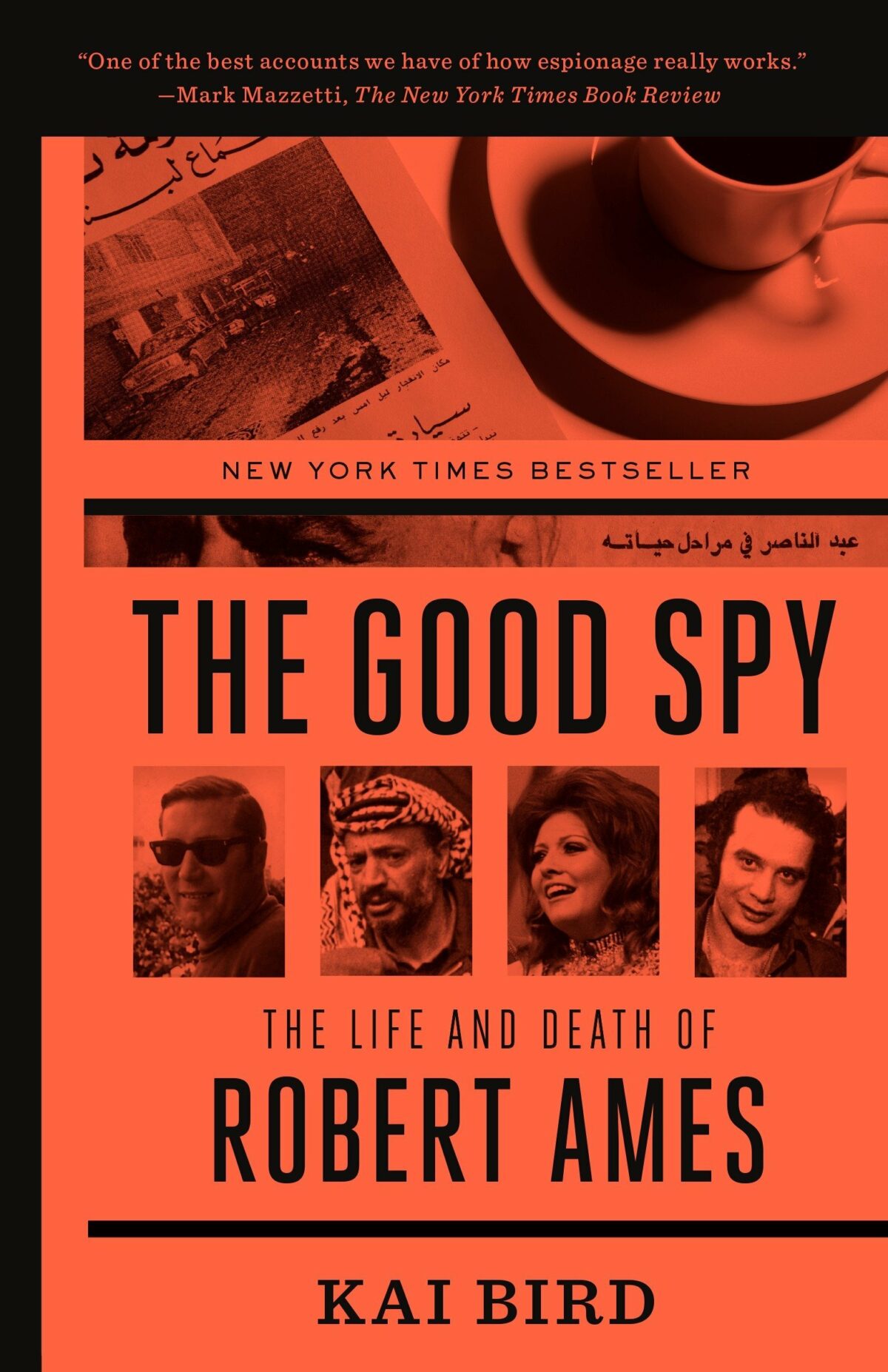
Good Spy

(2015) The Good Spy is Pulitzer Prize-winning biographer Kai Bird’s compelling portrait of the remarkable life and death of one of the most important operatives in CIA history – a man who, had he lived, might have helped heal the rift between Arabs and the West. On April 18, 1983, a bomb exploded outside the American Embassy in Beirut, killing 63 people. The attack was a geopolitical turning point. It marked the beginning of Hezbollah as a political force, but even more important, it eliminated America’s most influential and effective intelligence officer in the Middle East – CIA operative Robert Ames. What set Ames apart from his peers was his extraordinary ability to form deep, meaningful connections with key Arab intelligence figures. Some operatives relied on threats and subterfuge, but Ames worked by building friendships and emphasizing shared values – never more notably than with Yasir Arafat’s charismatic intelligence chief and heir apparent Ali Hassan Salameh (aka “The Red Prince”). Ames’ deepening relationship with Salameh held the potential for a lasting peace. Within a few years, though, both men were killed by assassins, and America’s relations with the Arab world began heading down a path that culminated in 9/11, the War on Terror, and the current fog of mistrust. Bird, who as a child lived in the Beirut Embassy and knew Ames as a neighbor when he was twelve years old, spent years researching The Good Spy. Not only does the book draw on hours of interviews with Ames’ widow, and quotes from hundreds of Ames’ private letters, it’s woven from interviews with scores of current and former American, Israeli, and Palestinian intelligence officers as well as other players in the Middle East “Great Game. What emerges is a masterpiece-level narrative of the making of a CIA officer, a uniquely insightful history of twentieth-century conflict in the Middle East, and an absorbing hour-by-hour account of the Beirut Embassy bombing. Even more impressive, Bird draws on his reporter’s skills to deliver a full dossier on the bombers and expose the shocking truth of where the attack’s mastermind resides today.

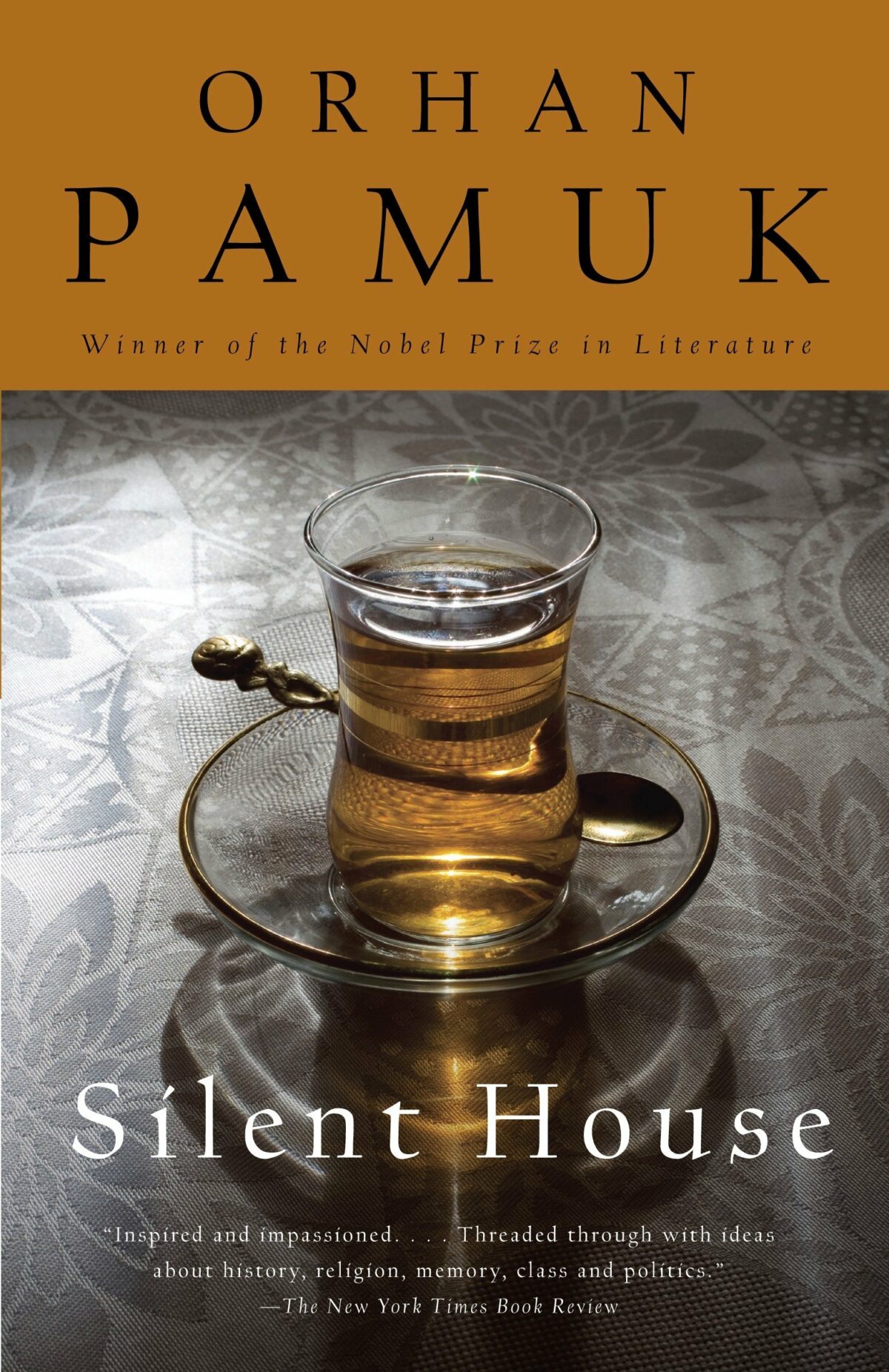
Silent House

(2013) In a crumbling mansion in a gentrified former fishing village on the Turkish coast, the widow Fatma awaits the annual visit of her grandchildren: Faruk, a dissipated historian; his sensitive leftist sister, Nilgün; and Metin, a high schooler drawn to the fast life of the nouveaux riche. Bedridden, Fatma is attended by her faithful servant Recep, a dwarf—and her late husband’s illegitimate son. Mistress and servant share memories, and grievances, from the past. But the arrival of Recep’s cousin, Hasan, a fervent right-wing nationalist, threatens to draw the family into the political cataclysm arising from Turkey’s tumultuous century-long struggle for modernity. Written in the 1980s but never before published in English, this spellbinding novel is a stunning addition to the works of Nobel Prize-winning author Orhan Pamuk.