

Archives
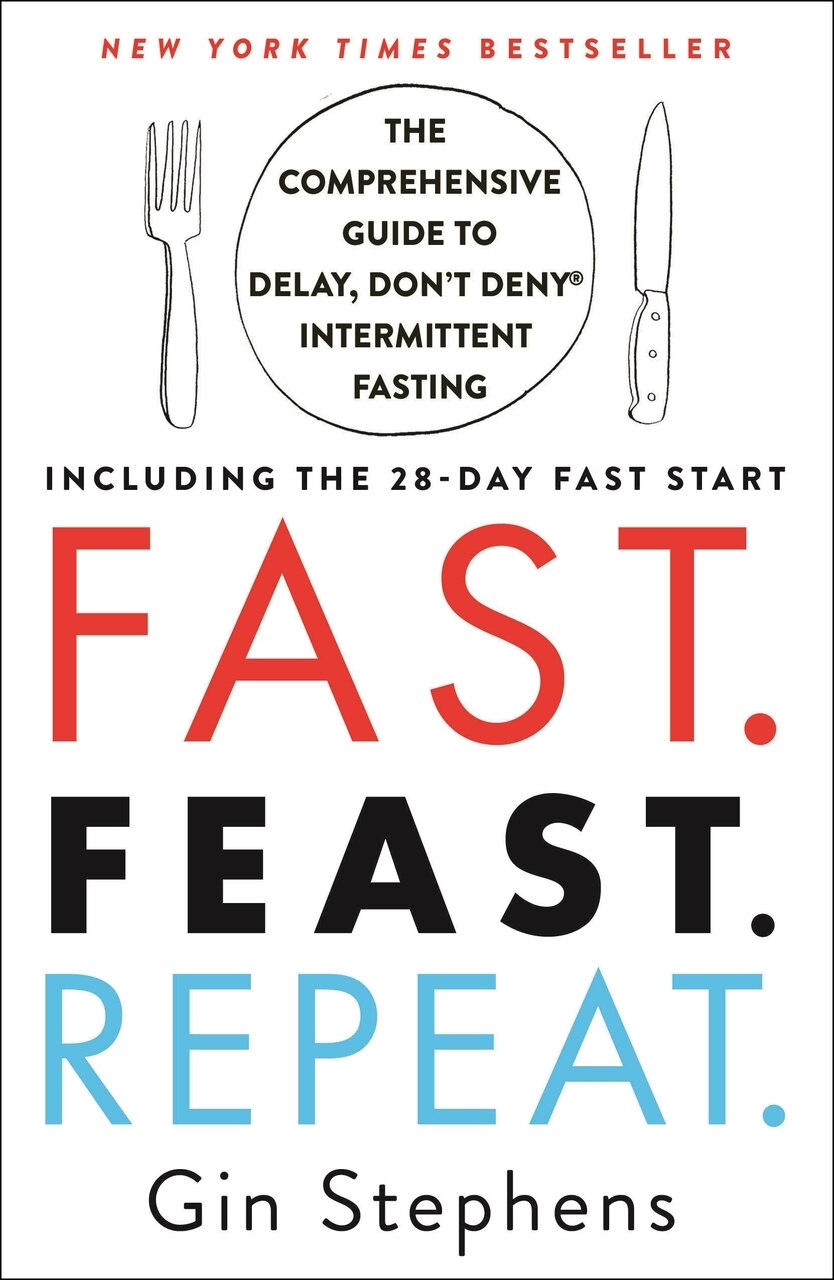
(2020) The instant New York Times and USA Today bestseller! Change when you eat and change your body, your health, and your life! Diets don’t work. You know you know that, and yet you continue to try them, because what else can you do? You can Fast. Feast. Repeat. After losing over eighty pounds and keeping every one of them off, Gin Stephens started a vibrant, successful online community with hundreds of thousands of members from around the world who have learned the magic of a Delay, Don’t Deny® intermittent fasting lifestyle. Fast. Feast. Repeat. has it all! You’ll learn how to work a variety of intermittent fasting approaches into your life, no matter what your circumstances or schedule. Once you’ve ignited your fat-burning superpower, you’ll get rid of “diet brain” forever, tweak your protocol until it’s second nature, and learn why IF is a lifestyle, not a diet. Fast. Feast. Repeat. is for everyone! Beginners will utilize the 28-Day FAST Start. Experienced intermittent fasters will strengthen their intermittent fasting practice, work on their mindset, and read about the latest research out of top universities supporting intermittent fasting as the health plan with a side effect of weight loss. Still have questions? Gin has you covered! All of the most frequently asked intermittent fasting questions are answered in the exhaustive FAQ section.

(2019) A modern guide to the teachings of Buddhism Buddhism: An Introduction to the Buddha’s Life, Teachings, and Practices is an indispensable guide to a 2,600-year-old wisdom tradition that has transformed the lives of millions across centuries and around the world. Readers will learn how Siddhartha Gautama became the Buddha, one of the most influential spiritual leaders of all time, and discover how they too can follow his revolutionary methods to attain happiness and inner freedom. Along with accessible overviews of central teachings?the Four Noble Truths, the Eightfold Path, karma, core virtues like kindness and compassion, and more?Buddhism covers such basics as: – the three main Buddhist traditions?Theravada, Mahayana, and Vajrayana?historically and their relevance today – the role of meditation and mindfulness in Buddhist practice – step-by-step instruction in key Buddhist practices Writing in an engaging, approachable style, author Joan Duncan Oliver outlines the fundamentals of Buddhism for every reader, revealing its timeless truths and their relevance for finding peace in uncertain times. A practitioner of Buddhist meditation for forty years, Oliver has written extensively on Buddhist wisdom and its application to daily life. Her practical approach makes Buddhism an essential modern guidebook to an ancient tradition.
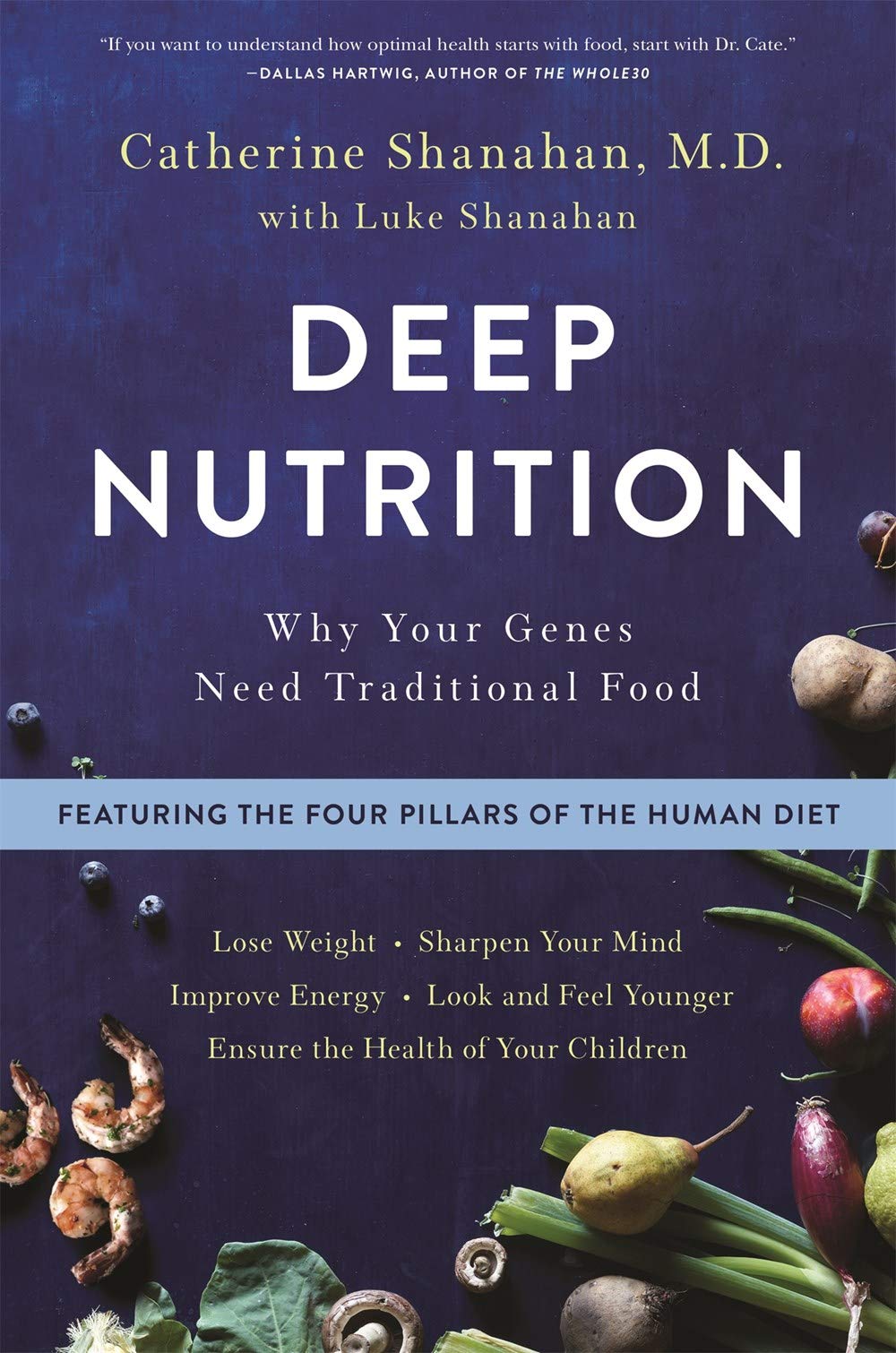
(2018) A self-published phenomenon examining the habits that kept our ancestors disease-free?now with a prescriptive plan for “The Human Diet” to help us all live long, vital, healthy lives. Physician and biochemist Cate Shanahan, M.D. examined diets around the world known to help people live longer, healthier lives?diets like the Mediterranean, Okinawa, and “Blue Zone”?and identified the four common nutritional habits, developed over millennia, that unfailingly produce strong, healthy, intelligent children, and active, vital elders, generation after generation. These four nutritional strategies?fresh food, fermented and sprouted foods, meat cooked on the bone, and organ meats?form the basis of what Dr. Cate calls “The Human Diet.” Rooted in her experience as an elite athlete who used traditional foods to cure her own debilitating injuries, and combining her research with the latest discoveries in the field of epigenetics, Dr. Cate shows how all calories are not created equal; food is information that directs our cellular growth. Our family history does not determine our destiny: what you eat and how you live can alter your DNA in ways that affect your health and the health of your future children. Deep Nutrition offers a prescriptive plan for how anyone can begin eating The Human Diet to: *Improve mood *Eliminate cravings and the need to snack *Boost fertility and have healthier children *Sharpen cognition and memory *Eliminate allergies and disease *Build stronger bones and joints *Get younger, smoother skin Deep Nutrition cuts through today’s culture of conflicting nutritional ideologies, showing how the habits of our ancestors can help us lead longer, healthier, more vital lives.
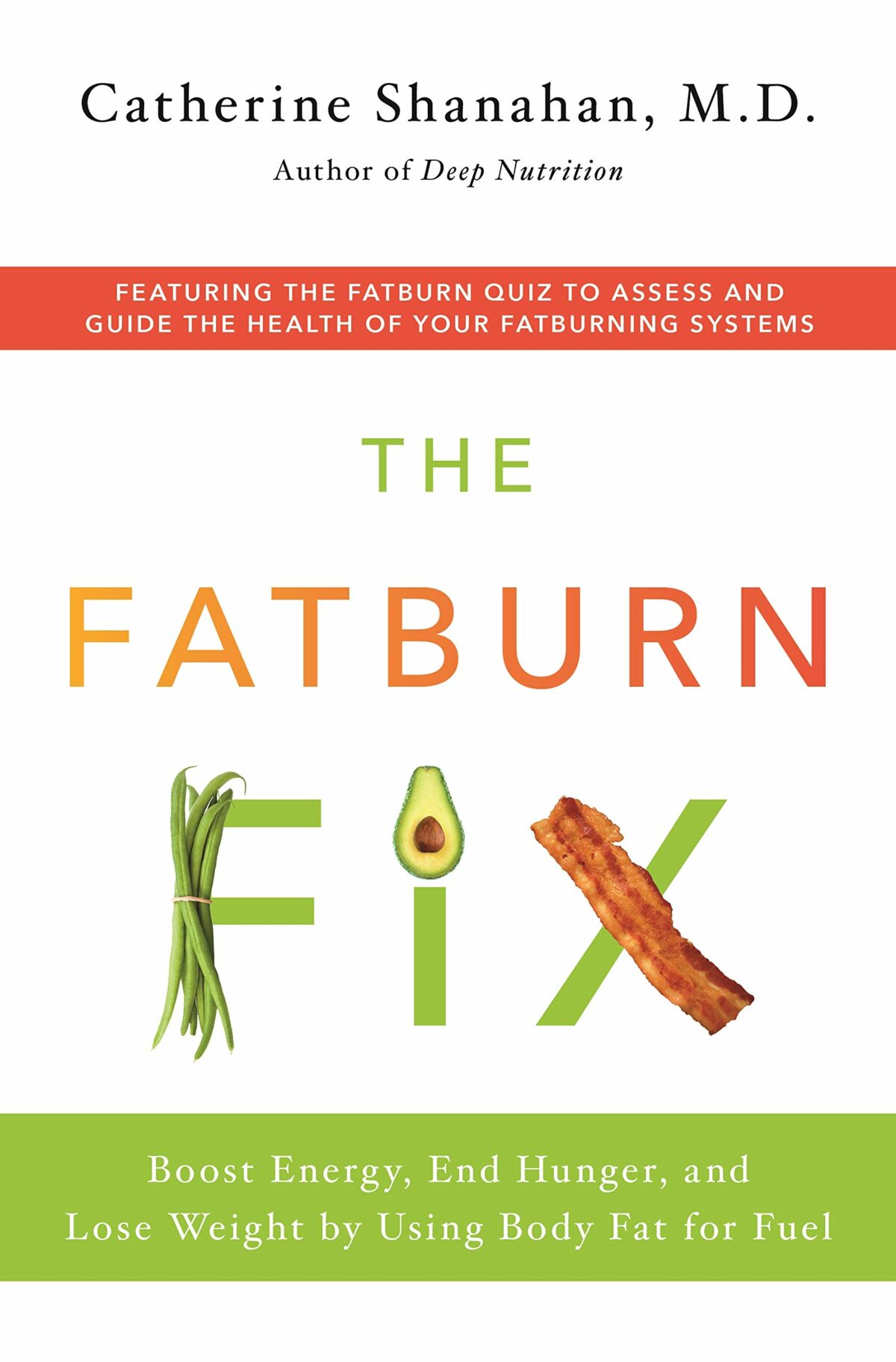
(2020) A proven plan to optimize your health by reclaiming your natural ability to burn body fat for fuel The ability to use body fat for energy is essential to health?but over decades of practice, renowned family physician Catherine Shanahan, M.D., observed that many of her patients could not burn their body fat between meals, trapping them in a downward spiral of hunger, fatigue, and weight gain. In The Fatburn Fix, Dr. Shanahan shows us how industrially produced vegetable oils accumulate in our body fat and disrupt our body’s energy-producing systems, driving food addictions that hijack our moods and habits while making it nearly impossible to control our weight. To reclaim our health, we need to detoxify our body fat and help repair our “fatburn” capabilities. Dr. Shanahan shares five important rules to fix your fatburn: 1) Eat natural fats, not vegetable oils. 2) Eat slow-digesting carbs, not starchy carbs or sweets. 3) Seek salt. 4) Drink plenty of water. 5) Supplement with vitamins and minerals. She then provides a revolutionary, step-by-step plan to help reboot your fatburn potential in as little as two weeks. This customizable two-phase plan is widely accessible, easy to follow, and will appeal to the full spectrum of diet ideologies, from plant-based to carnivore to keto and beyond. By making a few changes to what you eat and when, you will lose unwanted weight and restore your body’s ability to store and release energy. With The Fatburn Fix, Dr. Shanahan shows how regaining your fatburn is the key to effortless weight loss and a new, elevated life, paving the way to abundant energy and long-term health and happiness.
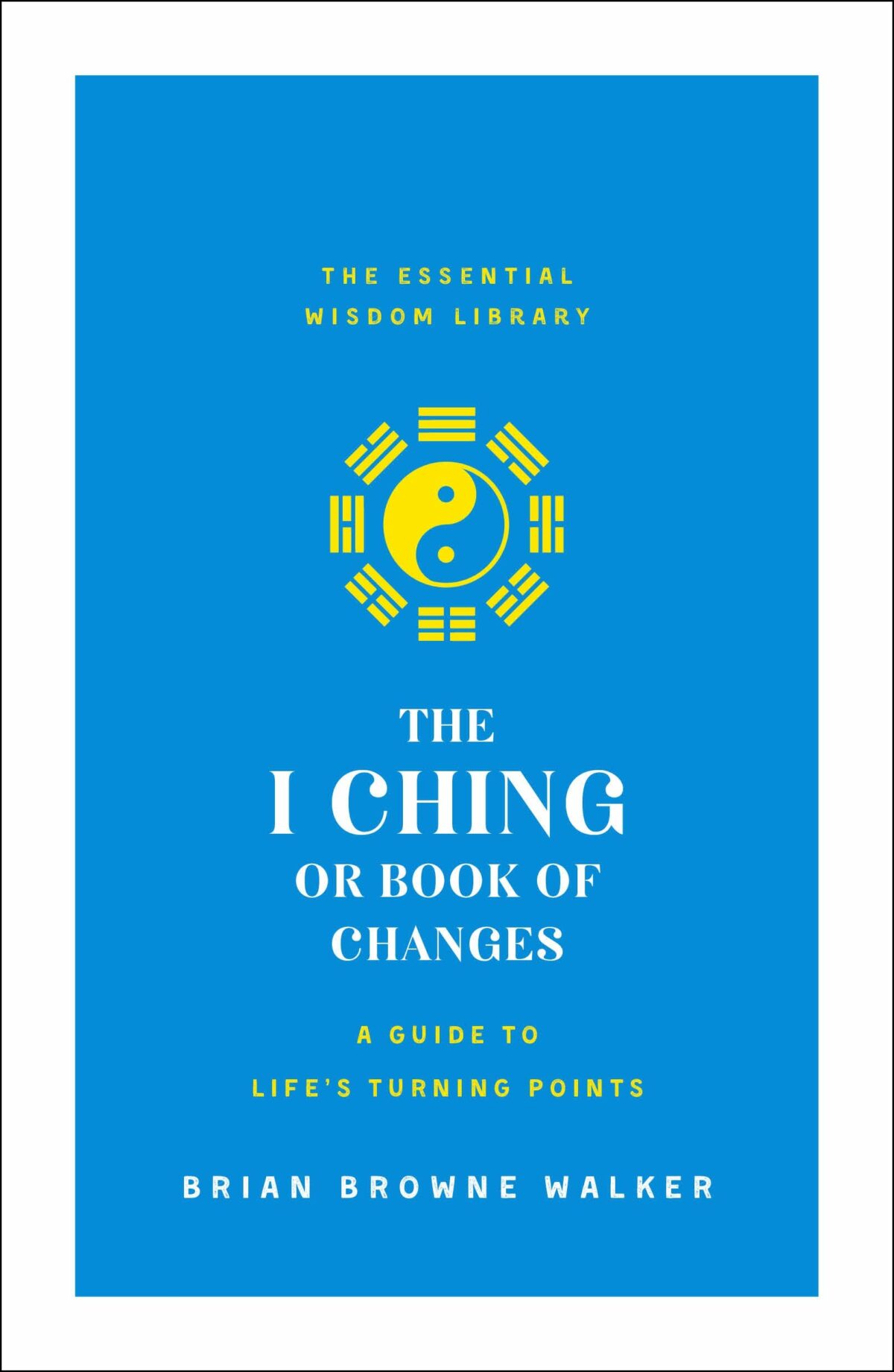
(2019) The bestselling translation of one of the world’s great classics, now in a beautiful new edition The I Ching, or Book of Changes, is a widely-beloved and foundational text of Chinese philosophy and Taoist wisdom. When its advice is sought with sincerity and sensitivity, it imparts profound perspective and and balance in living. Whether approached as an oracular text or viewed simply as a long-term spiritual school brought vividly to life by the casting of a hexagram in a daily reading or important moment, the I Ching dynamically reinforces values which inevitably lead their adherents to well-being and good fortune. The clear, direct language of Brian Browne Walker’s contemporary translation have made this one of the most accessible and popular versions of the I Ching in the world for decades.
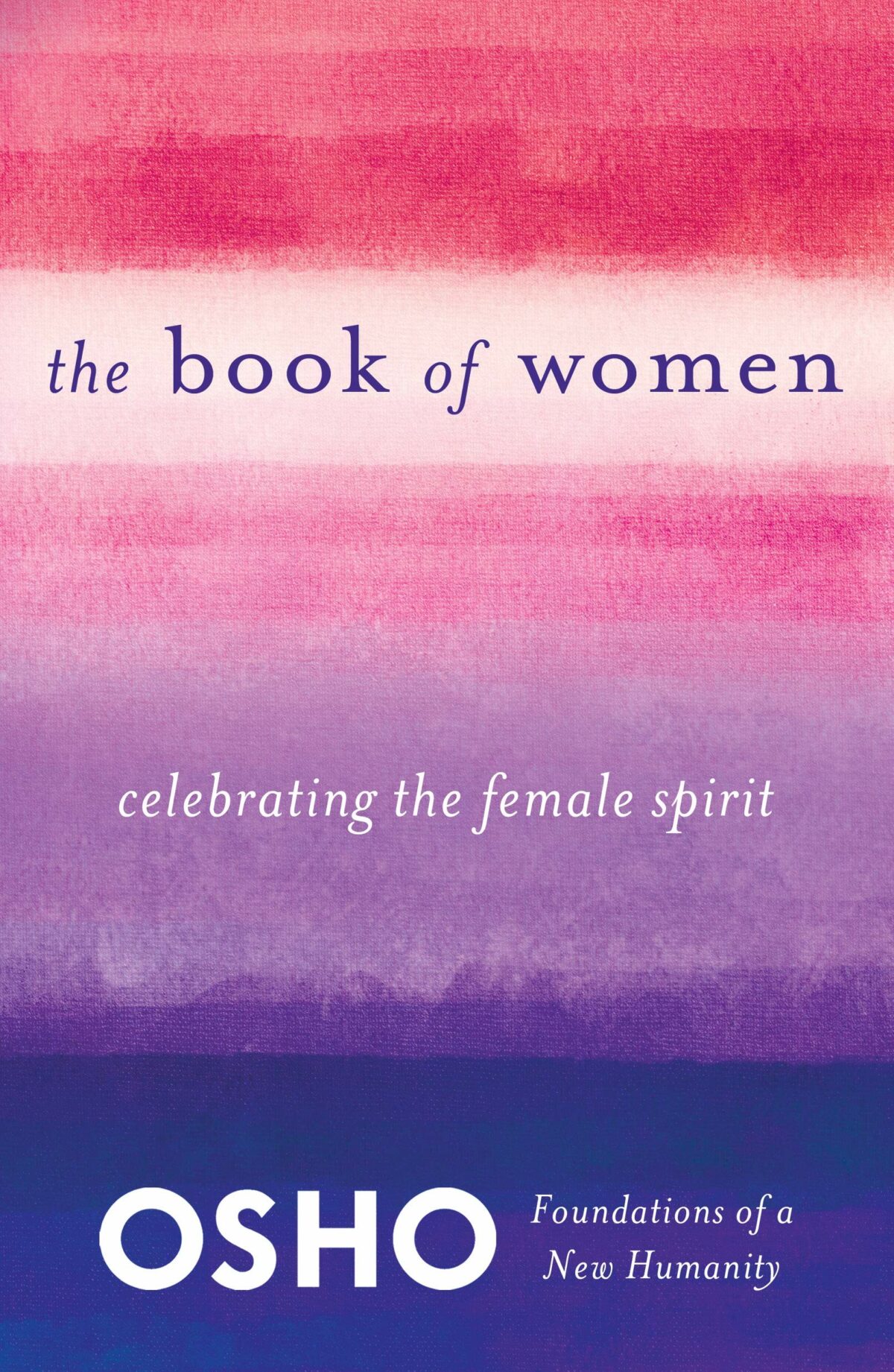
(2014) In The Book of Women: A Celebration of Women and the Female Spirit, one of the twentieth century’s greatest spiritual teachers discusses the importance and value of feminine strengths. “The woman should search into her own soul for her own potential and develop it, and she will have a beautiful future.”?Osho Osho explores the role of women in our society. Up until now, he says, both religious institutions and politics have remained male-dominated?not only male-dominated but male-chauvinistic. This has created so many of the crises that we see in the world now, brought about by excesses of ambition, competitiveness, and greed. In these pages, Osho challenges readers to reclaim and assert the feminine qualities of love, joy, and celebration to bring a reunion of the intellect and the heart that is so desperately needed. He looks to the female spirit in all of us as a way to nurture the soul and cultivate a healthy relationship with spirituality. Osho challenges readers to examine and break free of the conditioned belief systems and prejudices that limit their capacity to enjoy life in all its richness. He has been described by the Sunday Times of London as one of the “1000 Makers of the 20th Century” and by Sunday Mid-Day (India) as one of the ten people?along with Gandhi, Nehru, and Buddha?who have changed the destiny of India. Since his death in 1990, the influence of his teachings continues to expand, reaching seekers of all ages in virtually every country of the world.

(2017) In Trust: Living Spontaneously and Embracing Life, one of the greatest spiritual teachers of the twentieth century discusses the importance of believing in our own ideals and truths?and not giving in to the powerful societal influences that govern the world. We live in times where trust in old institutions and their relevance to our lives have evaporated. Religions, ideologies, political systems, morals, family, marriages?none of these traditional institutions are working anymore. Osho’s insight is that the institutions of the past have used the false substitutes of “belief” and “faith” as control mechanisms of society. Whereas authentic trust comes from within, belief systems are imposed from the outside by religious and social institutions. Osho encourages readers to rediscover and reclaim the innate trust that is born with each individual. No more demands to trust in an “other.” No more faith and belief, with their demands that we drop all questioning and doubt, but rather a willingness to honor our questions and doubts so fully that they will lead us to our unique, authentic, and individual truth. Osho challenges readers to examine and break free of the conditioned belief systems and prejudices that limit their capacity to enjoy life in all its richness. He has been described by the Sunday Times of London as one of the “1000 Makers of the 20th Century” and by Sunday Mid-Day (India) as one of the ten people?along with Gandhi, Nehru, and Buddha?who have changed the destiny of India. Since his death in 1990, the influence of his teachings continues to expand, reaching seekers of all ages in virtually every country of the world.
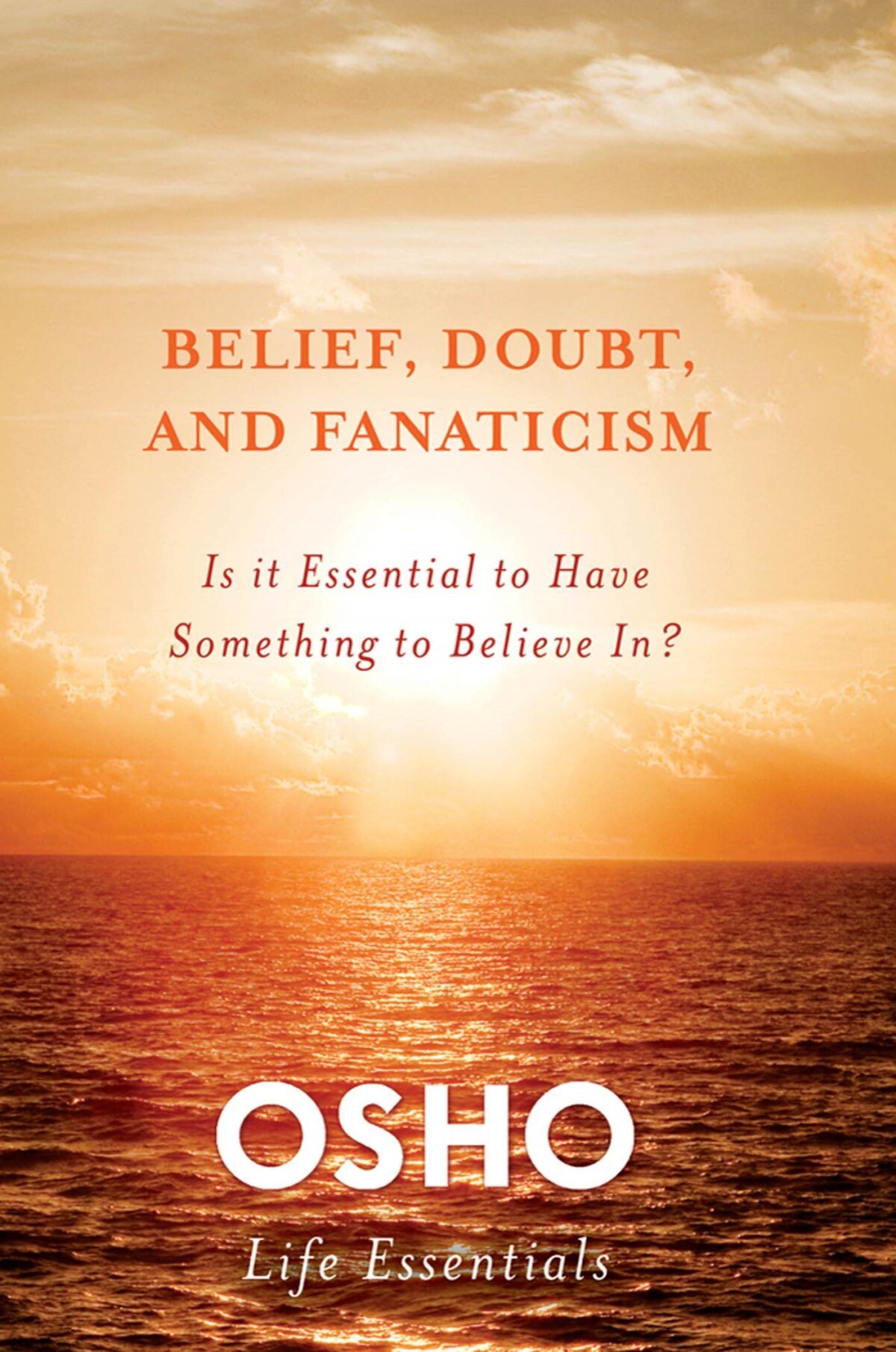
(2012) One of the greatest spiritual teachers of the twentieth century addresses the conflicts that arise between people with opposing views and the dangers of losing your individual identity in your desire to belong to a group with shared values. In Belief, Doubt, and Fanaticism: Is It Essential to Have Something to Believe In?, Osho brings his unique and often surprising perspective to the religious, political, social and economic forces that drive people into opposing camps, fanatical groups, and belief systems that depend on seeing every “other” as the “enemy.” As always, the focus is first and foremost on the individual psyche and consciousness, to identify the root causes and hidden demons of our human need to belong and have something to “believe in.” Osho challenges readers to examine and break free of the conditioned belief systems and prejudices that limit their capacity to enjoy life in all its richness. He has been described by the Sunday Times of London as one of the “1000 Makers of the 20th Century” and by Sunday Mid-Day (India) as one of the ten people—along with Gandhi, Nehru, and Buddha—who have changed the destiny of India. Since his death in 1990, the influence of his teachings continues to expand, reaching seekers of all ages in virtually every country of the world.

(2014) One of the greatest spiritual teachers of the twentieth century will show you how to develop your sense of being in the now—and avoid the distractions of both your busy environment and your wandering mind. When the mind disappears and thoughts disappear, you become mindful. What is mindfulness? It is awareness. It is perfect awareness. In Mindfulness in the Modern World: How Do I Make Meditation Part of Everyday Life?, Osho helps us explore both the inner and the outer obstacles that prevent us from bringing more awareness to all our daily activities. He emphasizes that while techniques can be useful in pointing the way, in themselves they are not meditation. Rather, meditation—or mindfulness—is ultimately a state of being in which we are capable of both action and stillness, work and play, and able to be fully present to each moment of life as it comes. Osho’s insights into the nature of the modern mind, with its tendency to judge and compare, provides a helpful entry point for longtime meditators as well as beginners. Mindfulness in the Modern World covers a wide range of topics, including five experiential techniques that will help you bring awareness to your everyday life. Osho challenges readers to examine and break free of the conditioned belief systems and prejudices that limit their capacity to enjoy life in all its richness. He has been described by the Sunday Times of London as one of the “1000 Makers of the 20th Century” and by Sunday Mid-Day(India) as one of the ten people—along with Gandhi, Nehru, and Buddha—who have changed the destiny of India. Since his death in 1990, the influence of his teachings continues to expand, reaching seekers of all ages in virtually every country of the world.