Cairo, The Practical Guide

(2011) The new, fully-revised edition for post-revolution Egypt The guide described by The New York Times as “indispensable,” newly researched and completely rewritten for 2011, fills a vital niche for expatriates and Cairenes alike who need a helping hand to organize—and enjoy—the challenges of a sojourn in Cairo. The basics of daily life—finding a flat, transporting personal goods, investigating school options for children, navigating Egypt’s famous bureaucracy, and the intricacies of feeding and clothing oneself and one’s family from the local market—are all detailed here. Advice gathered from a wide range of Cairo insiders, both native and foreign, gives the reader a cornucopia of current facts on prices, neighborhoods, product availability, work and business opportunities, and the dizzying range of cultural and leisure pursuits that Cairo is famous for. Cairo: The Practical Guide, now in its seventeenth edition, is the key to deciphering the complexities of living, working, and enjoying life in one of the world’s most exciting and dauntingly complex mega-cities.
Egypt National Geographic Trav

“Delightfully sumptuous.”—The Observer This fully illustrated, comprehensive travel guide with more than 175 color photographs and 20 detailed, full color maps, brings you the best of Egypt. Among its other features are: Charting Your Trip, a rich overview that helps tailor your visit to the time you have and your specific interests. Experiences, unique and hands-on, including sailing on a Nile felucca at Luxor and touring Sinai with Bedouins. Insider Tips on favorite hot spots, practicalities, and more. Walking Tours, with maps color-coded to site descriptions, including Islamic and Coptic Cairo and the Valley of the Kings. Excursions off the beaten path, including deep desert safaris and trips to little-visited but well-preserved ancient temples. “Sensational photos, superb maps, and prose that’s authoritative.” —San Francisco Chronicle “Rich with photography, maps, and historical context.” —Los Angeles Times

Germany

(2016) Lonely Planet Germany is your passport to the most relevant, up-to-date advice on what to see and skip, and what hidden discoveries await you. See storybook castles arise from the Bavarian forest, raise a stein to an oompah band in a Munich beer garden, and take in the vibrant Berlin arts scene; all with your trusted travel companion. Get to the heart of Germany and begin your journey now!

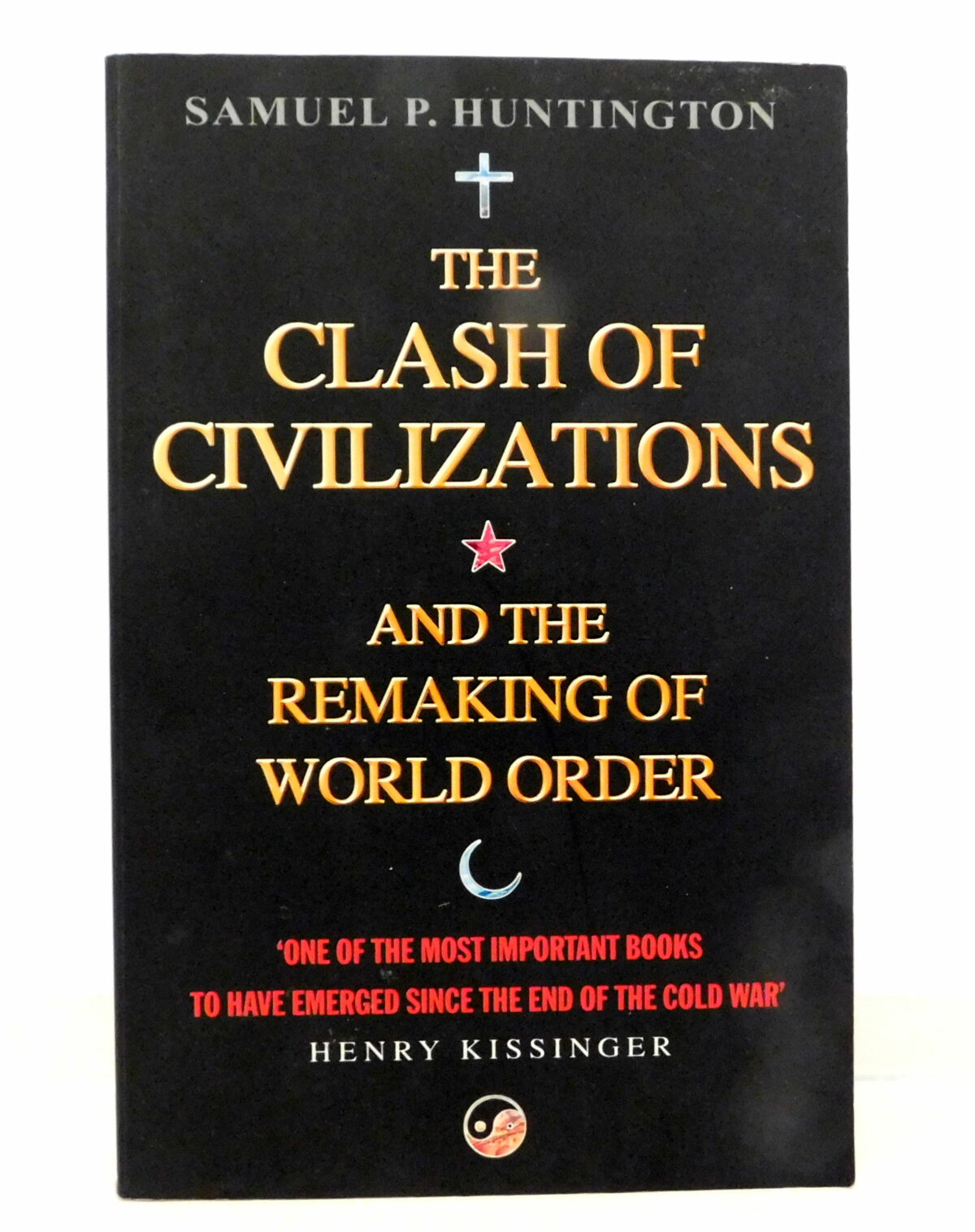
Clash of Civilizations

In this text, the author argues that as people increasingly define themselves by ethnicity and religion, the West will find itself more and more at odds with non-western civilizations that reject its ideals of democracy, human rights, liberty, the rule of law, and the separation of the church and state. Picturing a future of accelerated conflict and increasingly “de-Westernized” international relations, this text further argues for greater understanding of non-western civilizations and offers strategies for maximizing Western influence.

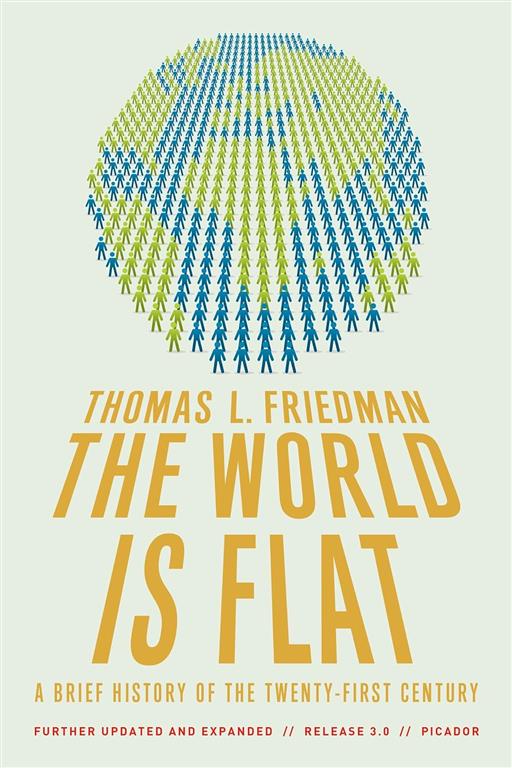
The World Is Flat 3.0: A Brief History of the Twenty-First C

One mark of a great book is that it makes you see things in a new way, and Mr. Friedman certainly succeeds in that goal,” the Nobel laureate Joseph E. Stiglitz wrote in The New York Times reviewing The World Is Flat in 2005. In this new edition, Thomas L. Friedman includes fresh stories and insights to help us understand the flattening of the world. Weaving new information into his overall thesis, and answering the questions he has been most frequently asked by parents across the country, this third edition also includes two new chapters–on how to be a political activist and social entrepreneur in a flat world; and on the more troubling question of how to manage our reputations and privacy in a world where we are all becoming publishers and public figures.

The World Is Flat 3.0 is an essential update on globalization, its opportunities for individual empowerment, its achievements at lifting millions out of poverty, and its drawbacks–environmental, social, and political, powerfully illuminated by the Pulitzer Prize–winning author of The Lexus and the Olive Tree.

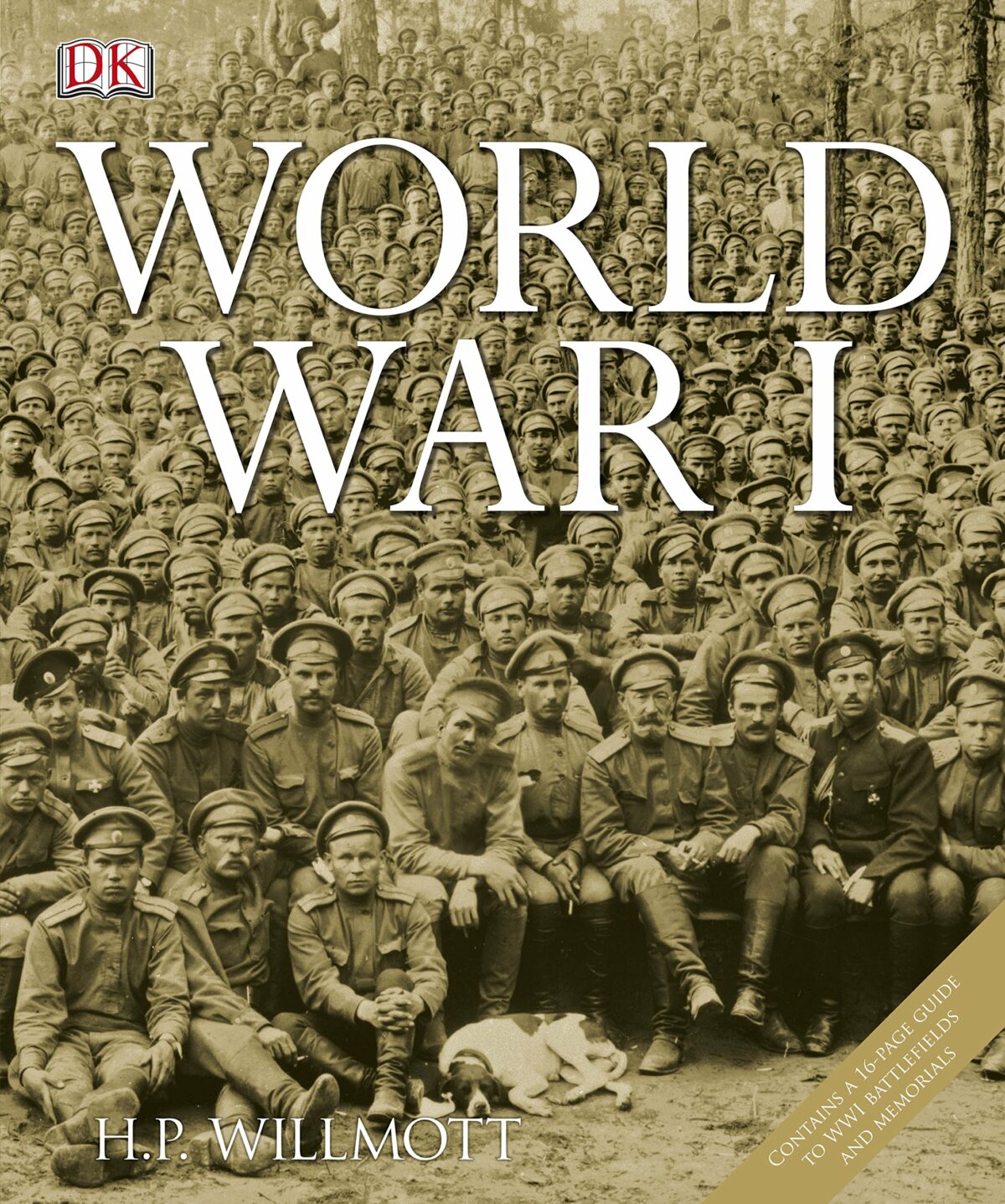
World War 1

2012 World War I is a dramatic account of the Great War combining emotive photography with personal accounts to evoke both the futility and spirit of the conflict.

Every aspect of World War I – sea, land and the home front – is explored. Re-live major campaigns through timelines, examine the decisions and military actions that decided each outcome and read compelling eyewitness accounts of soldiers and civilians that paint a vivid picture both of crucial battles and day-to-day routines. Plus, letters home and haunting war poetry highlight the most important aspect of “the war to end all wars”, its appalling human cost.

Also featuring a guide to the battlefield sites, memorials, cemeteries and visitor centres at Verdun, the Somme, Ypres and other locations commemorating the fallen, World War I is an exceptional guide to this important historical event.

The 100: A Ranking Of The Most Influential Persons In History

A list of the one hundred most influential people in history features descriptions of the careers, contributions, and accomplishments of the political and religious leaders, inventors, writers, artists, and others who changed the course of history. Simultaneous.

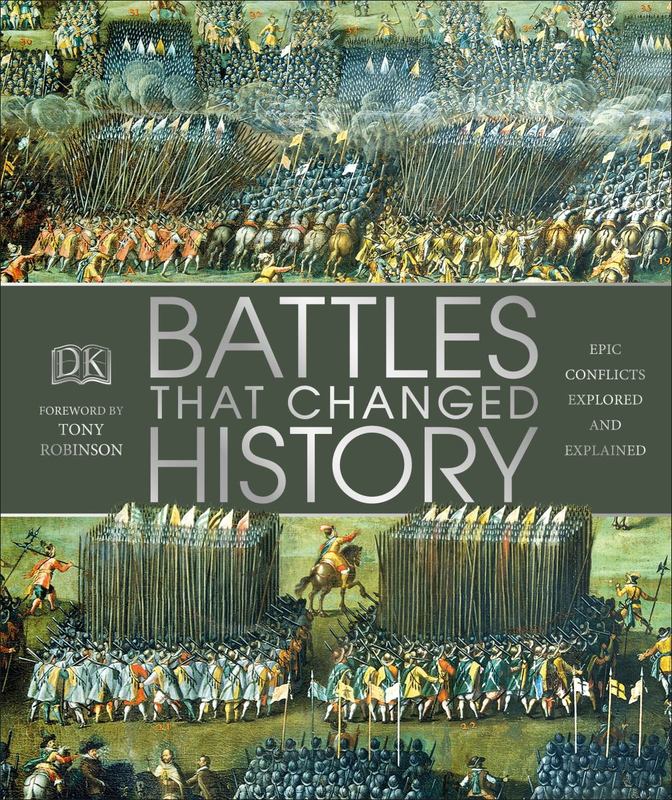
Battles that Changed History

(2018) From the fury of the Punic Wars to the icy waters of Dunkirk, relive 5,000 years of world-changing combat with this guide to the most famous battles in history, including a foreword from TV presenter and historian Tony Robinson.

This military history book takes you on a journey through the battlefields of history, from the ancient world to the American Civil War, World War 1, World War 2, the Cold War, and beyond. Maps, paintings, and photographs reveal the stories behind more than 90 of the most important battles ever to take place, and show how fateful decisions led to glorious victories and crushing defeats.

From medieval battles and great naval battles to the era of high-tech air battles, key campaigns are illustrated and analysed in detail – the weapons, the soldiers, and the military strategy. Famous military leaders are profiled, including Alexander the Great, Napoleon, and Rommel, and crucial arms, armour, and equipment are explained.

Whether at Marathon, Agincourt, Gettysburg, or Stalingrad, Battles that Changed History takes you into the thick of combat and shows how kingdoms and empires have been won and lost on the battlefield.

Politics Book

(2014) Learning about the vast concept of politics can be daunting, but The Politics Book makes it easier than ever by giving you all the big ideas, simply explained. Step-by-step summaries, graphics, and quotations help even the complete novice understand this fascinating subject.

More than 100 groundbreaking ideas in the history of politics are helpfully broken down so that abstract topics, such as theoretical foundations and practical applications become real. Topics span from ancient political thought and medieval politics all the way to world war and modern politics. Features a handy reference section complete with a glossary of political terms and a directory of political thinkers, such as Plato, John Locke, and Karl Marx.

The Politics Book is the essential reference for students of politics and anyone with an interest in how government works

We Chose to Speak of War and S

(2016) In corners of the globe where fault-lines seethe into bloodshed and civil war, foreign correspondents have, for hundreds of years, been engaged in uncovering the latest news and – despite obstacles bureaucratic, political, violent – reporting it by whatever means available. It’s a working life that is difficult, exciting and undeniably glamorous. We Chose to Speak of War and Strife brings us pivotal moments in our history – from the Crimean War to Vietnam; the siege of Sarajevo to the fall of Baghdad – through the eyes of those who risked life and limb to witness them first hand, and the astonishing tales of what it took to report them. These stories celebrate an endangered tradition. Where once despatches were trusted to the hands of a willing sea-captain, telegraph operator or stranger in an airport queue prepared to spirit a can of undeveloped film back to London, today the digital realm has transformed the relaying of the news – even if the work of gathering it in the field has changed little. Weaving the tales of the greats of yesterday and today, such as Martha Gellhorn, Ernest Hemingway, Don McCullin and Marie Colvin, with extraordinary accounts from his own lifetime on the frontlines, this is a deeply personal book from a master of the profession, the most distinguished foreign correspondent of our time.