
Greg Heffley’s dad is on a mission! He’s decided it’s time for this wimpy kid to become, well, less wimpy and has planned lots of “manly” activities for him and his son.
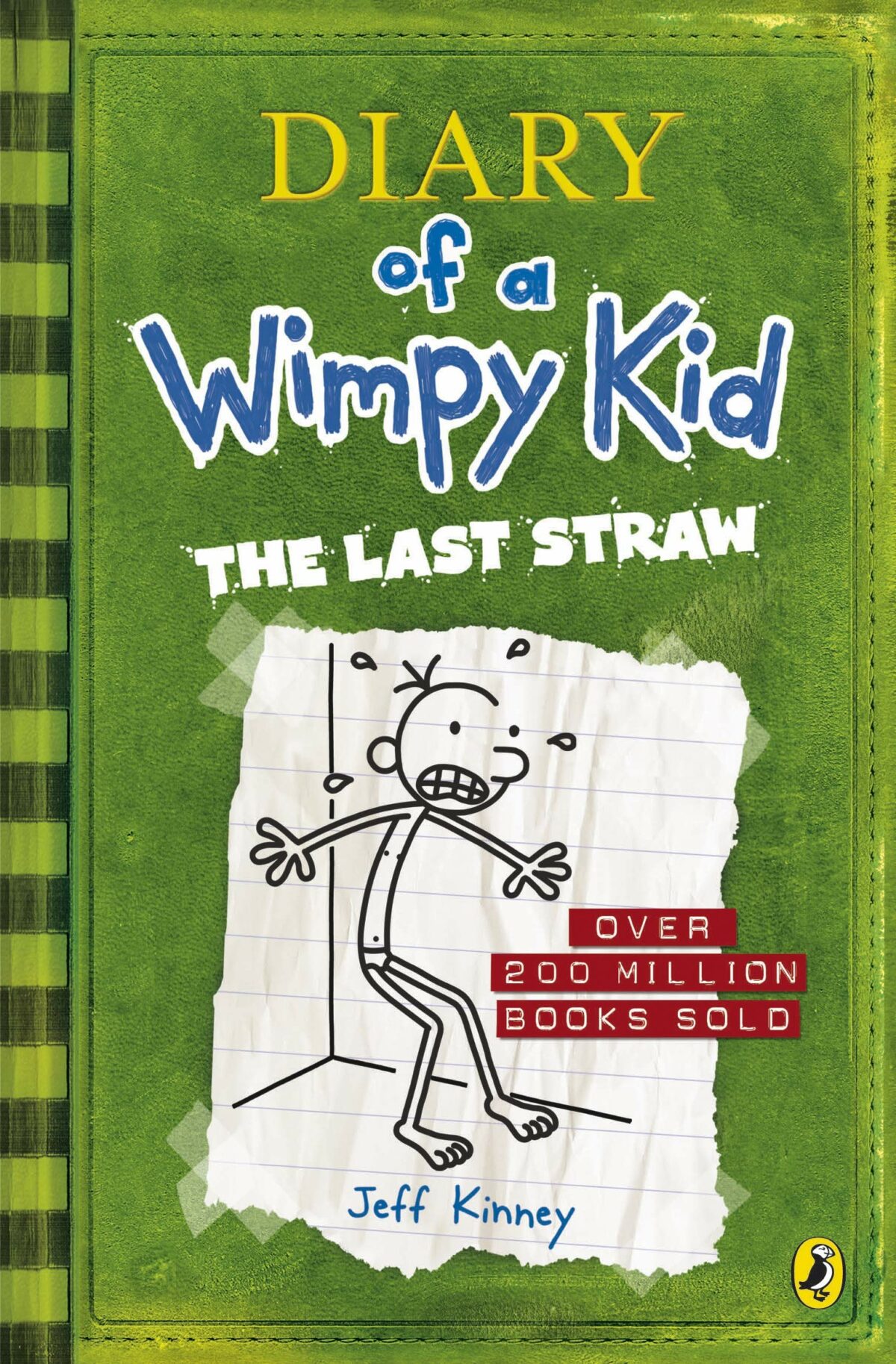
Greg Heffley’s dad is on a mission! He’s decided it’s time for this wimpy kid to become, well, less wimpy and has planned lots of “manly” activities for him and his son.
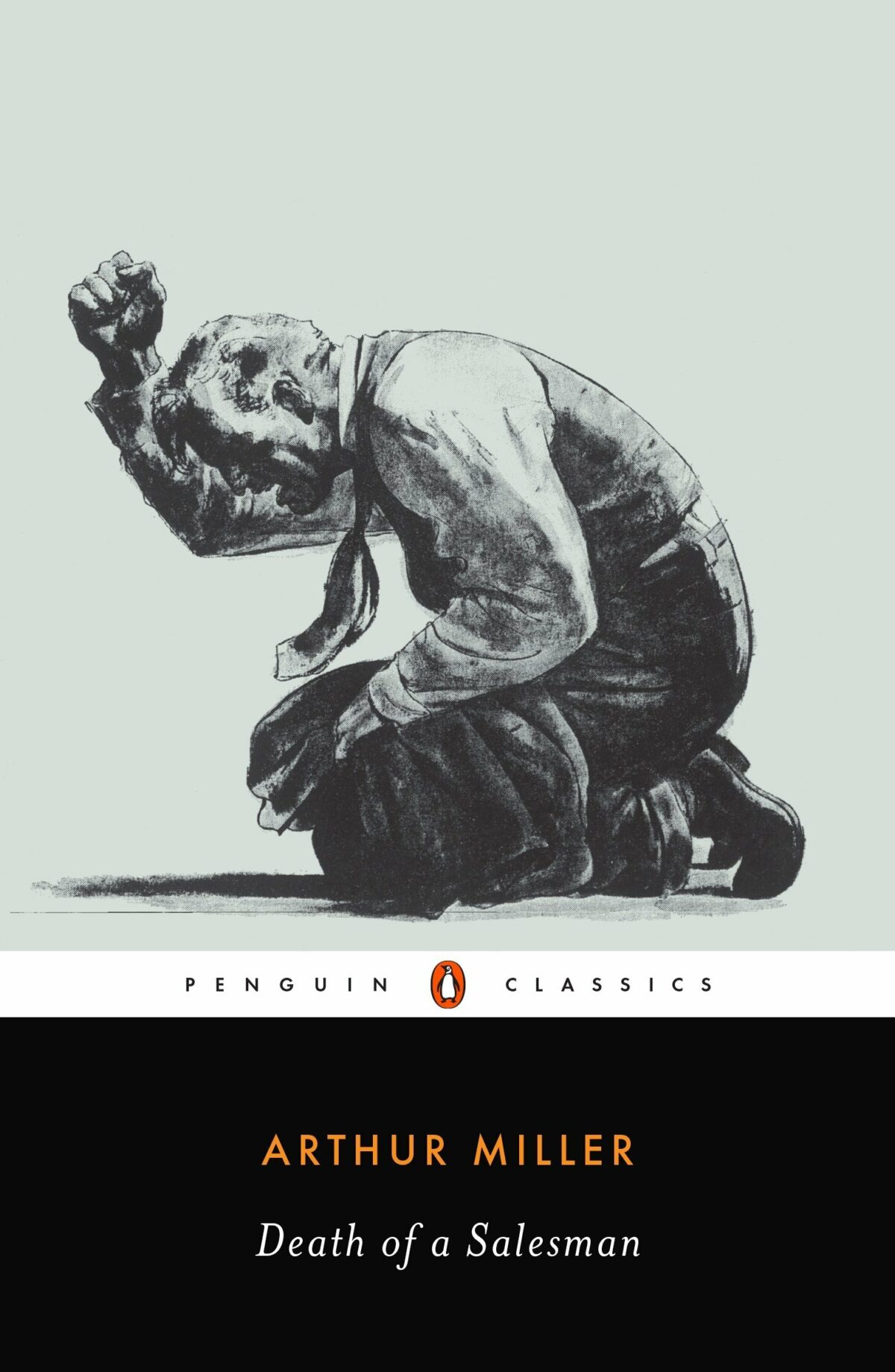
(1949) Arthur Miller’s classic portrait of an ordinary man’s struggle to leave his mark on the world — now in Twentieth-Century Classics for the first time On its New York premiere in 1949, Death of a Salesman was hailed as the first great play to lay bare the emptiness of America’s relentless drive for material success. The extraordinary success of the play throughout the world over a period of nearly fifty years, however, highlights what is perhaps its greatest strength. In the words of Christopher Bigsby, the noted Miller scholar who has provided the Introduction to this edition, “If Willy Loman’s dream is an American dream, it is also a dream shared by all those who are aware of the gap between what they might have been and what they are”. Willy Loman, the protagonist of Death of a Salesman, has spent his life following the American way, living out his belief in salesmanship as a way to reinvent himself. But somehow the riches and respect he covets have eluded him. At age sixty-three, he searches for the moment his life took a wrong turn, the moment of betrayal that undermined his relationship with his wife and destroyed his relationship with Biff, the son in whom he invested his faith. Willy lives in a fragile fantasy world of elaborate excuses and daydreams, conflating past and present in a desperate attempt to make sense of himself and of a world that once promised so much.
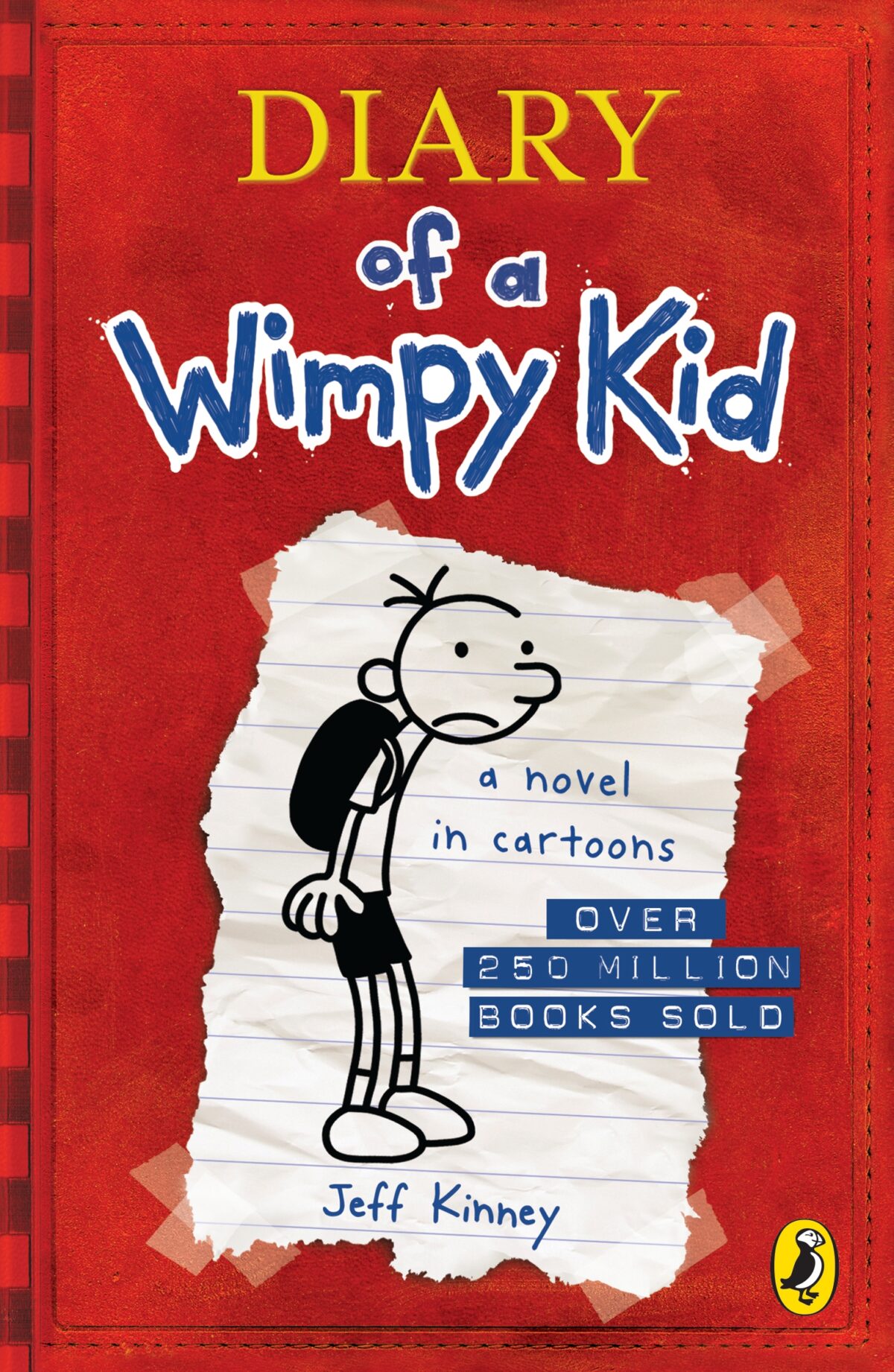
(2007) The hilarious and original global bestseller Diary of a Wimpy Kid – perfect for readers of 8+ and also reluctant readers, everyone loves the adventures of Greg Heffley. You can also discover Diary of a Wimpy Kid on the big screen in the major motion blockbusting Wimpy Kid Movie franchise. Let me get something straight: this is a JOURNAL, not a diary. This was Mom’s idea, not mine. But if she thinks I’m going to write down my “feelings” in here or whatever, she’s crazy. The only reason I agreed to do this at all is because I figure later on when I’m rich and famous, this book is gonna come in handy. But for now I’m stuck with a bunch of morons. Today is the first day of school, so I figured I might as well write in this book to pass the time. Just don’t expect me to be all “Dear Diary” this and “Dear Diary” that.

Why do some people achieve so much more than others? Can they lie so far out of the ordinary? In his provocative and inspiring book, Malcolm Gladwell looks at everyone from rock stars to professional athletes, software billionaires to scientific geniuses, to show that the story of success is far more surprising, and more fascinating, than we could ever have imagined. He reveals that it’s as much about where we’re from and what we do, as who we are – and that no one, not even a genius, ever makes it alone. Outliers will change the way you think about your own life story, and about what makes us all unique. Like Blink, this is a landmark work that will simultaneously delight and illuminate.

In this brilliant and provocative book, covering everything from criminology to ketchup, job interviews to dog training, Malcolm Gladwell shows how the most ordinary subjects can illuminate the most extraordinary things about us and our world. Looking under the surface of the seemingly mundane, he explores the underdogs, the overlooked, the curious, the miraculous and the disastrous, and reveals how everyone and everything contains an incredible story. What the Dog Saw is Gladwell at his very best – asking questions and finding surprising answers.
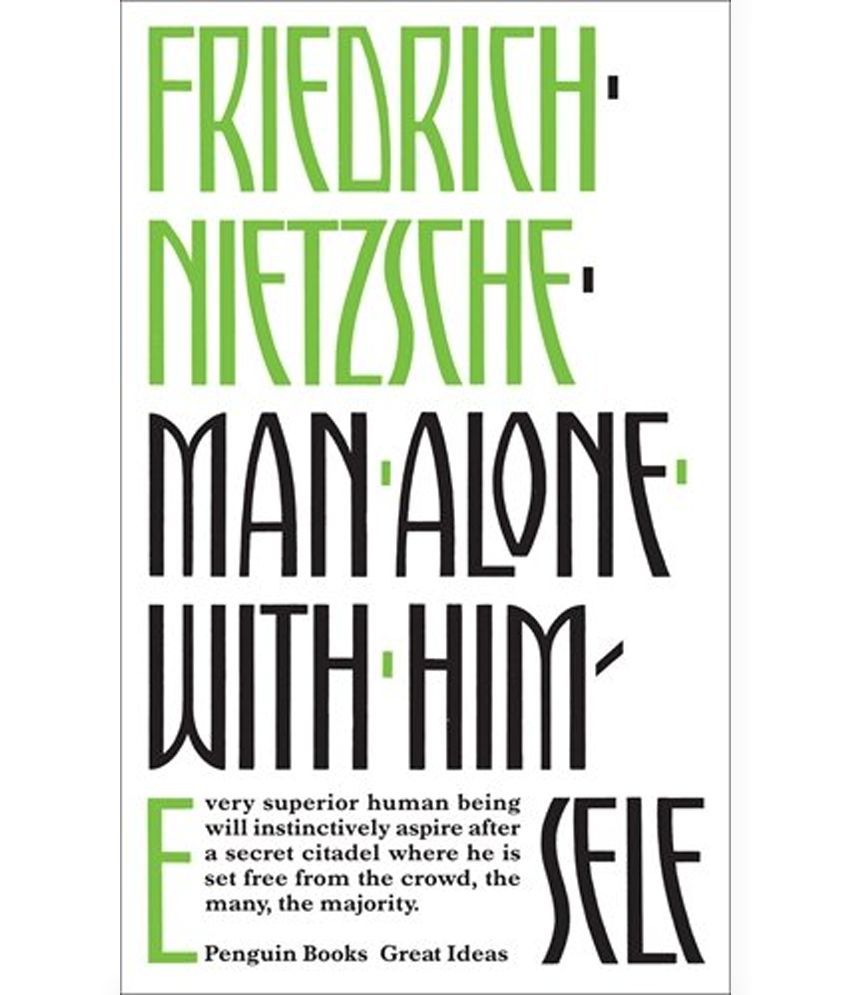
Friedrich Nietzsche was one of the most revolutionary thinkers in Western philosophy. Here he sets out his subversive views in a series of aphorisms on subjects ranging from art to arrogance, boredom to passion, science to vanity, rejecting conventional notions of morality to celebrate the individual’s ‘will to power’. Throughout history, some books have changed the world. They have transformed the way we see ourselves – and each other. They have inspired debate, dissent, war and revolution. They have enlightened, outraged, provoked and comforted. They have enriched lives – and destroyed them. Now Penguin brings you the works of the great thinkers, pioneers, radicals and visionaries whose ideas shook civilization and helped make us who we are.
Eckhart Tolles “A New Earth” will be a cornerstone for personal spirituality and self-improvement for years to come, leading readers to a new levels of consciousness and inner peace. Taking off from the introspective work “The Power of Now”, which is a number one bestseller and has sold millions of copies worldwide, Tolle provides the spiritual framework for people to move beyond themselves in order to make this world a better, more spiritually evolved place to live. Shattering modern ideas of ego and entitlement, self and society, Tolle lifts the veil of fear that has hung over humanity during this new millennium, and shines an illuminating light that leads to happiness and health that every reader can follow.
(2009) Nudge is about choices – how we make them and how we can make better ones. Every day we make decisions: about the things that we buy or the meals we eat; about the investments we make or our children’s health and education; even the causes that we champion or the planet itself. Unfortunately, we often choose poorly. We are all susceptible to biases that can lead us to make bad decisions. And, as Thaler and Sunstein show, no choice is ever presented to us in a neutral way. By knowing how people think, we can make it easier for them to choose what is best for them, their families and society. Using dozens of eye-opening examples and original research, the authors demonstrate how to nudge us in the right directions, without restricting our freedom of choice. ‘How often do you read a book that is both important and amusing, both practical and deep? … A must-read for anyone who wants to see both our minds and our society working better’ Daniel Kahneman, author of Thinking, Fast and Slow ‘I love this book. It is one of the few books I’ve read recently that fundamentally changes the way I think about the world’ Steven D. Levitt, co-author of Freakonomics
(2011) The New York Times Bestseller, acclaimed by author such as Freakonomics co-author Steven D. Levitt, Black Swan author Nassim Nicholas Taleb and Nudge co-author Richard Thaler, Thinking Fast and Slow offers a whole new look at the way our minds work, and how we make decisions. Why is there more chance we’ll believe something if it’s in a bold type face? Why are judges more likely to deny parole before lunch? Why do we assume a good-looking person will be more competent? The answer lies in the two ways we make choices: fast, intuitive thinking, and slow, rational thinking. This book reveals how our minds are tripped up by error and prejudice (even when we think we are being logical), and gives you practical techniques for slower, smarter thinking. It will enable to you make better decisions at work, at home, and in everything you do.
(2007) What have the invention of the wheel, Pompeii, the Wall Street Crash, Harry Potter and the internet got in common? Why are all forecasters con-artists? What can Catherine the Great’s lovers tell us about probability? Why should you never run for a train or read a newspaper? This book is all about Black Swans: the random events that underlie our lives, from bestsellers to world disasters. Their impact is huge; they’re impossible to predict; yet after they happen we always try to rationalize them. A rallying cry to ignore the ‘experts’, The Black Swan shows us how to stop trying to predict everything – and take advantage of uncertainty.