Lord of the Rings 2 Two Towers

(1954) Building on the story begun in The Hobbit and The Fellowship of the Ring this is the second part of Tolkien’s epic masterpiece, The Lord of the Rings, featuring a striking black cover based on Tolkien’s own design, the definitive text, and a detailed map of Middle-earth. Frodo and the Companions of the Ring have been beset by danger during their quest to prevent the Ruling Ring from falling into the hands of the Dark Lord by destroying it in the Cracks of Doom. They have lost the wizard, Gandalf, in the battle with an evil spirit in the Mines of Moria; and at the Falls of Rauros, Boromir, seduced by the power of the Ring, tried to seize it by force. While Frodo and Sam made their escape the rest of the company were attacked by Orcs. Now they continue their journey alone down the great River Anduin – alone, that is, save for the mysterious creeping figure that follows wherever they go.

Lord of the Rings 3 Return of

(1955) Concluding the story of The Hobbit, this is the final part of Tolkien’s epic masterpiece, The Lord of the Rings, featuring a striking black cover based on Tolkien’s own design, the definitive text, and a detailed map of Middle-earth. The armies of the Dark Lord Sauron are massing as his evil shadow spreads even wider. Men, Dwarves, Elves and Ents unite forces to do battle against the Dark. Meanwhile, Frodo and Sam struggle further into Mordor, guided by the treacherous creature Gollum, in their heroic quest to destroy the One Ring… JRR Tolkien’s great work of imaginative fiction has been labelled both a heroic romance and a classic fantasy fiction. By turns comic and homely, epic and diabolic, the narrative moves through countless changes of scene and character in an imaginary world which is totally convincing in its detail. Tolkien created a vast new mythology in an invented world which has proved timeless in its appeal. Part of a set of three paperbacks, this popular edition is once again available in its classic black livery designed by Tolkien himself.

Three Daughters of Eve

(2017) Set across Istanbul and Oxford, from the 1980s to the present day, Three Daughters of Eve is a sweeping tale of faith and friendship, tradition and modernity, love and an unexpected betrayal. Peri, a wealthy Turkish housewife and mother, is on her way to a dinner party at a seaside mansion in Istanbul when a beggar snatches her handbag. As she wrestles to get it back, a photograph falls to the ground – an old polaroid of three young women and their university professor. A relic from a past – and a love Peri had tried desperately to forget. The photograph takes Peri back to Oxford University, as nineteen year old sent abroad for the first time. To her dazzling, rebellious Professor and his life-changing course on God. To the house she shares with her two best friends, Shirin and Mona, and their arguments about identity, Islam and feminism. And finally, to the scandal that tore them all apart. Shirin, Peri and Mona, they were the most unlikely of friends. They were the Sinner, the Believer and the Confused.

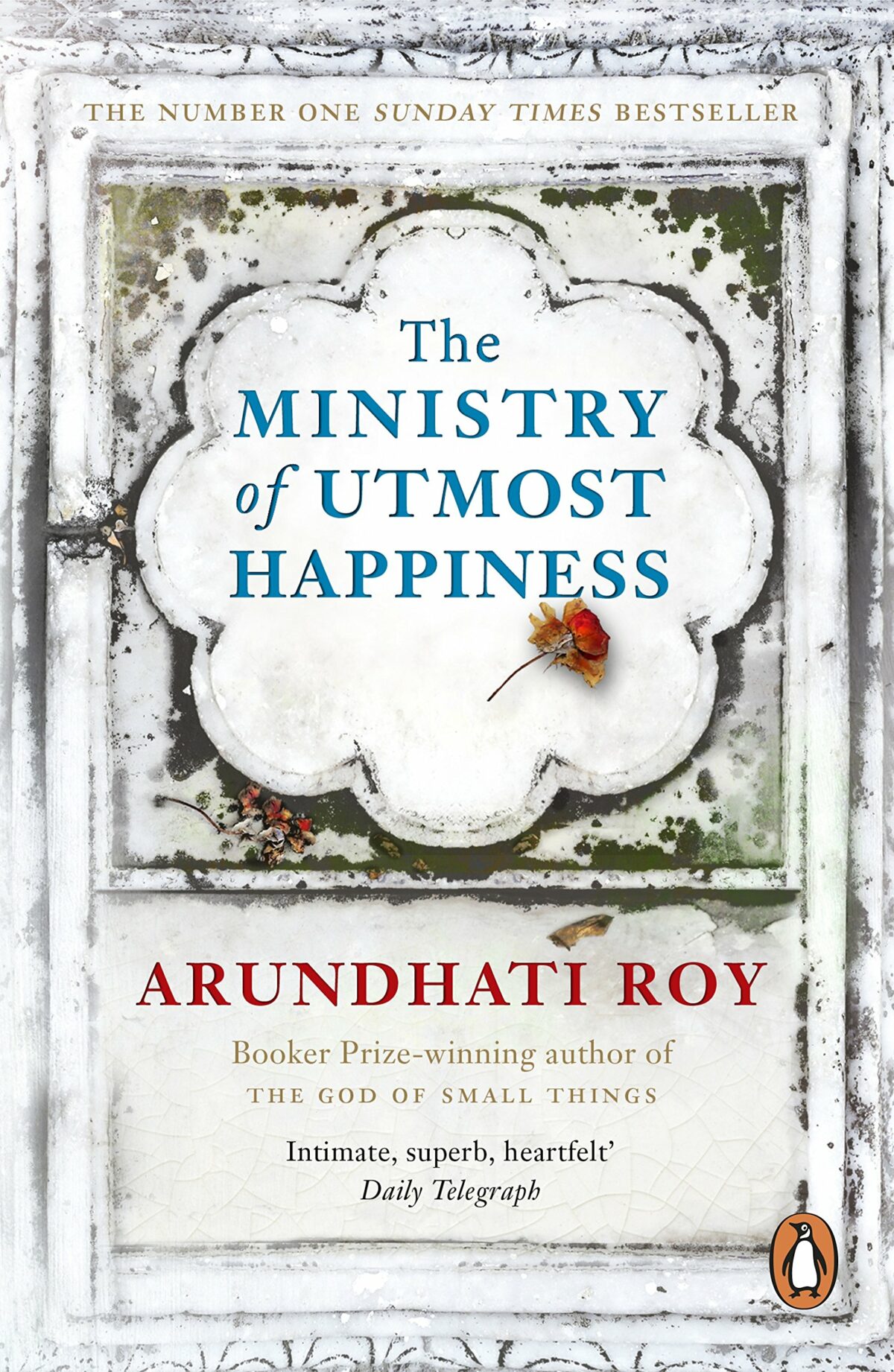
Ministry of Utmost Happiness

(2018) LONGLISTED FOR THE WOMEN’S PRIZE FOR FICTION 2018 AND THE MAN BOOKER PRIZE 2017 ‘A sprawling kaleidoscopic fable’ Guardian, Book of the Year * ‘A dazzling return to form’ Independent THE SUNDAY TIMES #1 BESTSELLER FROM THE BOOKER-WINNING AUTHOR OF THE GOD OF SMALL THINGS ‘An astonishing intimate epic. This is the novel one hoped Arundhati Roy would write about India’ Daily Telegraph ‘At magic hour; when the sun has gone but the light has not, armies of flying foxes unhinge themselves from the Banyan trees in the old graveyard and drift across the city like smoke . . .’ So begins The Ministry of Utmost Happiness, Arundhati Roy’s incredible follow-up to The God of Small Things. We meet Anjum, who used to be Aftab, who runs a guesthouse in an Old Delhi graveyard and gathers around her the lost, the broken and the cast out. We meet Tilo, an architect, who, although she is loved by three men, lives in a ‘country of her own skin’. When Tilo claims an abandoned baby as her own, her destiny and that of Anjum become entangled as a tale that sweeps across the years and a teeming continent takes flight . . .

The Bastard of Istanbul

(2015) One rainy afternoon in Istanbul, a woman walks into a doctor’s surgery. ‘I need to have an abortion’, she announces. She is nineteen years old and unmarried. What happens that afternoon will change her life. Twenty years later, Asya Kazanci lives with her extended family in Istanbul. Due to a mysterious family curse, all the Kaznci men die in their early forties, so it is a house of women, among them Asya’s beautiful, rebellious mother Zeliha, who runs a tattoo parlour; Banu, who has newly discovered herself as clairvoyant; and Feride, a hypochondriac obsessed with impending disaster. And when Asya’s Armenian-American cousin Armanoush comes to stay, long hidden family secrets connected with Turkey’s turbulent past begin to emerge

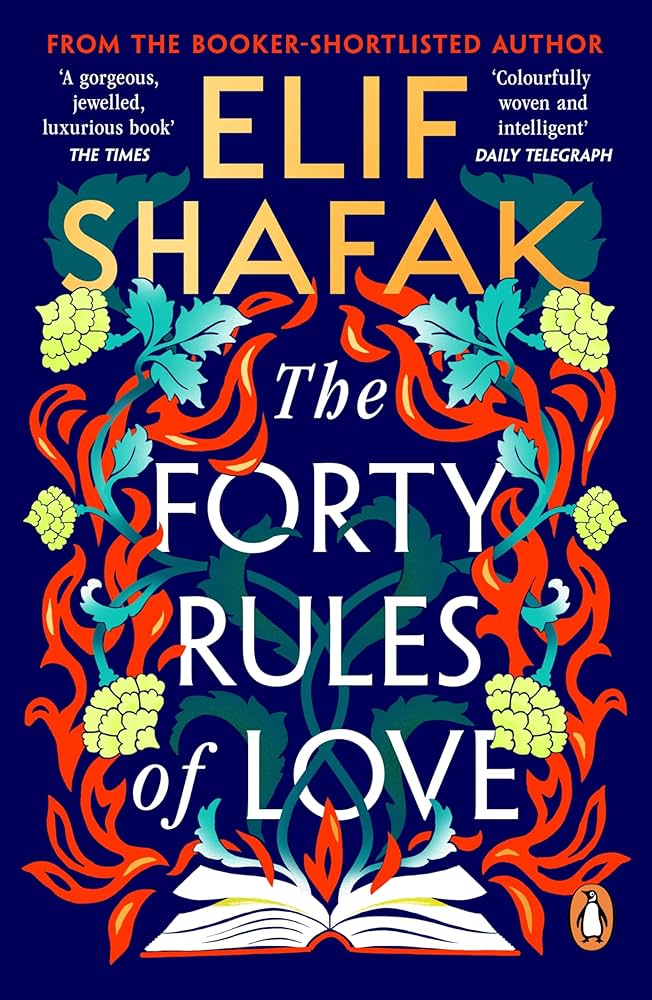
Forty Rules of Love

2015 Ella Rubinstein has a husband, three teenage children, and a pleasant home. Everything that should make her confident and fulfilled. Yet there is an emptiness at the heart of Ella’s life – an emptiness once filled by love. So when Ella reads a manuscript about the thirteenth-century Sufi poet Rumi and Shams of Tabriz, and his forty rules of life and love, she is shocked out of herself. Turning her back on her family she embarks on a journey to meet the mysterious author of this work. It is a quest infused with Sufi mysticism and verse, taking Ella and us into an exotic world where faith and love are heartbreakingly explored…

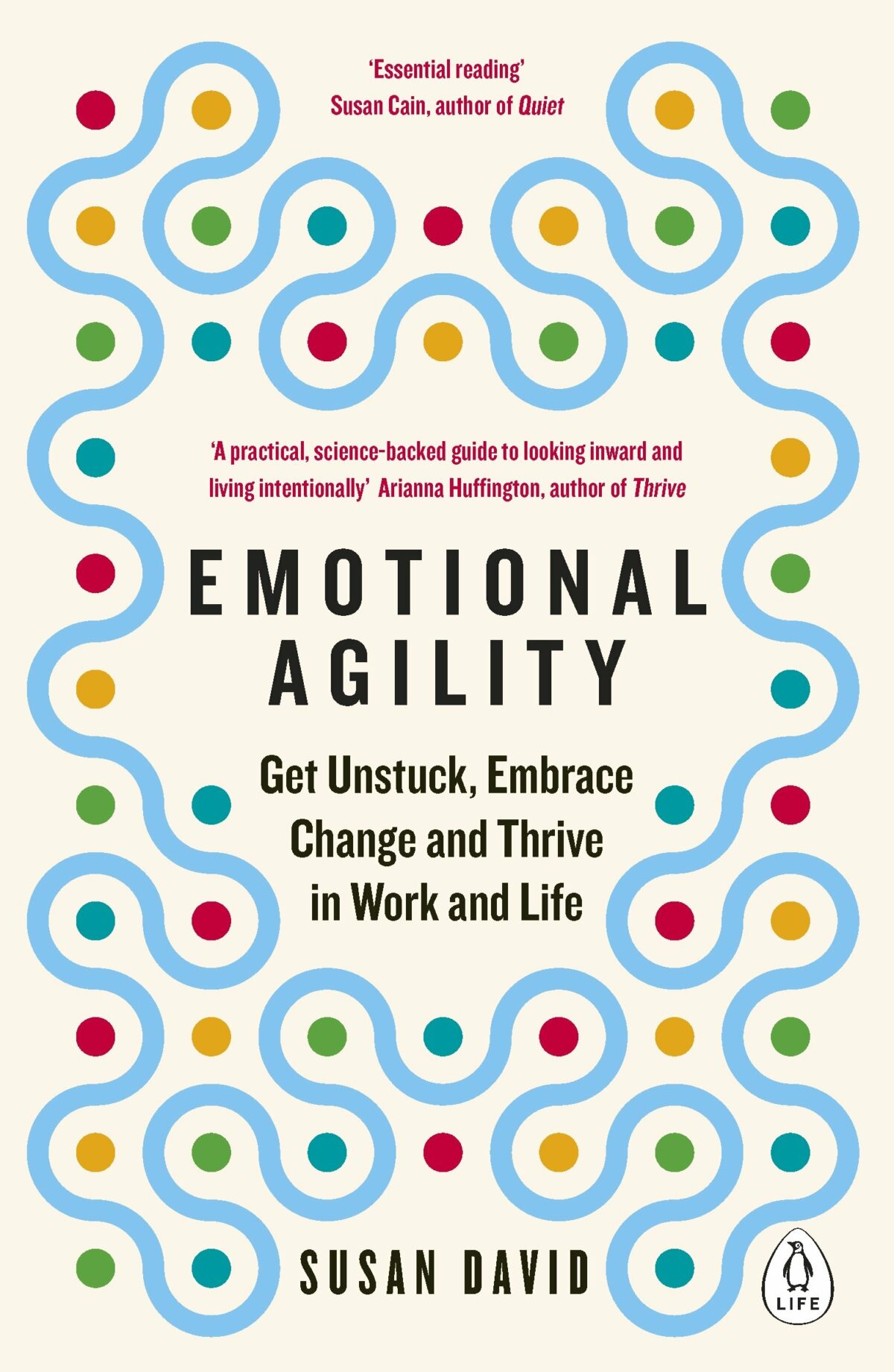
Emotional Agility

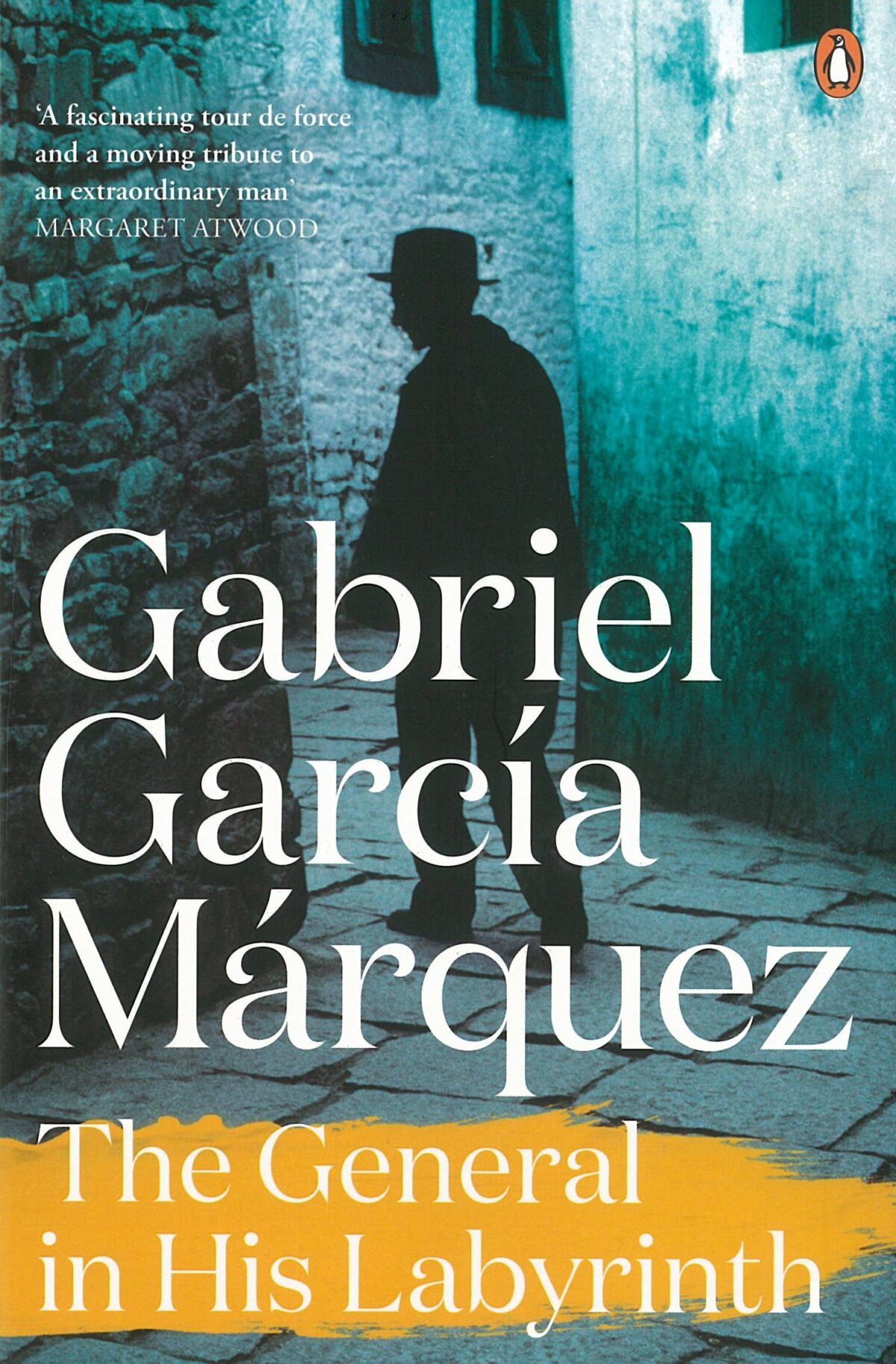
The General in His Labyrinth

The General in His Labyrinth (original Spanish title: El general en su laberinto) is a novel by the Colombian writer and Nobel laureate Gabriel García Márquez. It is a fictionalized account of the last days of Simón Bolívar, liberator and leader of Gran Colombia. First published in 1989, the book traces Bolívar’s final journey from Bogotá to the Caribbean coastline of Colombia in his attempt to leave South America for exile in Europe. In this dictator novel about a continental hero, “despair, sickness, and death inevitably win out over love, health, and life”. Breaking with the traditional heroic portrayal of Bolívar El Libertador, García Márquez depicts a pathetic protagonist, a prematurely aged man who is physically ill and mentally exhausted. The story explores the labyrinth of Bolívar’s life through the narrative of his memories.

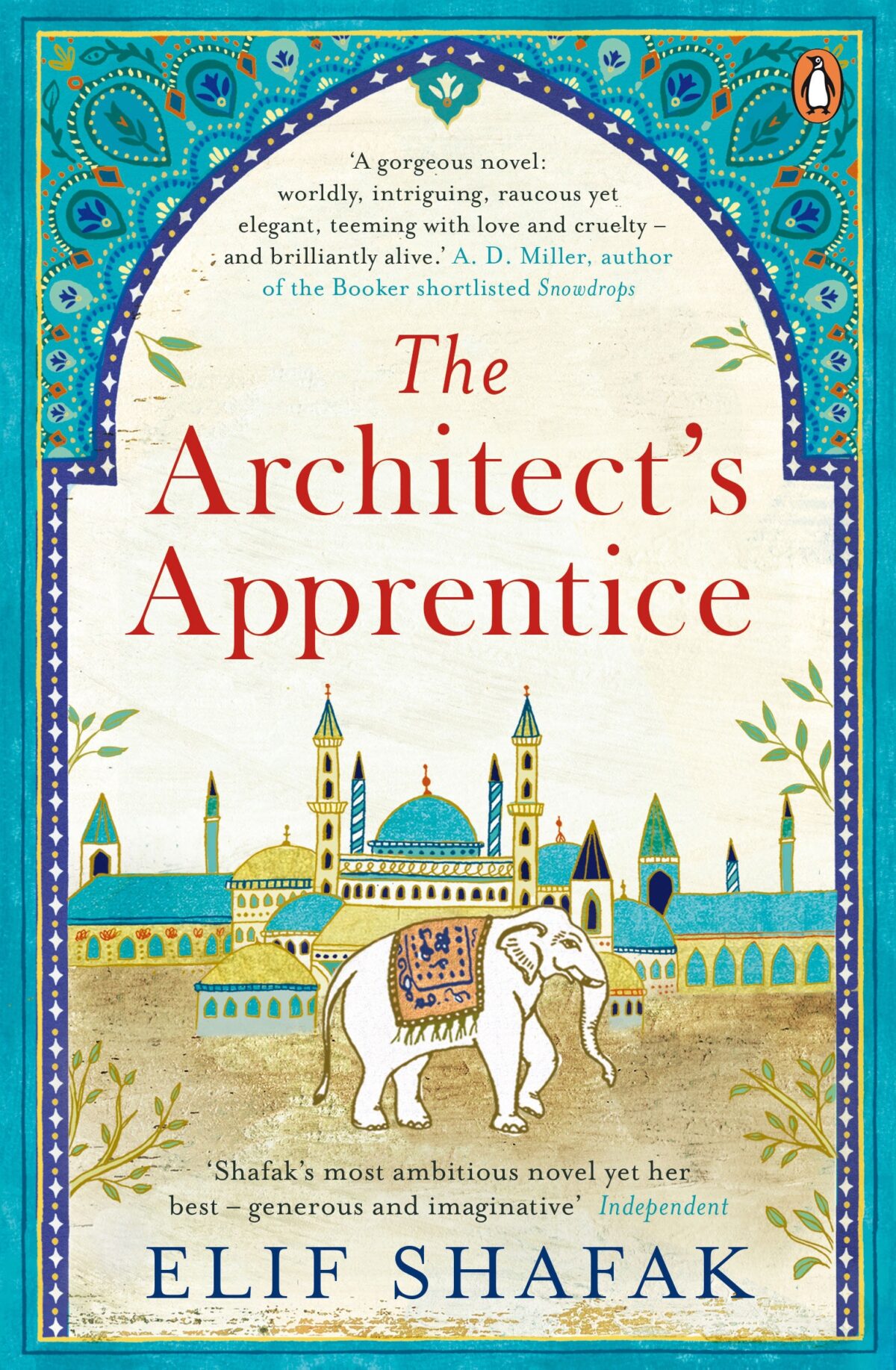
Architect’s Apprentice

(2015) Sixteenth century Istanbul: a stowaway arrives in the city bearing an extraordinary gift for the Sultan. The boy is utterly alone in a foreign land, with no worldly possessions to his name except Chota, a rare white elephant destined for the palace menagerie. So begins an epic adventure that will see young Jahan rise from lowly origins to the highest ranks of the Sultan’s court. Along the way he will meet deceitful courtiers and false friends, gypsies, animal tamers, and the beautiful, mischievous Princess Mihrimah. He will journey on Chota’s back to the furthest corners of the Sultan’s kingdom and back again. And one day he will catch the eye of the royal architect, Sinan, a chance encounter destined to change Jahan’s fortunes forever. Filled with all the colour of the Ottoman Empire, when Istanbul was the teeming centre of civilisation, The Architect’s Apprentice is a magical, sweeping tale of one boy and his elephant caught up in a world of wonder and danger

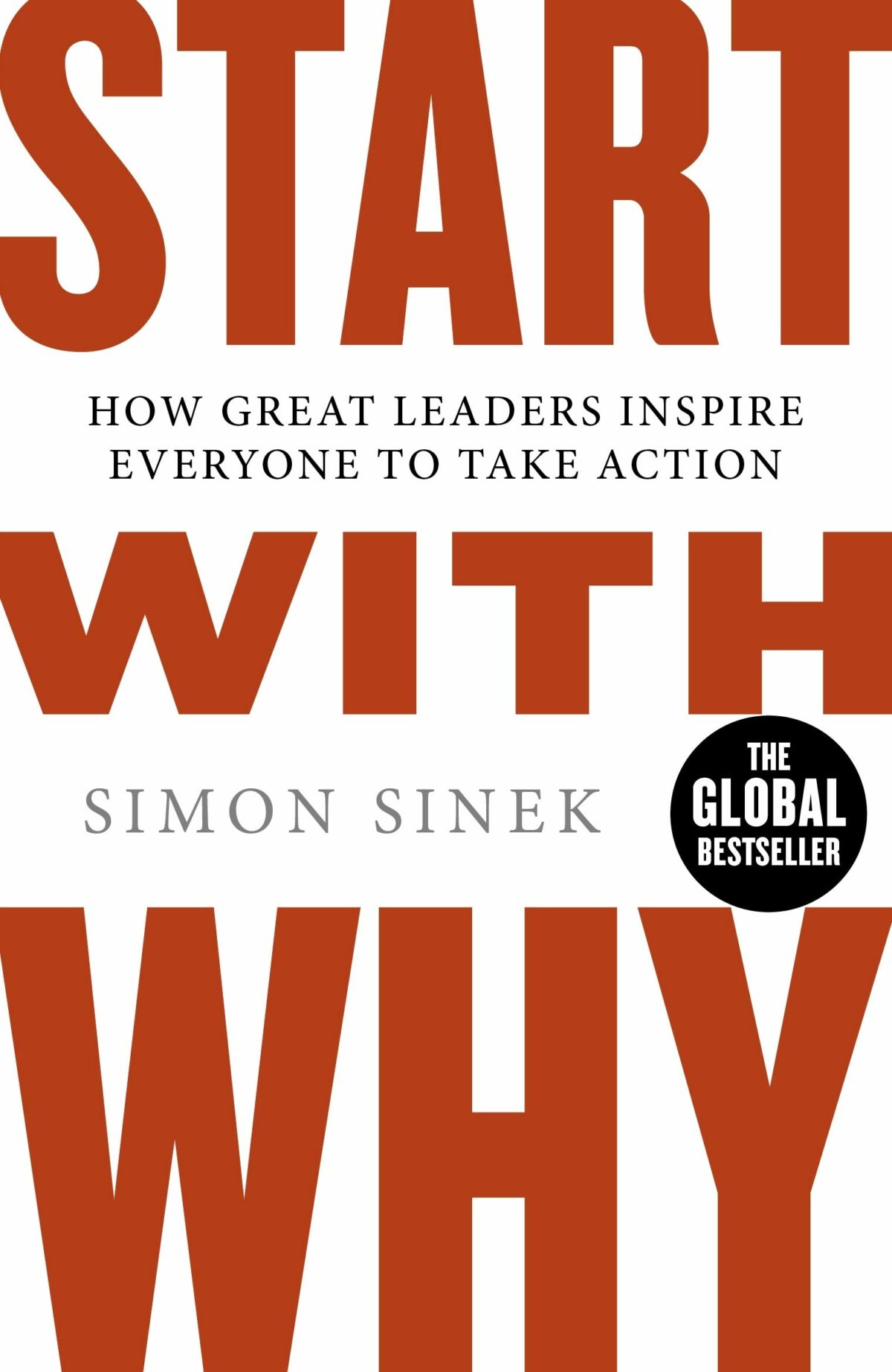
Start With Why: How Great Leaders Inspire Everyone To Take Action