Rising Strong

(2017) Social scientist Brene Brown has ignited a global conversation on courage, vulnerability, shame, and worthiness. Her pioneering work uncovered a profound truth: Vulnerability–the willingness to show up and be seen with no guarantee of outcome–is the only path to more love, belonging, creativity, and joy. But living a brave life is not always easy: We are, inevitably, going to stumble and fall. It is the rise from falling that Brown takes as her subject in Rising Strong. As a grounded theory researcher, Brown has listened as a range of people–from leaders in Fortune 500 companies and the military to artists, couples in long-term relationships, teachers, and parents–shared their stories of being brave, falling, and getting back up. She asked herself, What do these people with strong and loving relationships, leaders nurturing creativity, artists pushing innovation, and clergy walking with people through faith and mystery have in common? The answer was clear: They recognize the power of emotion and they’re not afraid to lean in to discomfort. Walking into our stories of hurt can feel dangerous. But the process of regaining our footing in the midst of struggle is where our courage is tested and our values are forged. Our stories of struggle can be big ones, like the loss of a job or the end of a relationship, or smaller ones, like a conflict with a friend or colleague. Regardless of magnitude or circumstance, the rising strong process is the same: We reckon with our emotions and get curious about what we’re feeling; we rumble with our stories until we get to a place of truth; and we live this process, every day, until it becomes a practice and creates nothing short of a revolution in our lives. Rising strong after a fall is how we cultivate wholeheartedness. It’s the process, Brown writes, that teaches us the most about who we are.
Antifragile

(2012) From the best-selling author of The Black Swan and one of the foremost thinkers of our time, Nassim Nicholas Taleb, a book on how some things actually benefit from disorder. In The Black Swan Taleb outlined a problem, and in Antifragile he offers a definitive solution: how to gain from disorder and chaos while being protected from fragilities and adverse events. For what Taleb calls the “antifragile” is actually beyond the robust, because it benefits from shocks, uncertainty, and stressors, just as human bones get stronger when subjected to stress and tension. The antifragile needs disorder in order to survive and flourish. Taleb stands uncertainty on its head, making it desirable, even necessary, and proposes that things be built in an antifragile manner. The antifragile is immune to prediction errors. Why is the city-state better than the nation-state, why is debt bad for you, and why is everything that is both modern and complicated bound to fail? The audiobook spans innovation by trial and error, health, biology, medicine, life decisions, politics, foreign policy, urban planning, war, personal finance, and economic systems. And throughout, in addition to the street wisdom of Fat Tony of Brooklyn, the voices and recipes of ancient wisdom, from Roman, Greek, Semitic, and medieval sources, are heard loud and clear. Extremely ambitious and multidisciplinary, Antifragile provides a blueprint for how to behave – and thrive – in a world we don’t understand, and which is too uncertain for us to even try to understand and predict. Erudite and witty, Taleb’s message is revolutionary: What is not antifragile will surely perish. Please note: The bleeps in the audio are intentional and are as written by the author. No material is censored, and no audio content is missing.

Miracle of Mindfulness

(1999) In this beautiful and lucid guide, Zen master Thich Nhat Hanh offers gentle anecdotes and practical exercise as a means of learning the skills of mindfulness–being awake and fully aware. From washing the dishes to answering the phone to peeling an orange, he reminds us that each moment holds within it an opportunity to work toward greater self-understanding and peacefulness

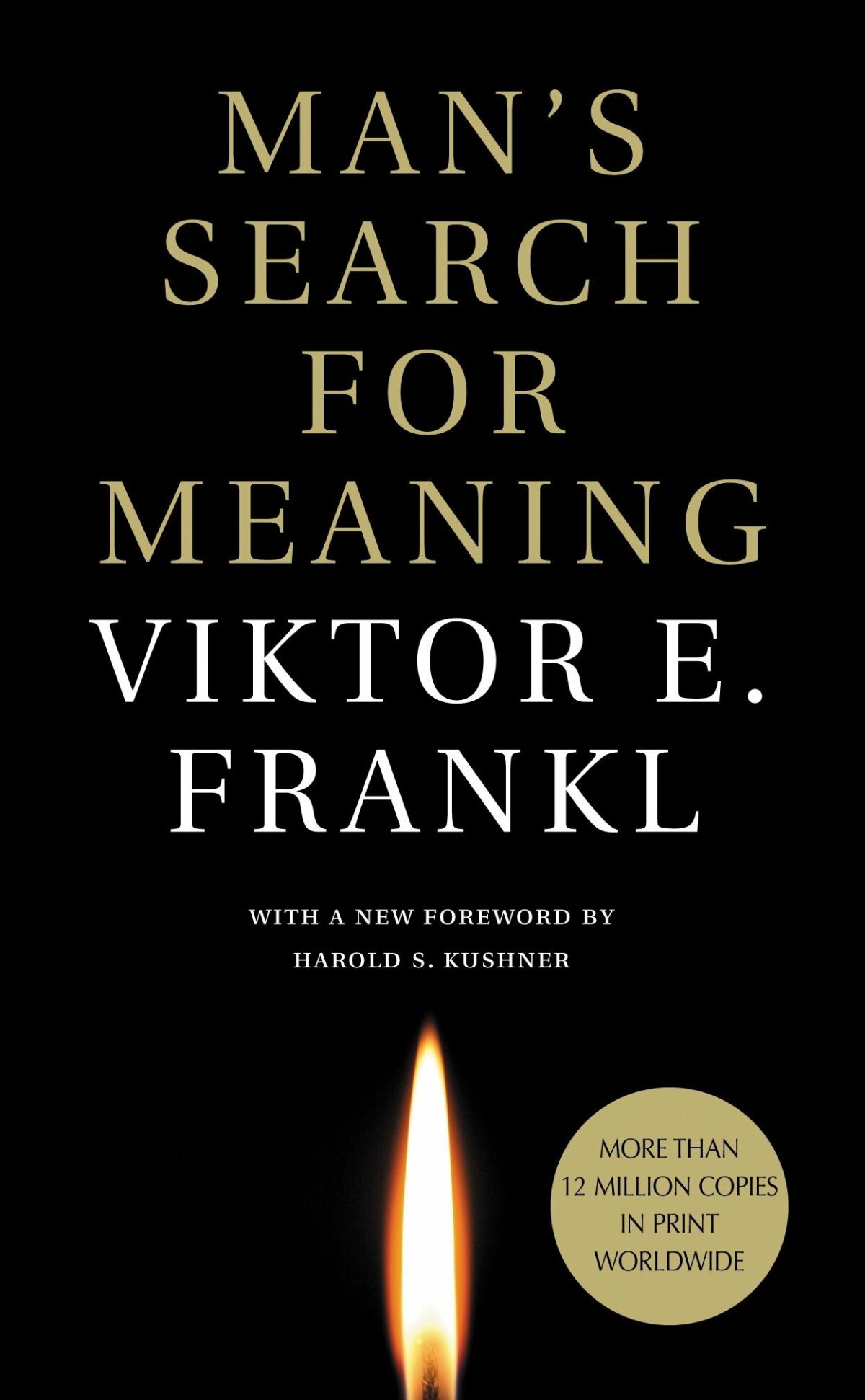
Man’s Search for Meaning

(2006) Psychiatrist Viktor Frankl’s memoir has riveted generations of readers with its descriptions of life in Nazi death camps and its lessons for spiritual survival. Between 1942 and 1945 Frankl labored in four different camps, including Auschwitz, while his parents, brother, and pregnant wife perished. Based on his own experience and the experiences of those he treated in his practice, Frankl argues that we cannot avoid suffering but we can choose how to cope with it, find meaning in it, and move forward with renewed purpose. Frankl’s theory—known as logotherapy, from the Greek word logos (“meaning”)—holds that our primary drive in life is not pleasure, as Freud maintained, but the discovery and pursuit of what we personally find meaningful. At the time of Frankl’s death in 1997, Man’s Search for Meaning had sold more than 10 million copies in twenty-four languages. A 1991 reader survey by the Library of Congress and the Book-of-the-Month Club that asked readers to name a “book that made a difference in your life” found Man’s Search for Meaning among the ten most influential books in America. Born in Vienna in 1905 Viktor E. Frankl earned an M.D. and a Ph.D. from the University of Vienna. He published more than thirty books on theoretical and clinical psychology and served as a visiting professor and lecturer at Harvard, Stanford, and elsewhere. In 1977 a fellow survivor, Joseph Fabry, founded the Viktor Frankl Institute of Logotherapy. Frankl died in 1997. Harold S. Kushner is rabbi emeritus at Temple Israel in Natick, Massachusetts, and the author of several best-selling books, including When Bad Things Happen to Good People. William J. Winslade is a philosopher, lawyer, and psychoanalyst at the University of Texas Medical School in Galveston.

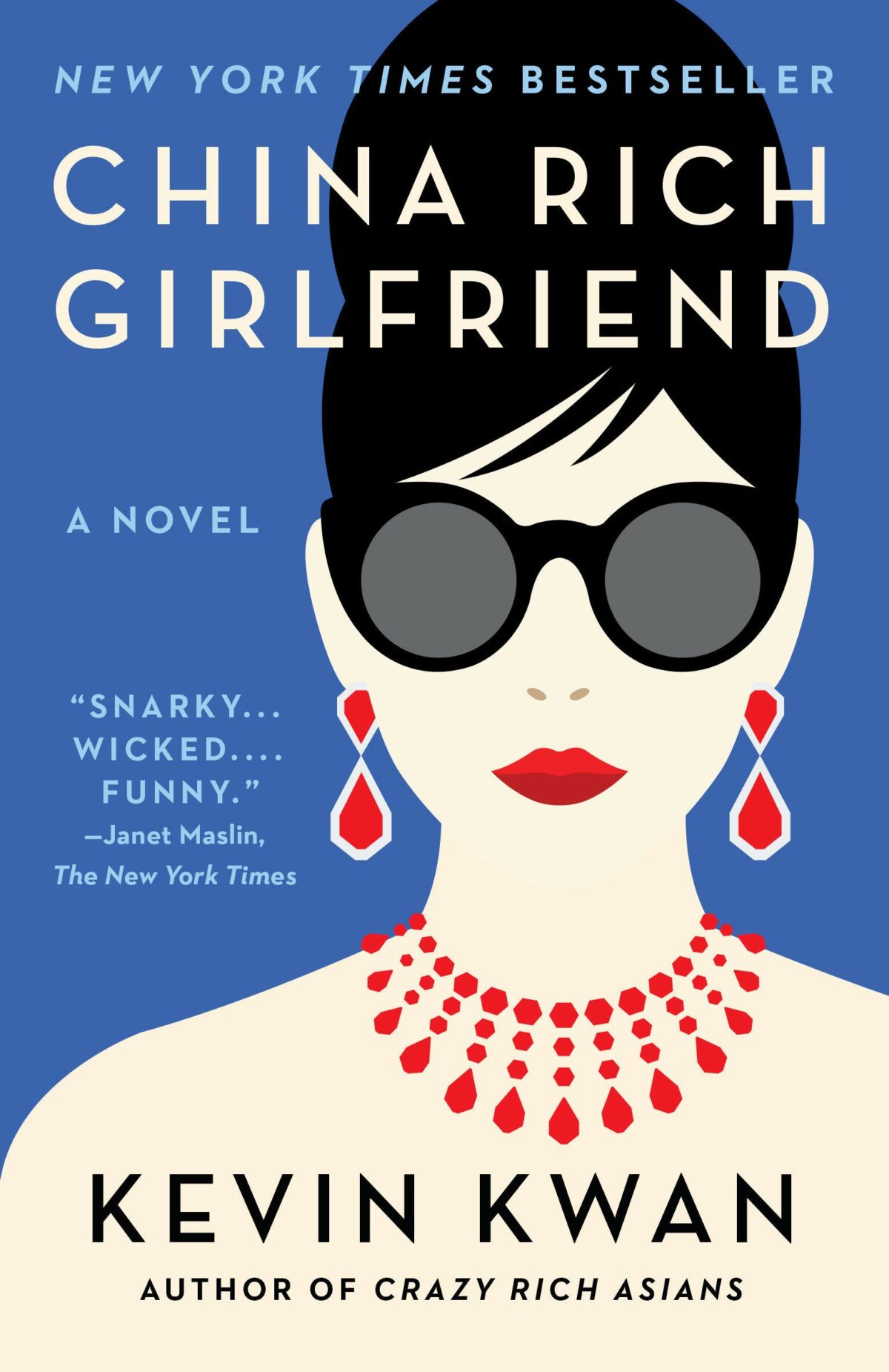
China Rich Girlfriend

(2016) It’s the eve of Rachel Chu’s wedding, and she should be over the moon. She has a flawless Asscher-cut diamond, a wedding dress she loves, and a fiancé willing to thwart his meddling relatives and give up one of the biggest fortunes in Asia in order to marry her. Still, Rachel mourns the fact that her birthfather, a man she never knew, won’t be there to walk her down the aisle. Then a chance accident reveals his identity. Suddenly, Rachel is drawn into a dizzying world of Shanghai splendor, a world where people attend church in a penthouse, where exotic cars race down the boulevard, and where people aren’t just crazy rich … they’re China rich.

Crusades through Arab Eyes

(1989) The author has combed the works of contemporary Arab chronicles of the Crusades, eyewitnesses and often participants. He retells their story and offers insights into the historical forces that shape Arab and Islamic consciousness today

Light on Yoga

(1996) The definitive guide to the philosophy and practice of Yoga–the ancient healing discipline for body and mind–by its greatest living teacher. Light on Yoga provides complete descriptions and illustrations of all the positions and breathing exercises. Features a foreword by Yehudi Menuhin. Illustrations throughout.

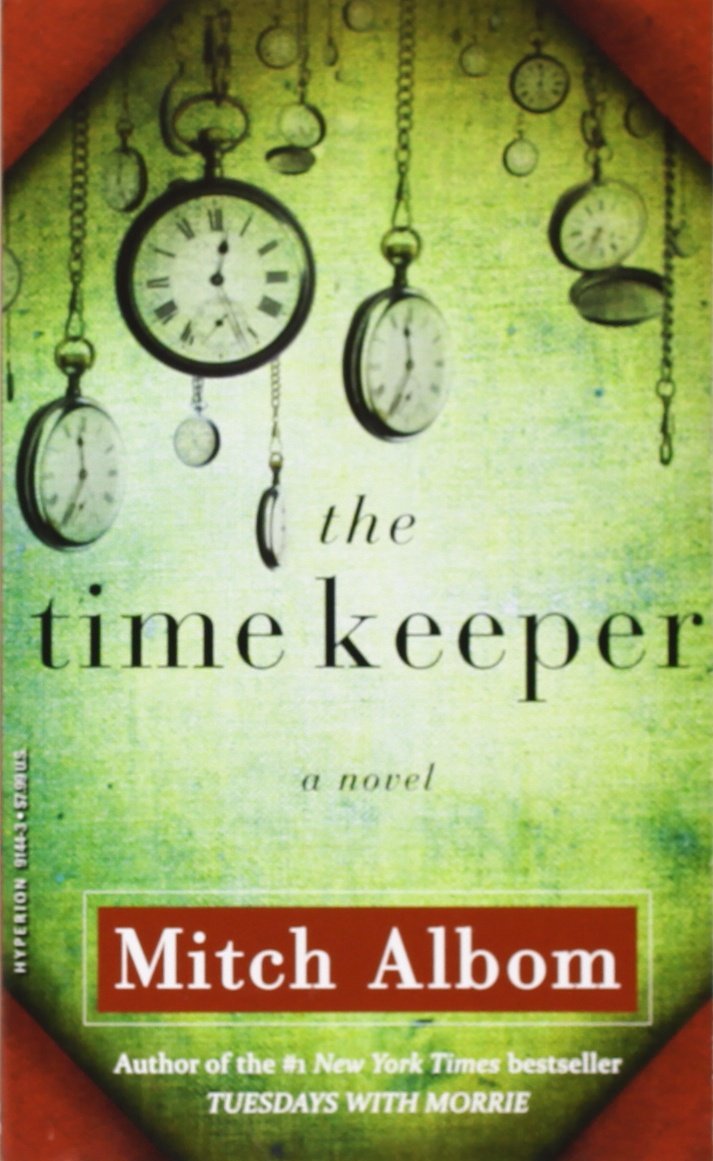
Time Keeper

(2013) Banished for centuries, as punishment for trying to measure time, the inventor of the world’s first clock is finally granted his freedom, along with a mission: a chance to redeem himself by teaching two people the true meaning of time. He returns to our world and embarks on a journey with two unlikely partners: a teenage girl who is about to give up on life and a wealthy, ageing businessman who wants to live for ever. To save himself, he must save them both. Gripping, and filled with deep human truth, this unforgettable story will inspire readers everywhere to reconsider their own notions of time and just how precious it truly is.

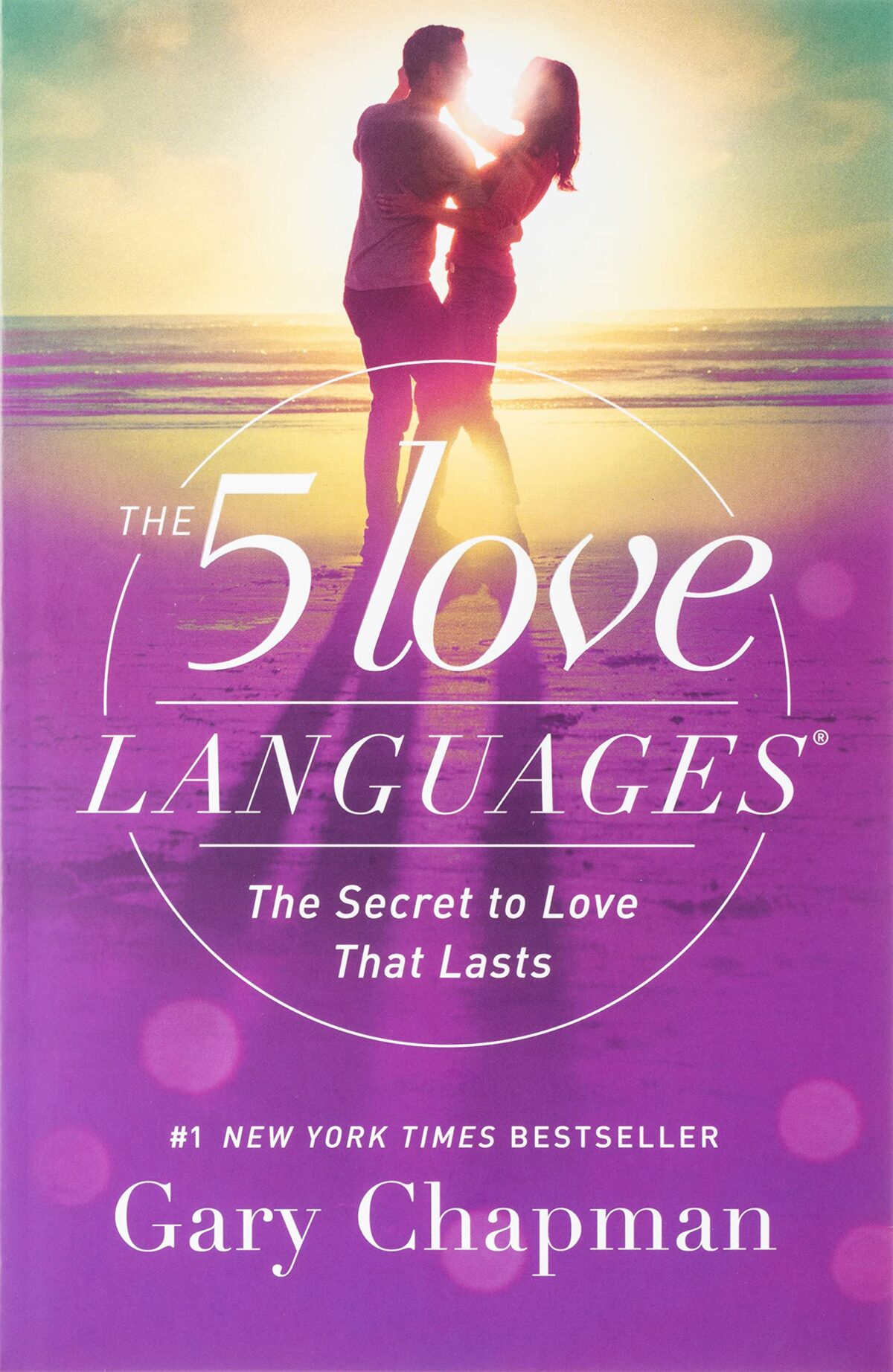
5 Love Languages

(2015) Over 12 million copies sold! A New York Times bestseller for 10 years running. Falling in love is easy. Staying in love—that’s the challenge. How can you keep your relationship fresh and growing amid the demands, conflicts, and just plain boredom of everyday life? In the #1 New York Times international bestseller The 5 Love Languages, you’ll discover the secret that has transformed millions of relationships worldwide. Whether your relationship is flourishing or failing, Dr. Gary Chapman’s proven approach to showing and receiving love will help you experience deeper and richer levels of intimacy with your partner—starting today. The 5 Love Languages is as practical as it is insightful. Updated to reflect the complexities of relationships today, this new edition reveals intrinsic truths and applies relevant, actionable wisdom in ways that work. Includes the Couple’s Personal Profile assessment so you can discover your love language and that of your loved one.

When Panic Attacks

Are you plagued by fears, phobias, or panic attacks? Do you toss and turn at night with a knot in your stomach, worrying about your job, your family, work, your health, or relationships? Do you suffer from crippling shyness, obsessive doubts, or feelings of insecurity? What you may not realize is that these fears are almost never based on reality. Anxiety is one of the world’s oldest cons. When you’re anxious, you’re actually fooling yourself. You are telling yourself things that simply aren’t true. See if you can recognize yourself in any of these distortions: All-or-Nothing Thinking: “My mind will go blank when I give my presentation at work, and everyone will think I’m an idiot.” Fortune Telling: “I just know I’ll freeze up and blow it when I take my test.” Mind Reading: “Everyone at this party can see how nervous I am.” Magnification: “Flying is so dangerous. I think this plane is going to crash!” Should Statements: “I shouldn’t be so anxious and insecure. Other people don’t feel this way.” Emotional Reasoning: “I feel like I’m on the verge of cracking up!” Self-Blame: “What’s wrong with me? I’m such a loser!” Mental Filter: “Why can’t I get anything done? My life seems like one long procrastination.” Now imagine what it be like to live a life that’s free of worries and self-doubt; to go to sleep at night feeling peaceful and relaxed; to overcome your shyness and have fun with other people; to give dynamic presentations without worrying yourself sick ahead of time; to enjoy greater creativity, productivity and self-confidence. Does that sound impossible? The truth is you can defeat your fears. In When Panic Attacks, Dr. Burns takes you by the hand and shows you how to overcome every conceivable kind of anxiety. In fact, you will learn how to use more than forty simple, effective techniques, and the moment you put the lie to the distorted thoughts that plague you, your fears will immediately disappear. Dr. Burns also shares the latest research on the drugs commonly prescribed for anxiety and depression and explains why they may sometimes do more harm than good. This is not pop psychology but proven, fast-acting techniques that have been shown to be more effective than medications. When Panic Attacks is an indispensable handbook for anyone who’s worried sick and sick of worrying